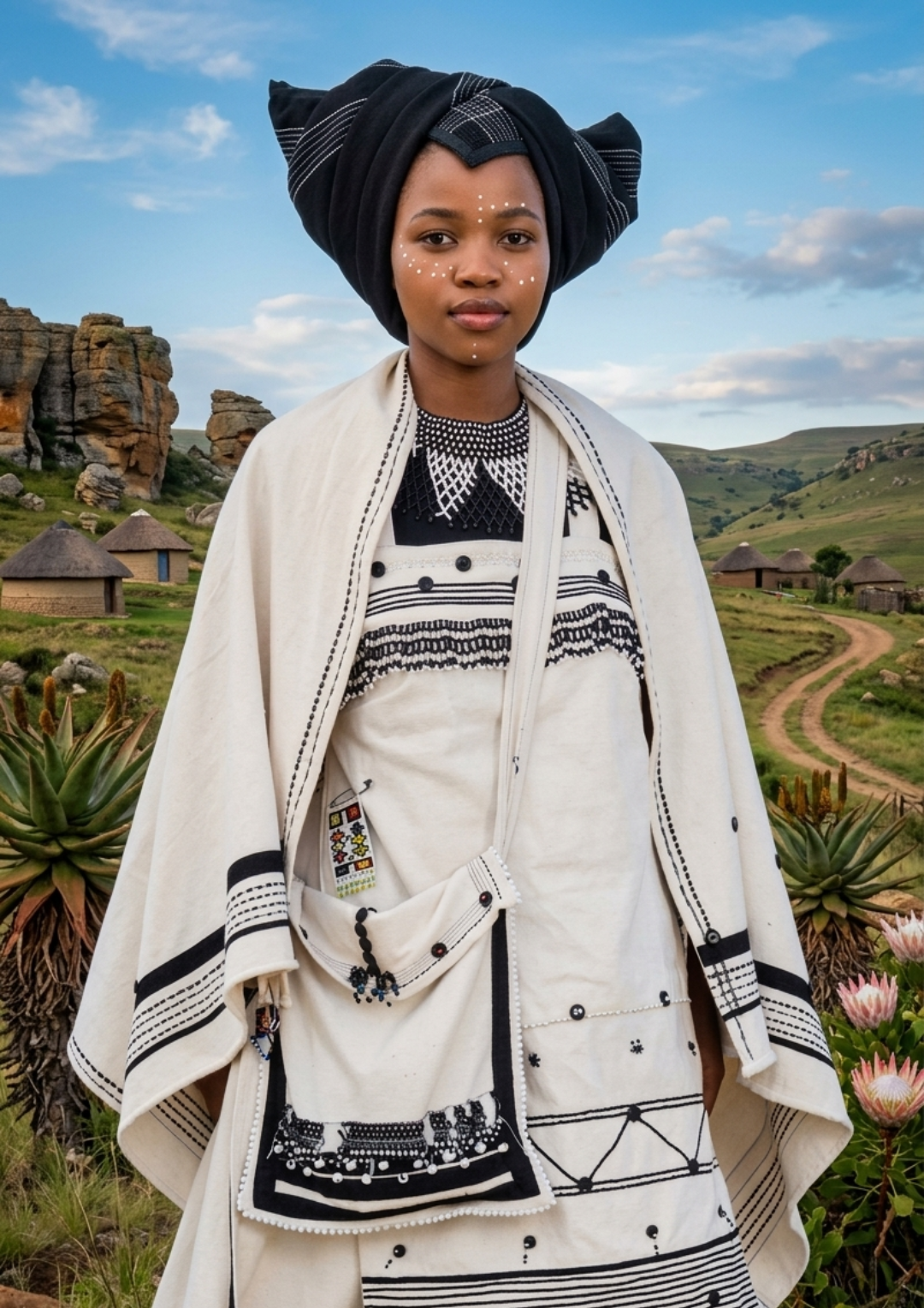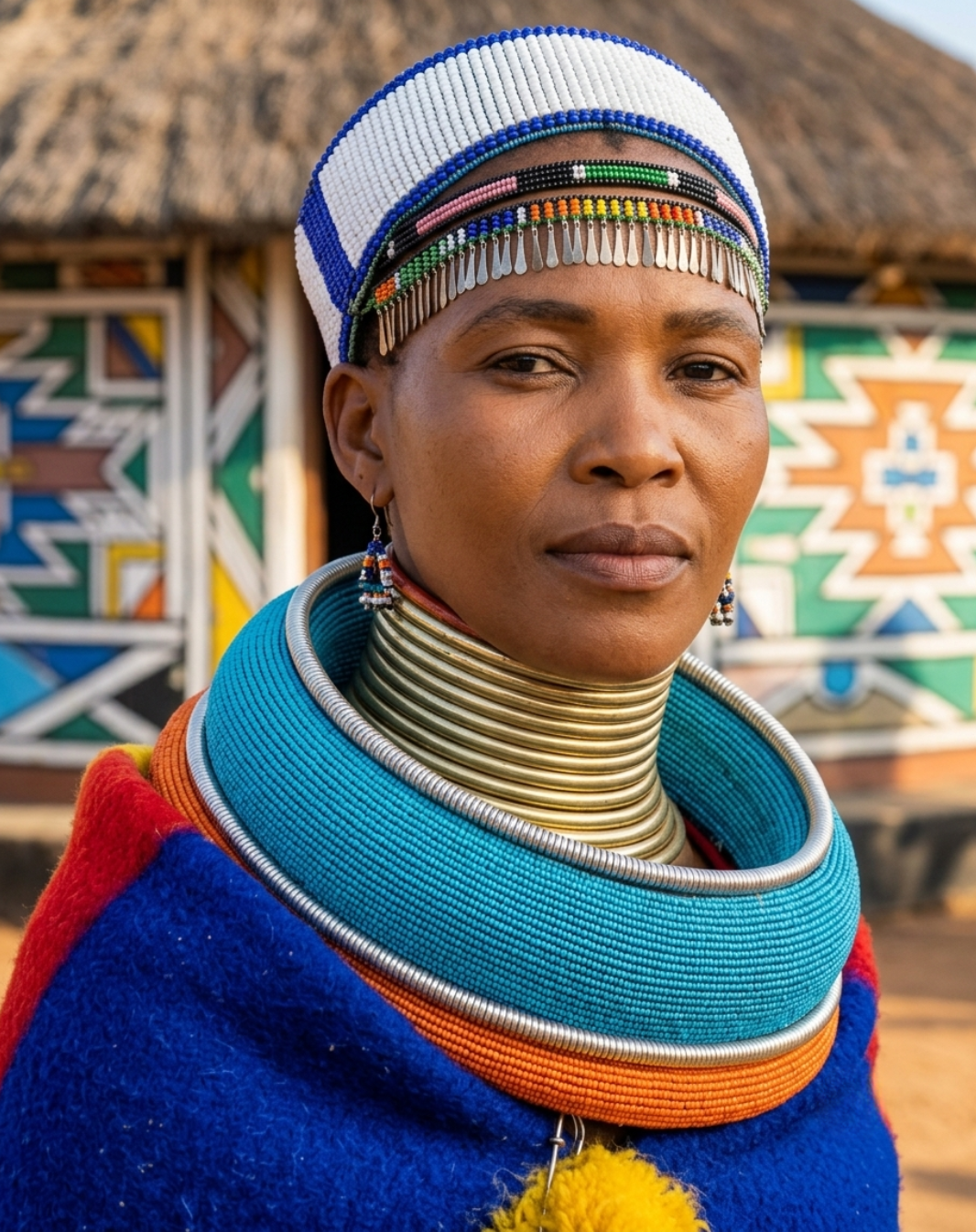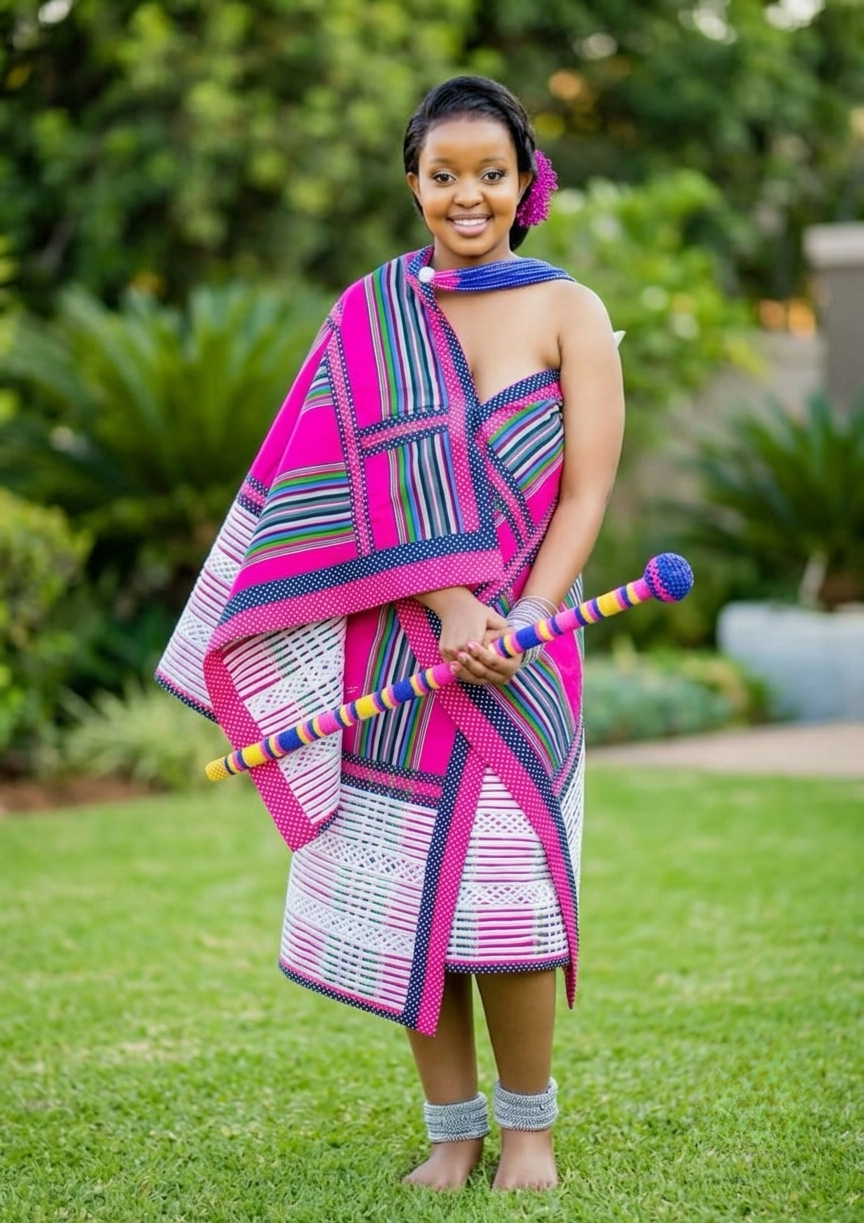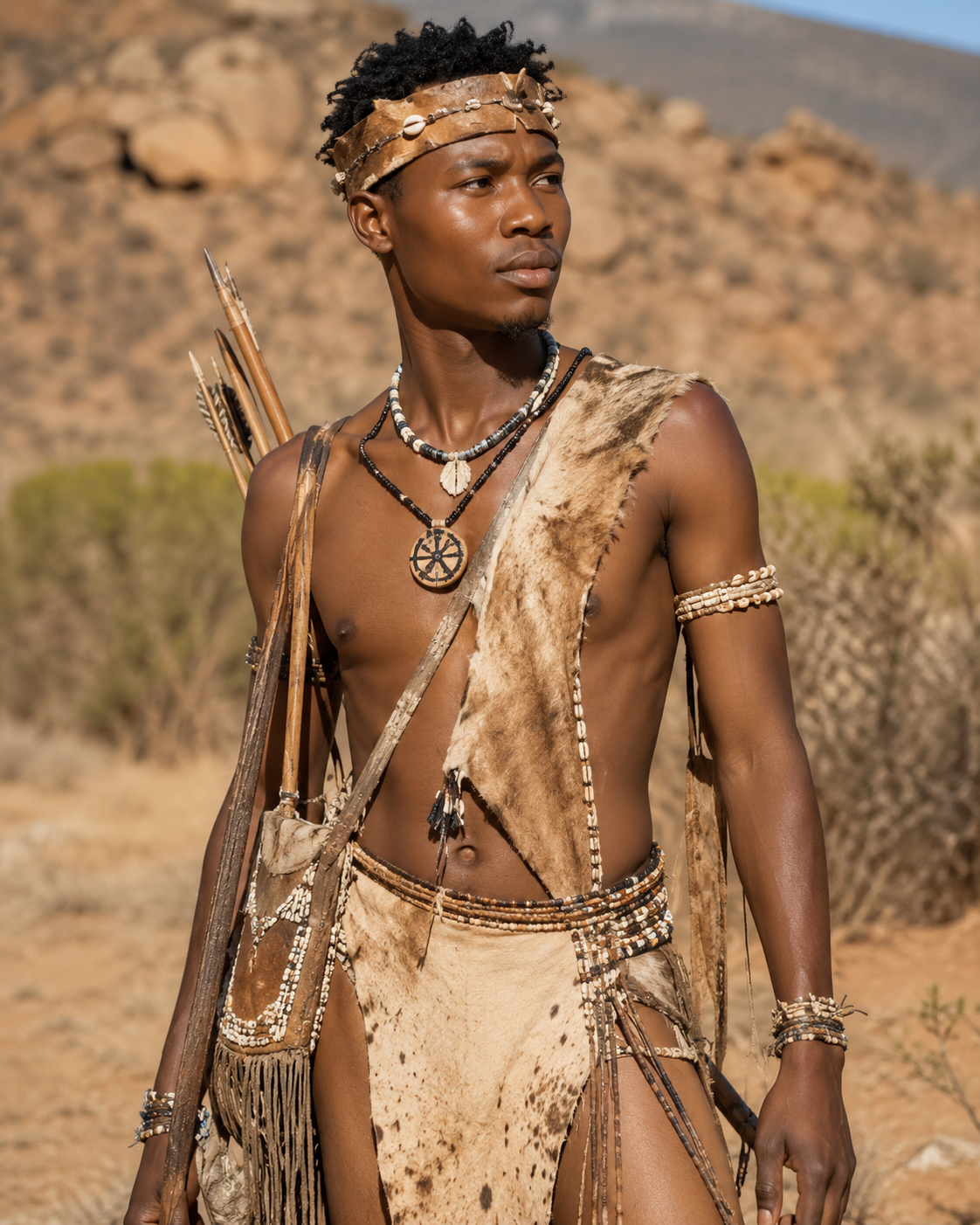
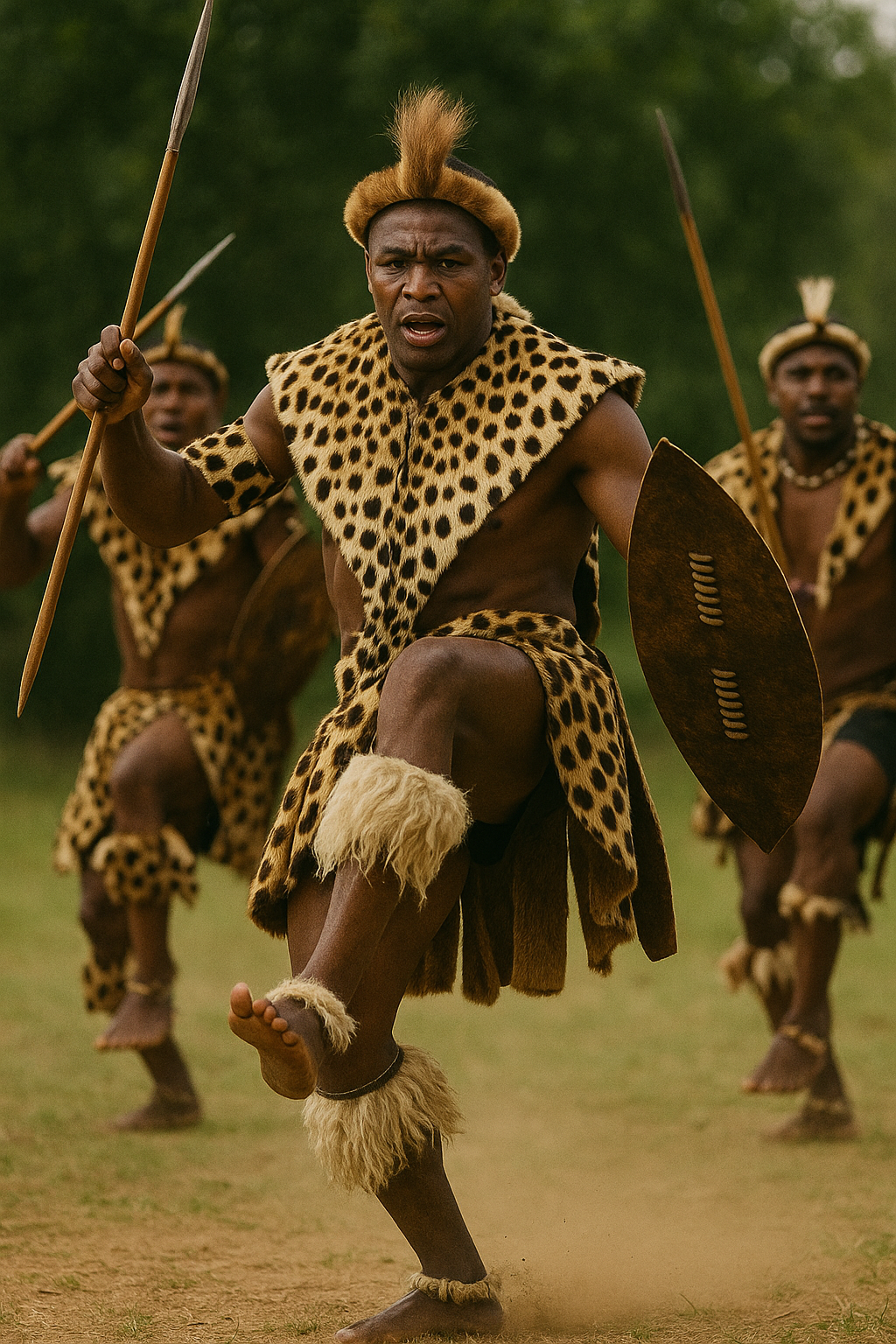
amaZulu
People of the Heavens
Also known as
Zulu
Language
isiZulu
Population
~12 million
Say hello
Sawubona
I see you
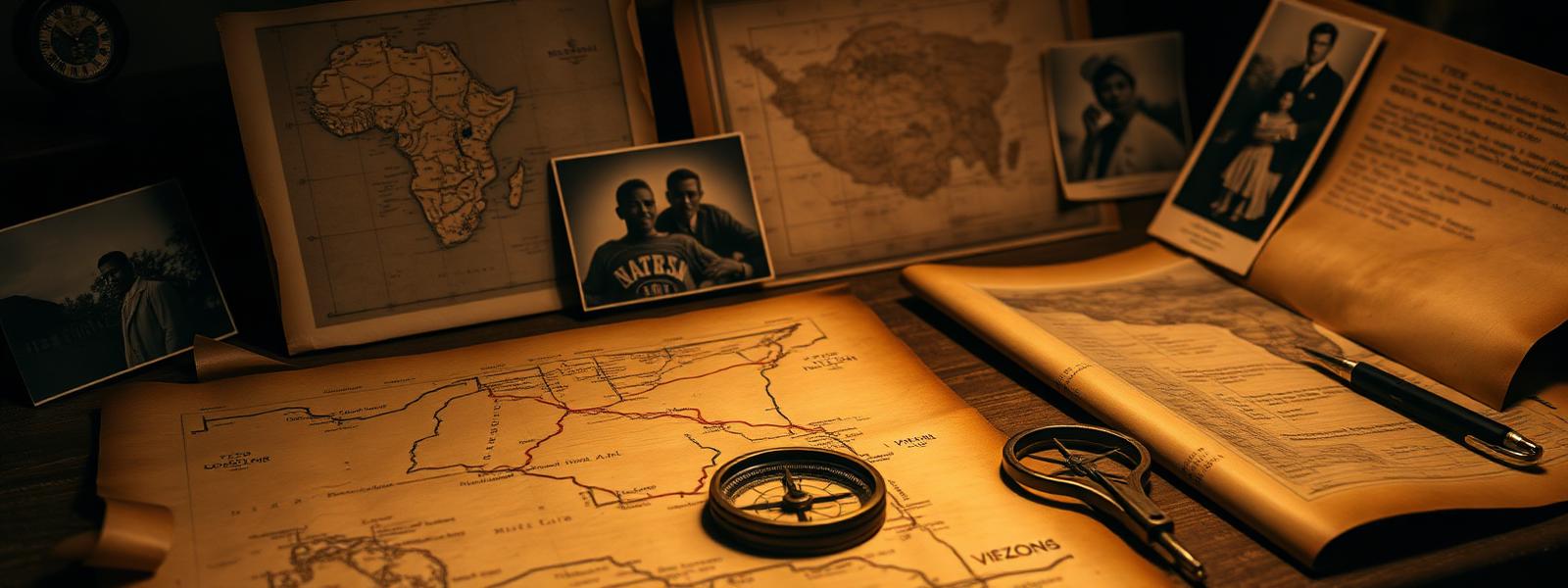
History
A story worth telling
Image credit: Historical archive still life — My Heritage App editorial · AI-generated illustration · CC BY 4.0
The amaZulu rose to prominence in the early 19th century under King Shaka, who transformed a small chiefdom into a formidable kingdom through military innovation and the iklwa short spear.
The Anglo-Zulu War of 1879 — famous for the Battle of Isandlwana — remains one of the most studied campaigns in African history.
Today, the Zulu monarchy endures as a cultural institution, with the reigning king serving as custodian of tradition in KwaZulu-Natal.

Timeline
Key moments
Image credit: Rock art to modern landscape — My Heritage App editorial · AI-generated illustration · CC BY 4.0
c. 1709
Zulu clan founded by chief Zulu kaMalandela in the Mfolozi valley.
1816–1828
King Shaka builds a centralised kingdom and revolutionises Nguni warfare.
1879
Anglo-Zulu War; Zulu impis defeat the British at Isandlwana in January.
1994
KwaZulu bantustan reintegrated into a democratic South Africa as KwaZulu-Natal.
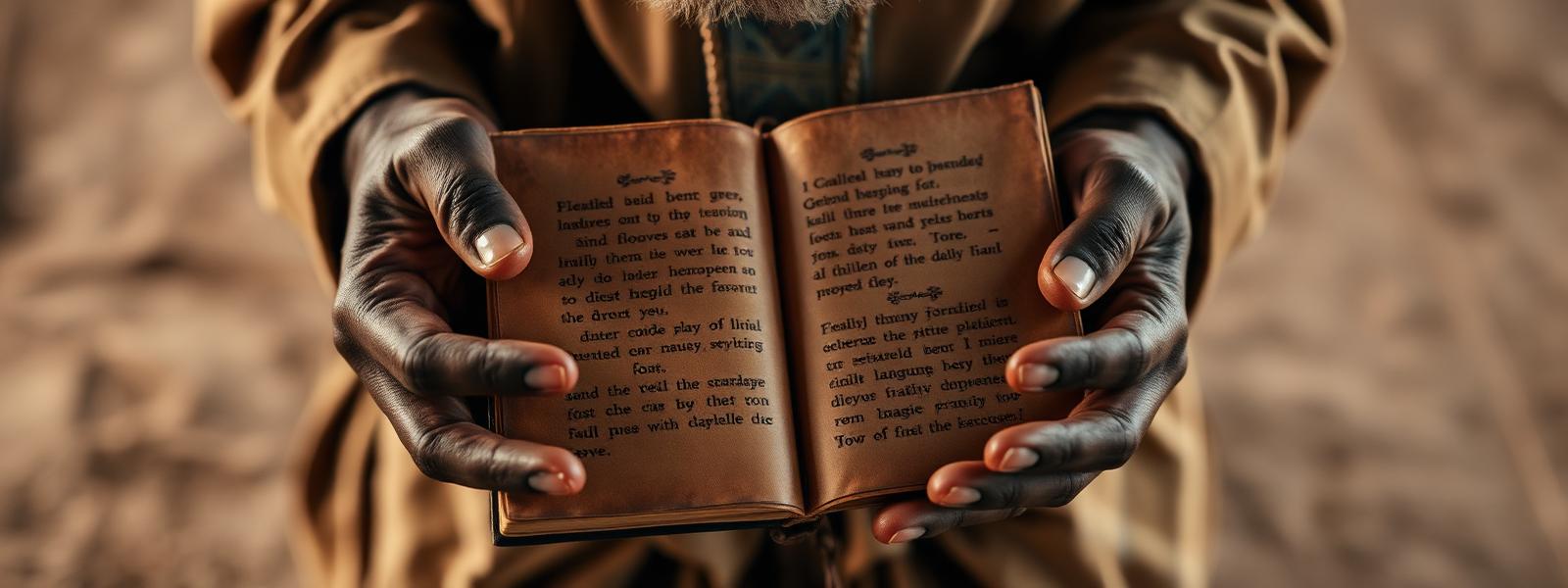
Language
isiZulu
Image credit: Storyteller's hands and script — My Heritage App editorial · AI-generated illustration · CC BY 4.0
isiZulu is South Africa's most widely spoken home language, a tonal Nguni language rich in click consonants borrowed from Khoisan neighbours.
Sawubona
Hello (I see you)
Ngiyabonga
Thank you
Unjani?
How are you?
Hamba kahle
Go well (goodbye)
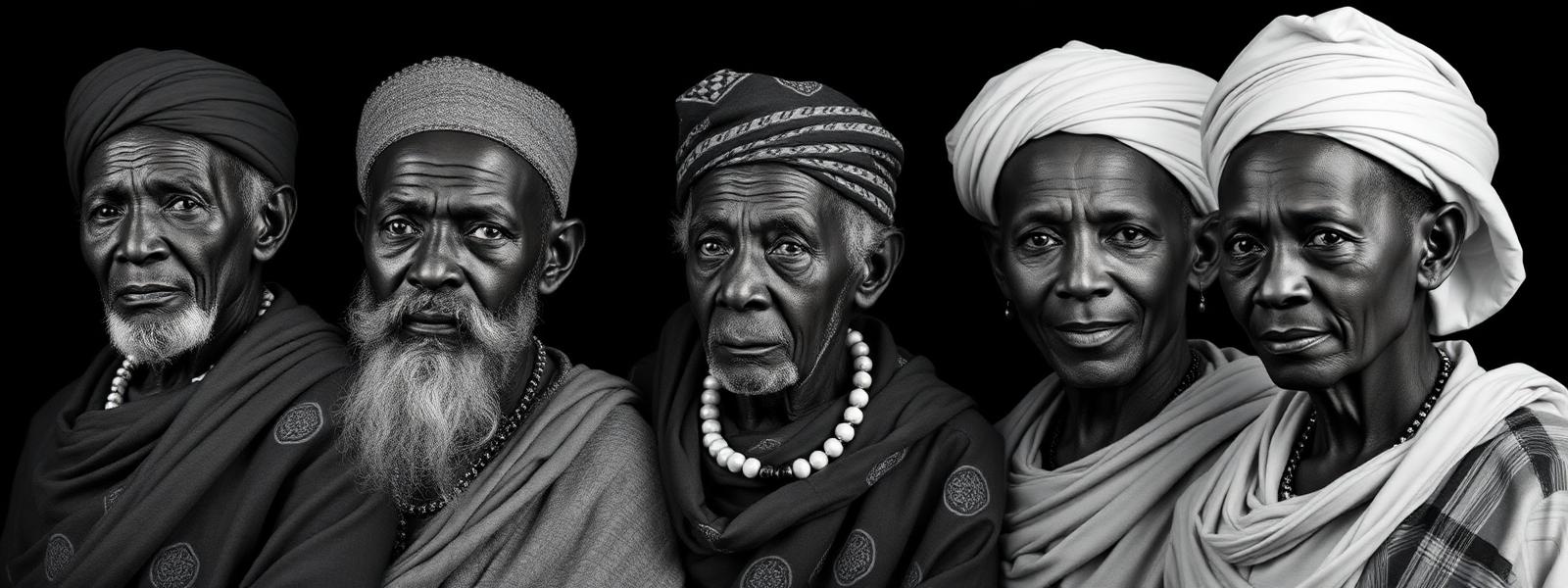
Notable figures
Voices that shaped a people
Image credit: Portrait montage of elders — My Heritage App editorial · AI-generated illustration · CC BY 4.0
King Shaka kaSenzangakhona
Founder-king of the modern Zulu nation
King Cetshwayo kaMpande
Led the Zulu during the 1879 war with Britain
Ladysmith Black Mambazo
Grammy-winning isicathamiya choral group
Princess Magogo kaDinuzulu
20th-century composer and ugubhu bow virtuoso
Food
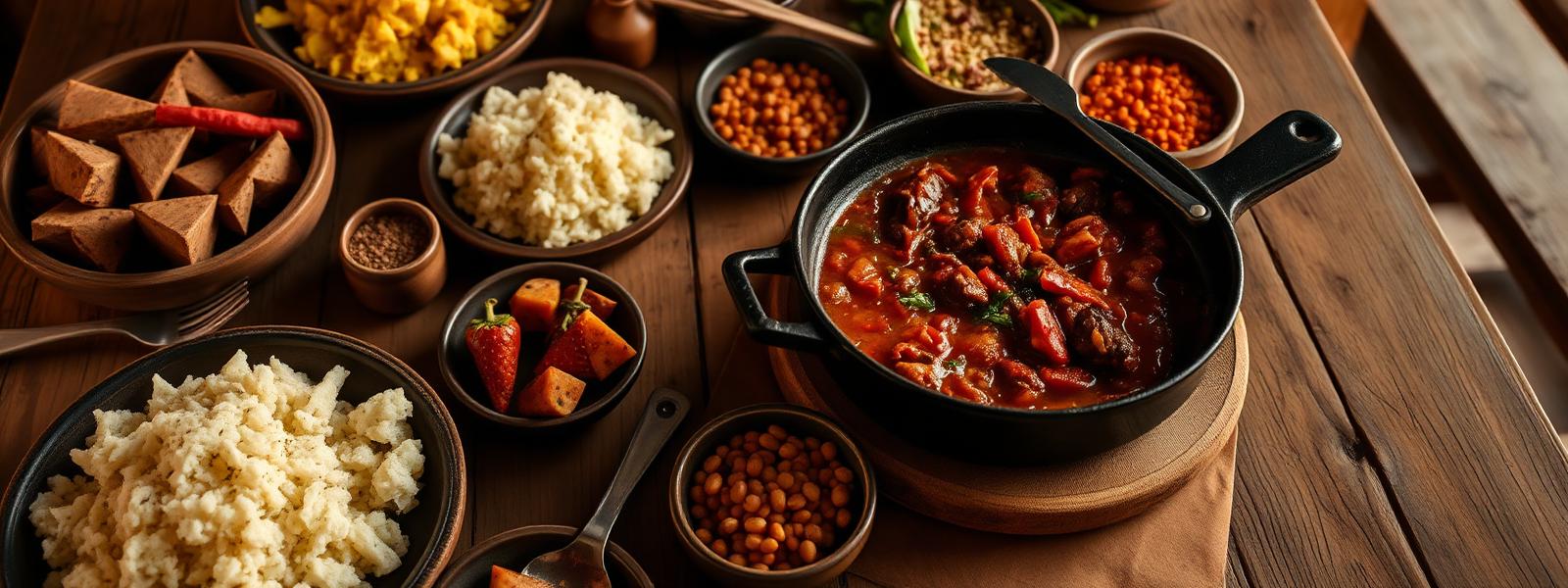
From the family pot
Image credit: South African family table — My Heritage App editorial · AI-generated illustration · CC BY 4.0
Uphuthu
Crumbly maize meal, traditionally eaten with amasi (fermented milk).
Isitambu
Slow-cooked samp and beans, a staple of family gatherings.
Ujeqe
Steamed bread served with hearty stews.
Arts & Traditions
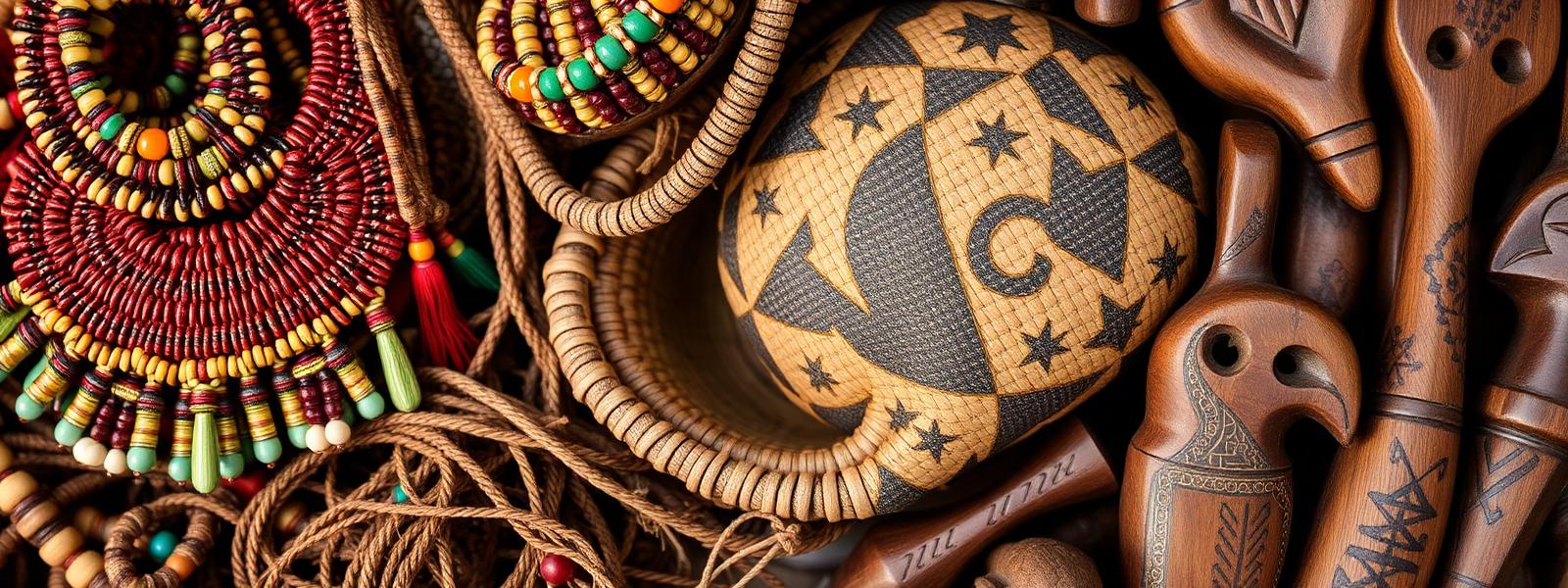
Made by hand, kept by heart
Image credit: Beadwork, baskets and carvings — My Heritage App editorial · AI-generated illustration · CC BY 4.0
Beadwork
Intricate love-letter beadwork encodes messages through colour and pattern.
Ingoma dance
High-kicking warrior dance performed at weddings and ceremonies.
Izibongo
Praise poetry recited by imbongi to honour chiefs and ancestors.
Ceremonies
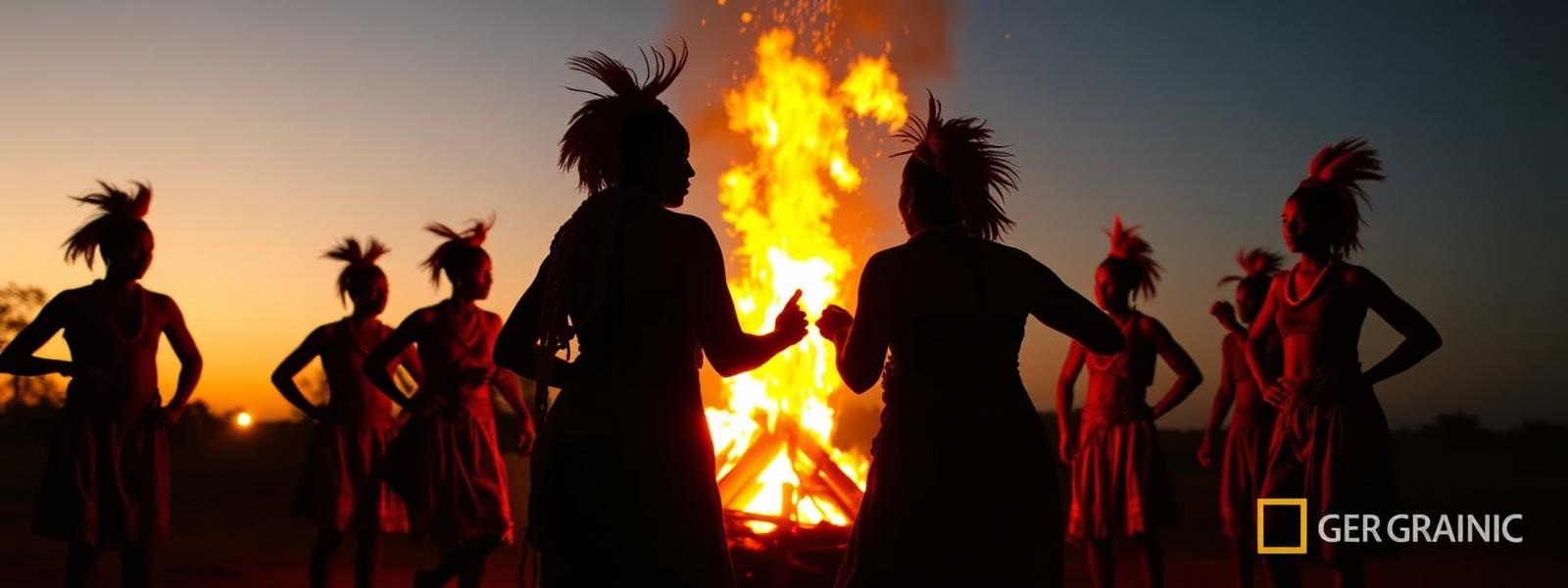
Rites and rituals
Image credit: Ceremonial dancers at dusk — My Heritage App editorial · AI-generated illustration · CC BY 4.0
Umkhosi Womhlanga
Annual Reed Dance at Nongoma where young women present reeds to the king to celebrate purity and unity.
Umemulo
Coming-of-age ritual for a woman turning 21, marked by an ox slaughter and beadwork gifts.
Ukubuyisa idlozi
Ceremony to bring an ancestor's spirit home a year after death.
Music
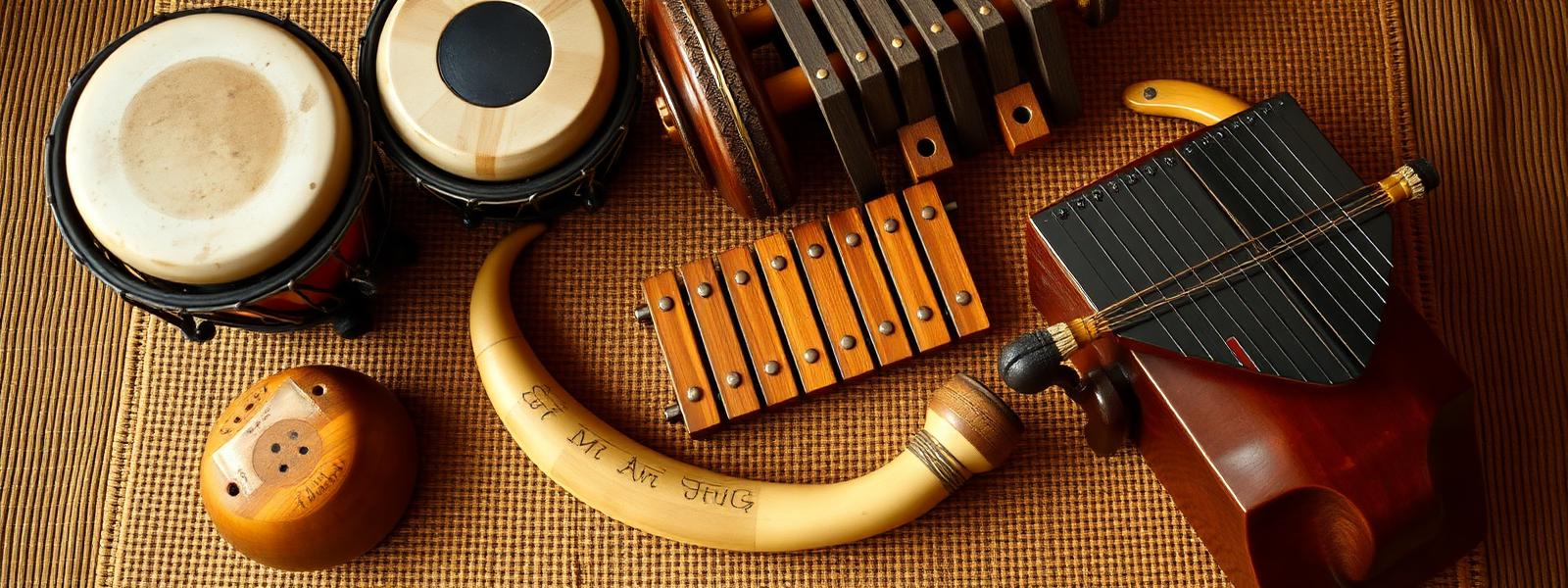
Sounds of the community
Image credit: Traditional instruments — My Heritage App editorial · AI-generated illustration · CC BY 4.0
Isicathamiya
Softly stepped a-cappella choral style made famous by Ladysmith Black Mambazo.
Maskandi
Modern Zulu folk-guitar tradition rooted in migrant workers' songs.

Etiquette
Visiting with respect
Image credit: A warm two-handed greeting — My Heritage App editorial · AI-generated illustration · CC BY 4.0
- Greet elders first with both hands and a slight bow of the head.
- Never point with your index finger — use an open hand instead.
- Accept food or gifts with two hands to show respect.
Gallery
Through the lens
Community-contributed photography coming soon. Have images to share? Get in touch.
Further reading
Go deeper
Quick recap
Test what you learned
Three quick questions. Earn 20 XP per correct answer and keep your daily streak alive.
Q1. Which greeting means "i see you" in isiZulu?
Q2. Which dish is described as: "Crumbly maize meal, traditionally eaten with amasi (fermented milk)."?
Q3. Which tradition is known as: "Intricate love-letter beadwork encodes messages through colour and pattern."?
Did you know
The Zulu word 'ubuntu' — humanity through others — has shaped South Africa's post-apartheid moral compass.
AI Heritage Assistant
Curious about Zulu traditions?
Ask culturally-grounded questions and get warm, respectful answers.