Khoisan
The First People
Also known as
Khoisan
Language
Khoekhoegowab, ǃXóõ, and related languages
Population
~200,000
Say hello
ǃGâi tsēs
Good day (Nama)
History
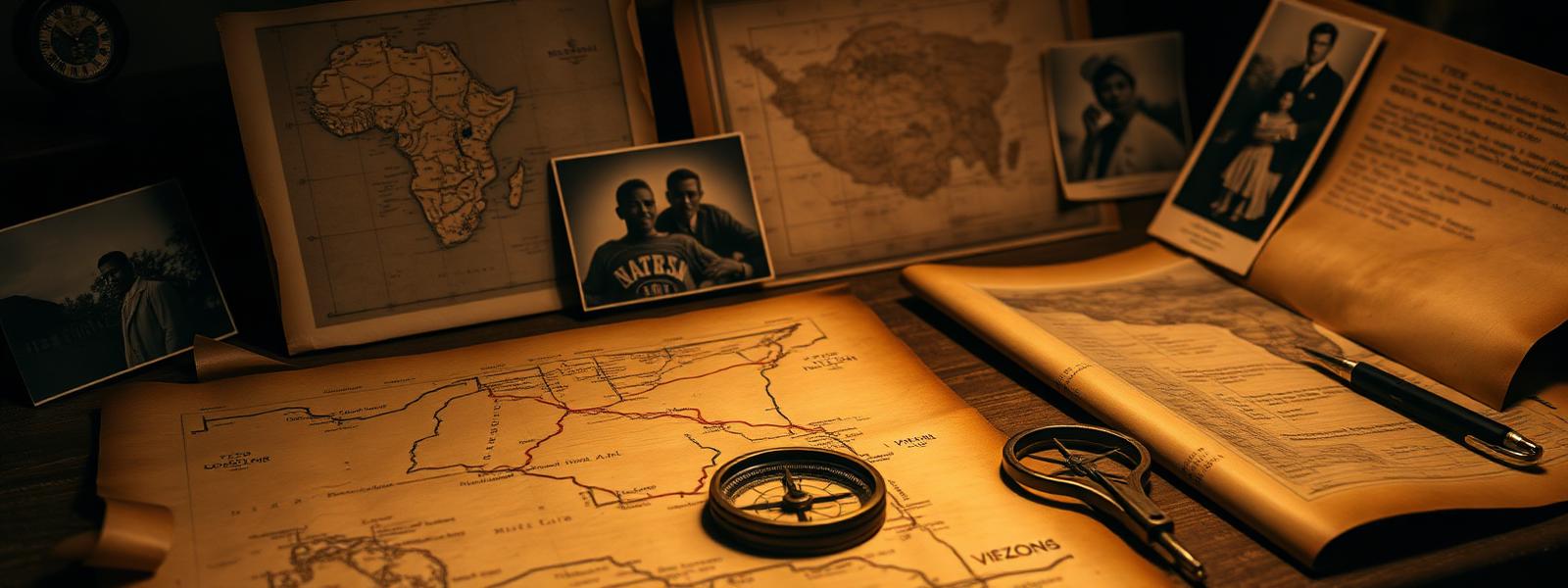
A story worth telling
Image credit: Historical archive still life — My Heritage App editorial · AI-generated illustration · CC BY 4.0
The Khoisan are the First People of southern Africa — genetic evidence traces continuous habitation back over 100,000 years.
The San were hunter-gatherers; the Khoekhoe (Nama) were pastoralists. Both suffered devastating displacement from the 17th century onward.
Today, groups including the ǂKhomani San have won landmark land rights claims, restoring ancestral territory.
Timeline
Key moments
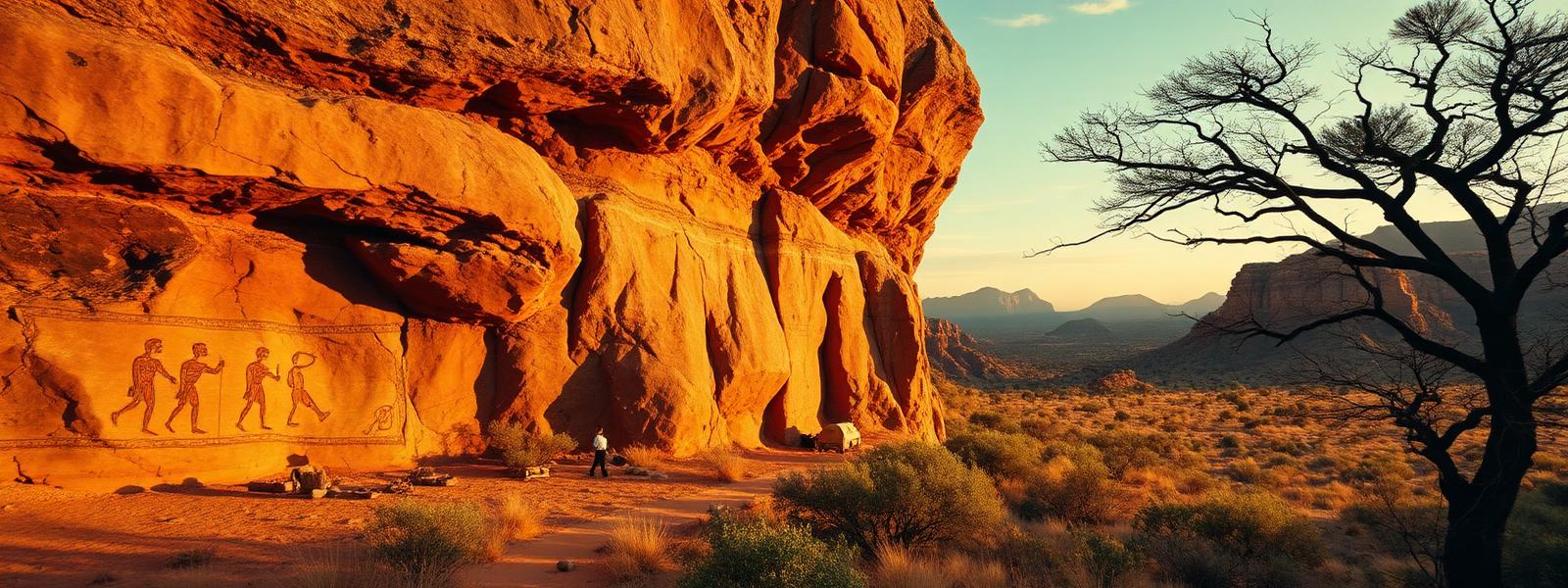
Image credit: Rock art to modern landscape — My Heritage App editorial · AI-generated illustration · CC BY 4.0
> 100,000 BP
Genetic evidence of continuous San occupation of southern Africa.
1652
Dutch settlement of the Cape begins a long displacement of Khoi pastoralists.
1904–1908
Namibian genocide devastates the Nama and Herero peoples.
1999
ǂKhomani San win a landmark land rights claim in the Kalahari.
Language
Khoekhoegowab, ǃXóõ, and related languages
Image credit: Storyteller's hands and script — My Heritage App editorial · AI-generated illustration · CC BY 4.0
Khoisan languages contain the world's most complex click inventories — up to five distinct clicks — and are among the oldest languages on Earth.
ǃGâi tsēs
Good day
Aios
Thank you
Matisa
How are you?
ǁHûib
Peace
Notable figures
Voices that shaped a people
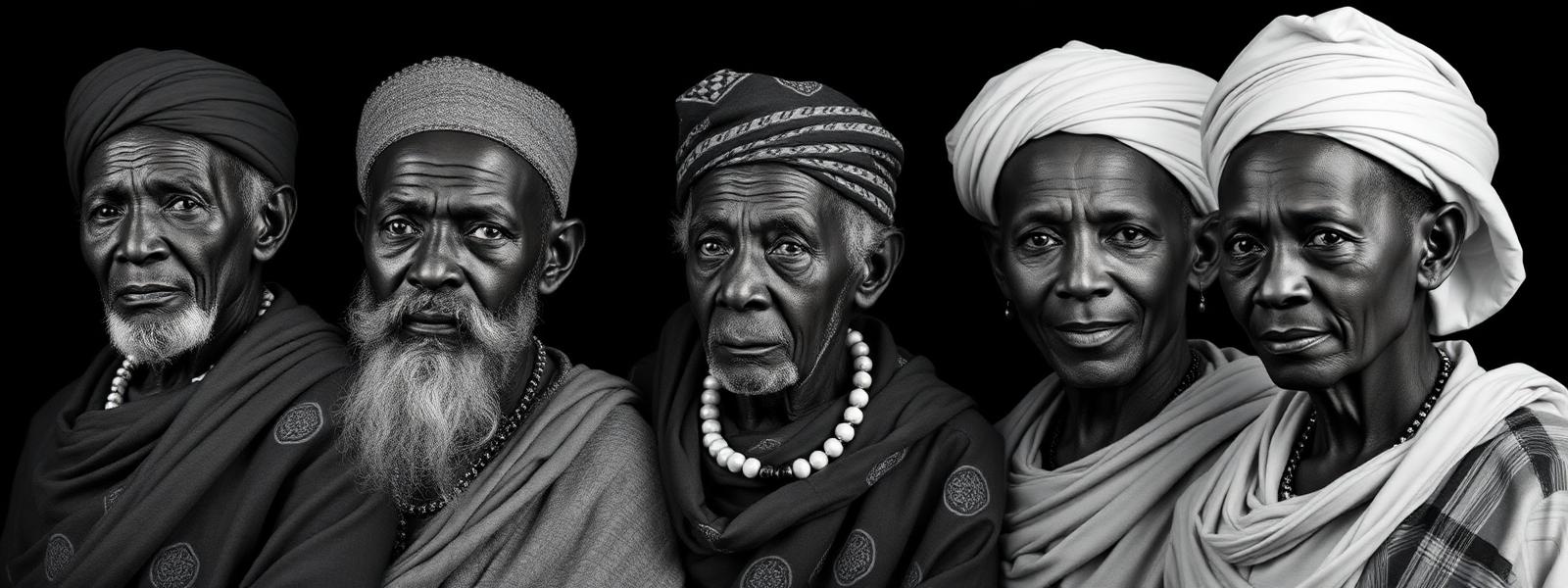
Image credit: Portrait montage of elders — My Heritage App editorial · AI-generated illustration · CC BY 4.0
Dawid Kruiper
ǂKhomani San leader and land rights advocate
//Kabbo
19th-century |Xam narrator whose stories fill the Bleek-Lloyd archive
Katrina Esau
Elder teaching the near-extinct N|uu language to a new generation
Food
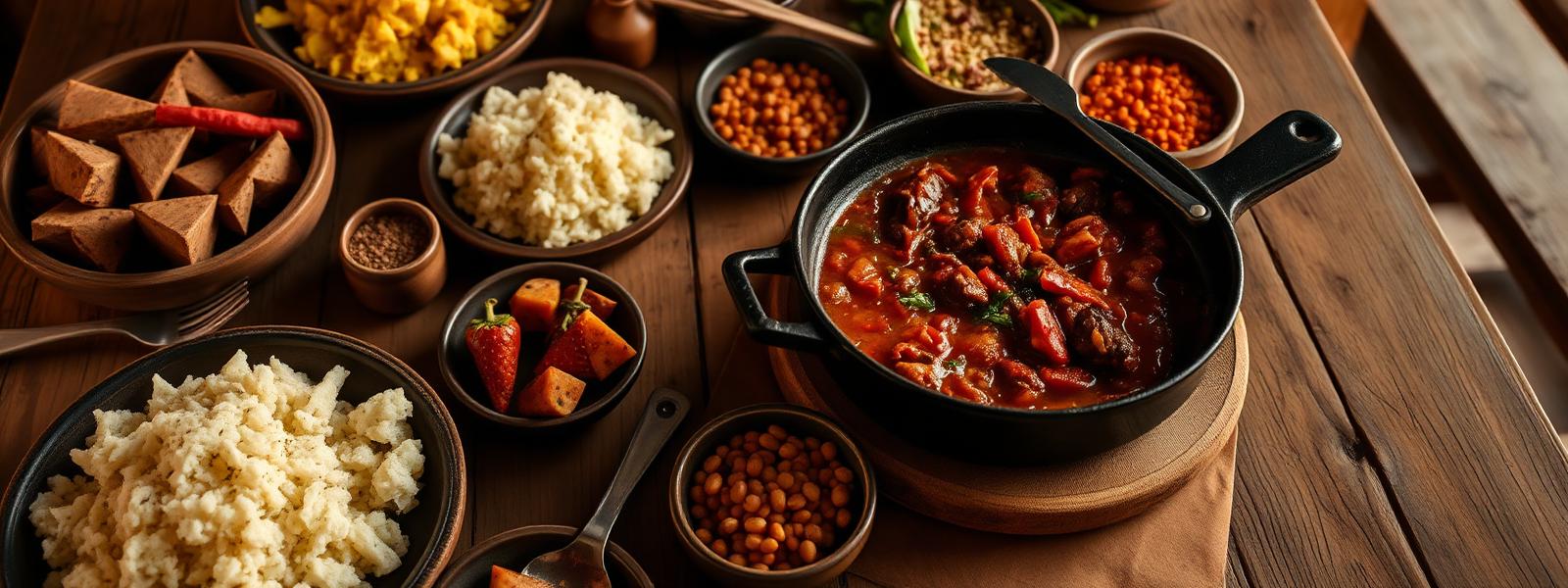
From the family pot
Image credit: South African family table — My Heritage App editorial · AI-generated illustration · CC BY 4.0
Bush tucker
Tsamma melons, ǃnara nuts and honey gathered from the veld.
Game meat
Traditionally springbok, kudu and gemsbok, hunted with poisoned arrows.
Rooibos
The now-global 'red bush' tea was first used by Khoisan communities of the Cederberg.
Arts & Traditions
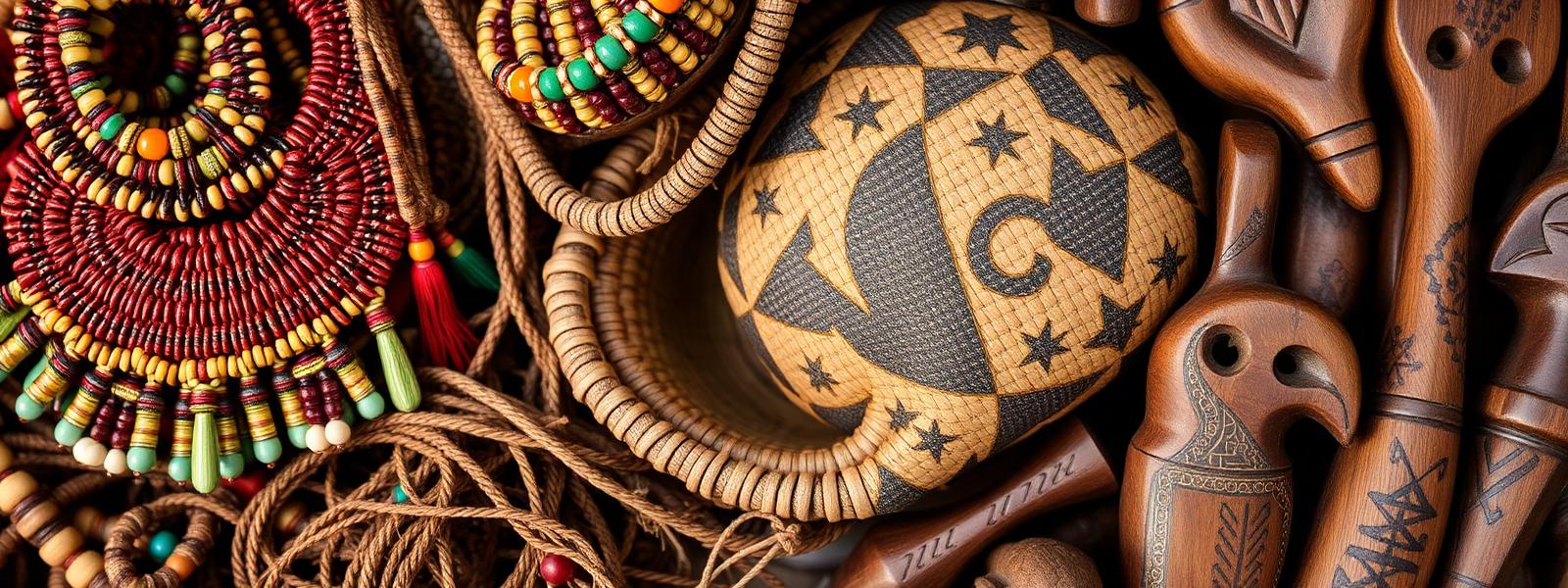
Made by hand, kept by heart
Image credit: Beadwork, baskets and carvings — My Heritage App editorial · AI-generated illustration · CC BY 4.0
Rock art
Over 30,000 rock painting sites across southern Africa depict trance dances and eland.
Trance dance
All-night healing ceremonies where healers enter altered states.
Ostrich-shell beadwork
Beads made from ostrich eggshell are among the oldest jewellery on Earth.
Ceremonies
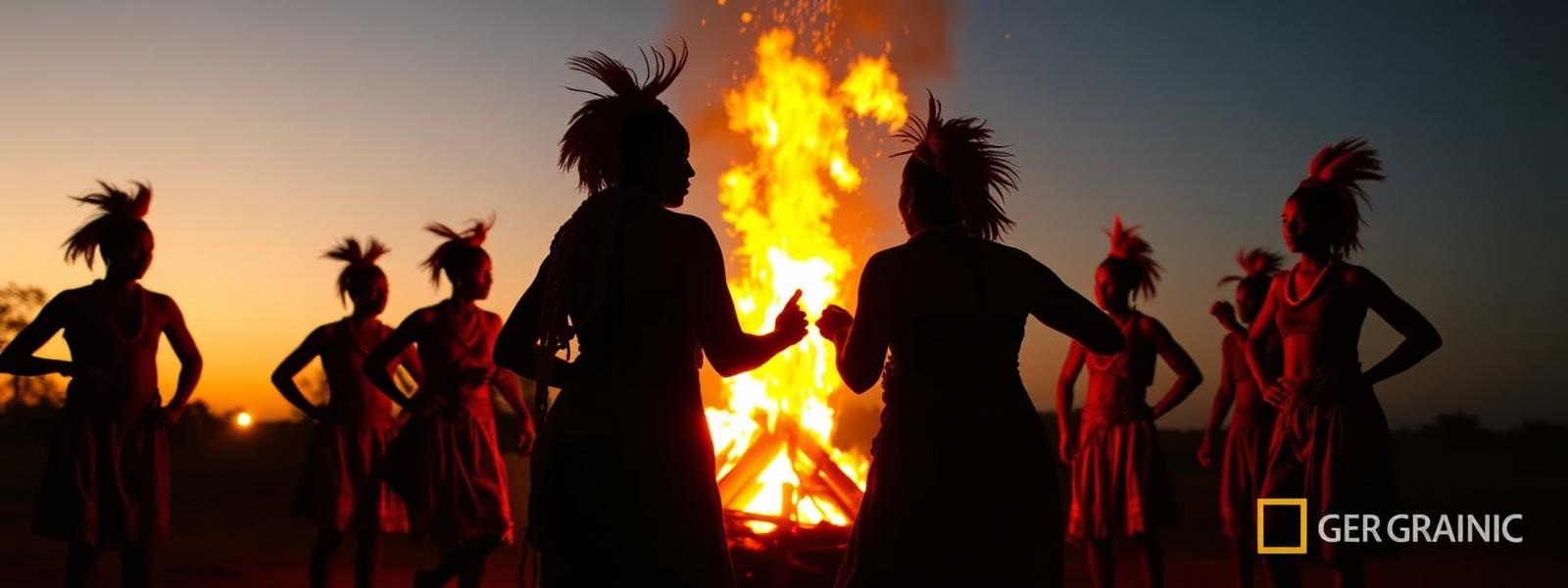
Rites and rituals
Image credit: Ceremonial dancers at dusk — My Heritage App editorial · AI-generated illustration · CC BY 4.0
Healing (trance) dance
All-night dance where healers enter trance to draw sickness from the community.
Eland Bull dance
Girls' first-menstruation rite honouring the sacred eland.
Music
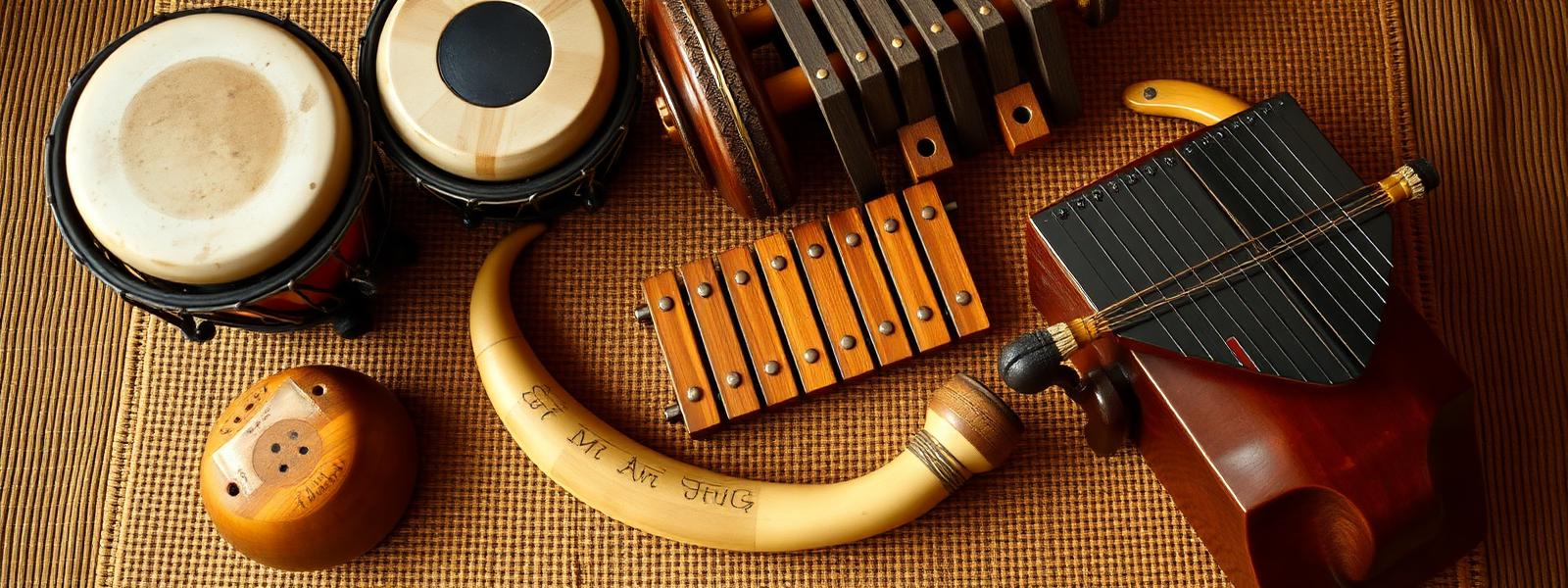
Sounds of the community
Image credit: Traditional instruments — My Heritage App editorial · AI-generated illustration · CC BY 4.0
Mouth bow
Small resonating bow played against the mouth to shape melody.
Nama stap
Rhythmic Nama step-dance still performed at Riemvasmaak festivals.

Etiquette
Visiting with respect
Image credit: A warm two-handed greeting — My Heritage App editorial · AI-generated illustration · CC BY 4.0
- Never touch or trace rock paintings — natural oils damage them permanently.
- Ask an elder before recording songs or ceremonies.
- Bring water and food to share when visiting a Kalahari community.
Gallery
Through the lens
Community-contributed photography coming soon. Have images to share? Get in touch.
Further reading
Go deeper
Quick recap
Test what you learned
Three quick questions. Earn 20 XP per correct answer and keep your daily streak alive.
Q1. Which greeting means "good day (nama)" in Khoekhoegowab, ǃXóõ, and related languages?
Q2. Which dish is described as: "Tsamma melons, ǃnara nuts and honey gathered from the veld."?
Q3. Which tradition is known as: "Over 30,000 rock painting sites across southern Africa depict trance dances and eland."?
Did you know
The famous 'Eve' hypothesis places humanity's most recent common maternal ancestor among Khoisan lineages.
AI Heritage Assistant
Curious about Khoisan traditions?
Ask culturally-grounded questions and get warm, respectful answers.