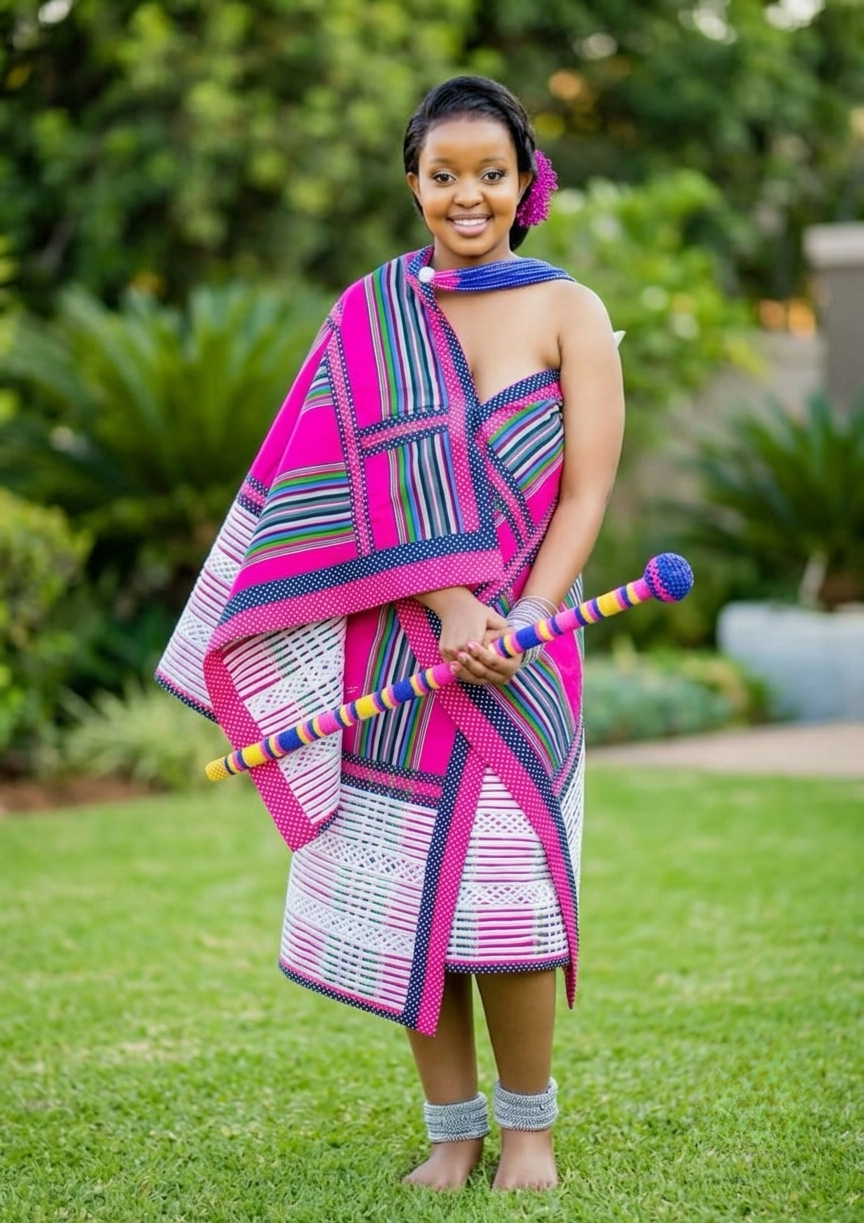
Vhavenḓa
Keepers of sacred lakes
Also known as
Venda
Language
Tshivenḓa
Population
~1.3 million
Say hello
Ndaa
Hello (respectful)

History
A story worth telling
Image credit: Historical archive still life — My Heritage App editorial · AI-generated illustration · CC BY 4.0
The Vhavenḓa trace their origins to the Mapungubwe kingdom (11th–13th century), the earliest known state in southern Africa.
Sacred Lake Fundudzi is believed to be guarded by ancestral spirits — few outsiders are permitted to visit.
Venda escaped the worst of colonial disruption due to the region's remoteness and dense forests.

Timeline
Key moments
Image credit: Rock art to modern landscape — My Heritage App editorial · AI-generated illustration · CC BY 4.0
1075–1220
Kingdom of Mapungubwe flourishes as southern Africa's first state.
1600s
Singo dynasty founds the Venda kingdom around Dzata.
1898
Chief Makhado, the 'Lion of the North', dies after resisting Boer incursions.
2003
Mapungubwe declared a UNESCO World Heritage Site.
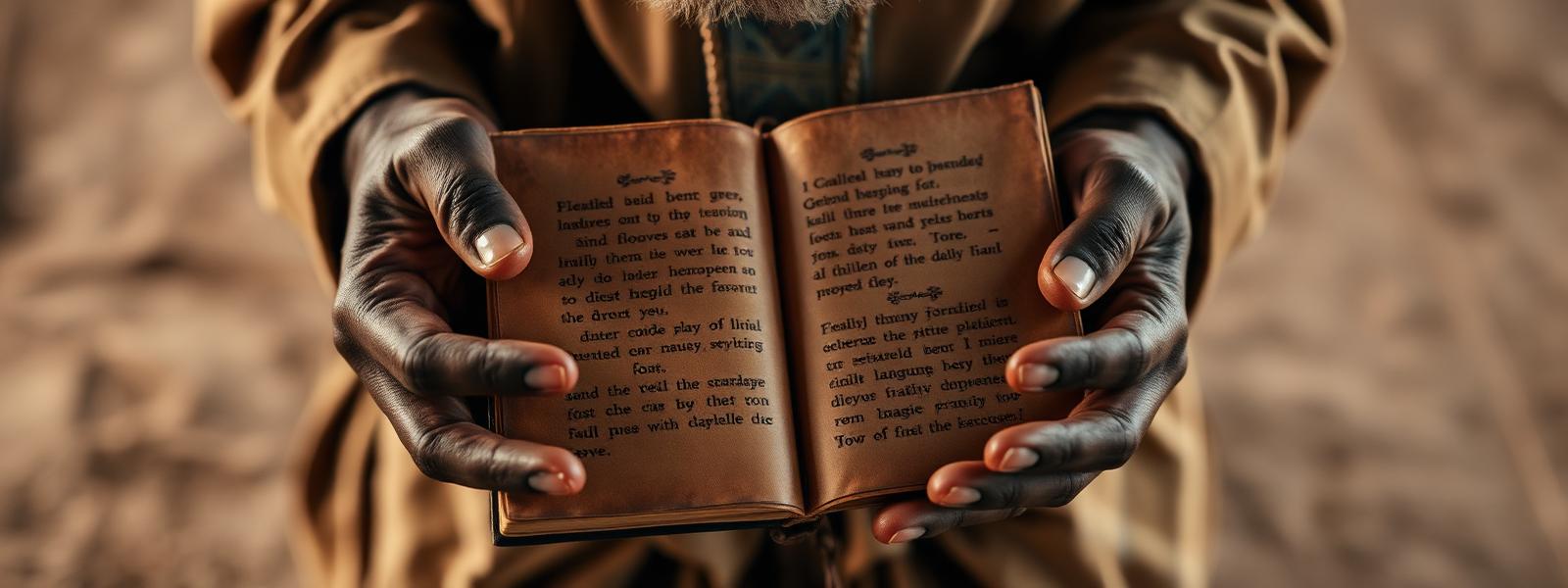
Language
Tshivenḓa
Image credit: Storyteller's hands and script — My Heritage App editorial · AI-generated illustration · CC BY 4.0
Tshivenḓa is a Sotho-Makua-Venda language, distinct from Nguni tongues. It uses the special character 'ḓ' for a retroflex 'd'.
Ndaa
Hello (male, respectful)
Aa
Hello (female, respectful)
Ndi a livhuwa
Thank you
Ni tshimbile zwavhuḓi
Travel well
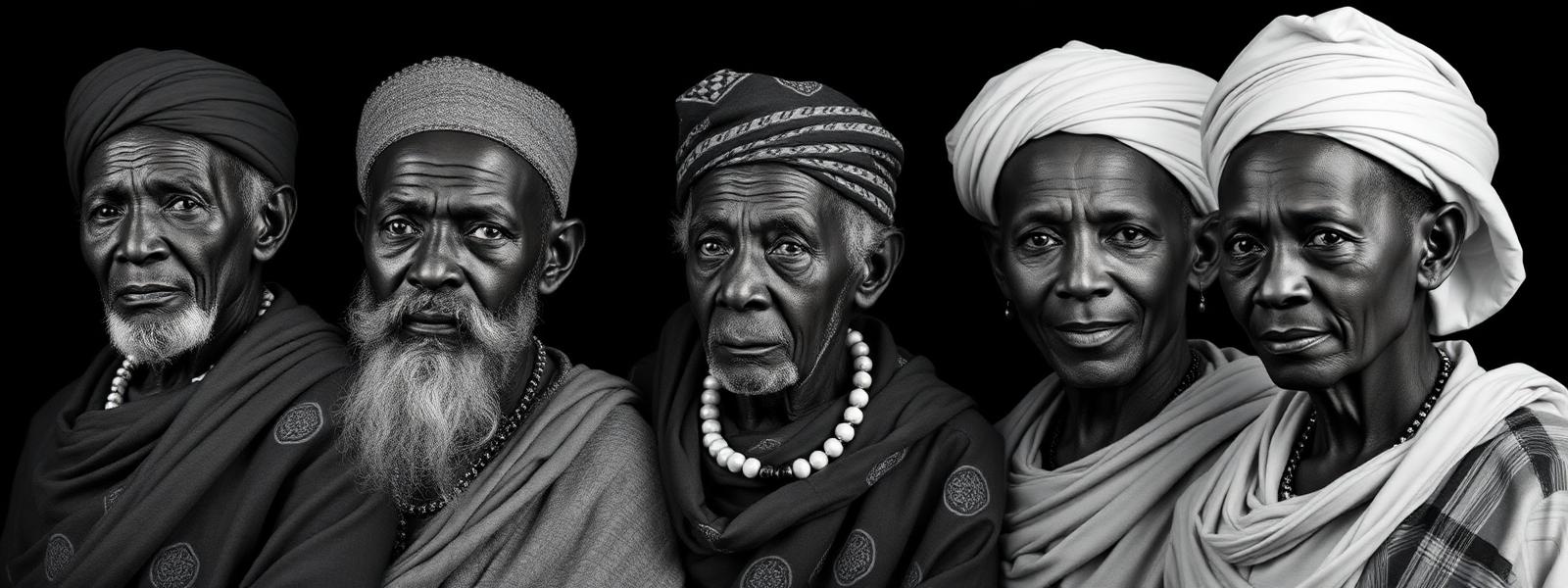
Notable figures
Voices that shaped a people
Image credit: Portrait montage of elders — My Heritage App editorial · AI-generated illustration · CC BY 4.0
Chief Makhado
Late-19th-century leader who kept Vendaland independent
Dr Vho-Tshavhungwe Nemapate
Custodian of Domba tradition
Noria Mabasa
Internationally exhibited sculptor from Tshino

Food
From the family pot
Image credit: South African family table — My Heritage App editorial · AI-generated illustration · CC BY 4.0
Vhuswa
Stiff maize porridge, the daily staple.
Tshidzimba
Samp, groundnuts and beans slow-cooked together.
Mopane worms
Protein-rich caterpillars, dried and stewed.
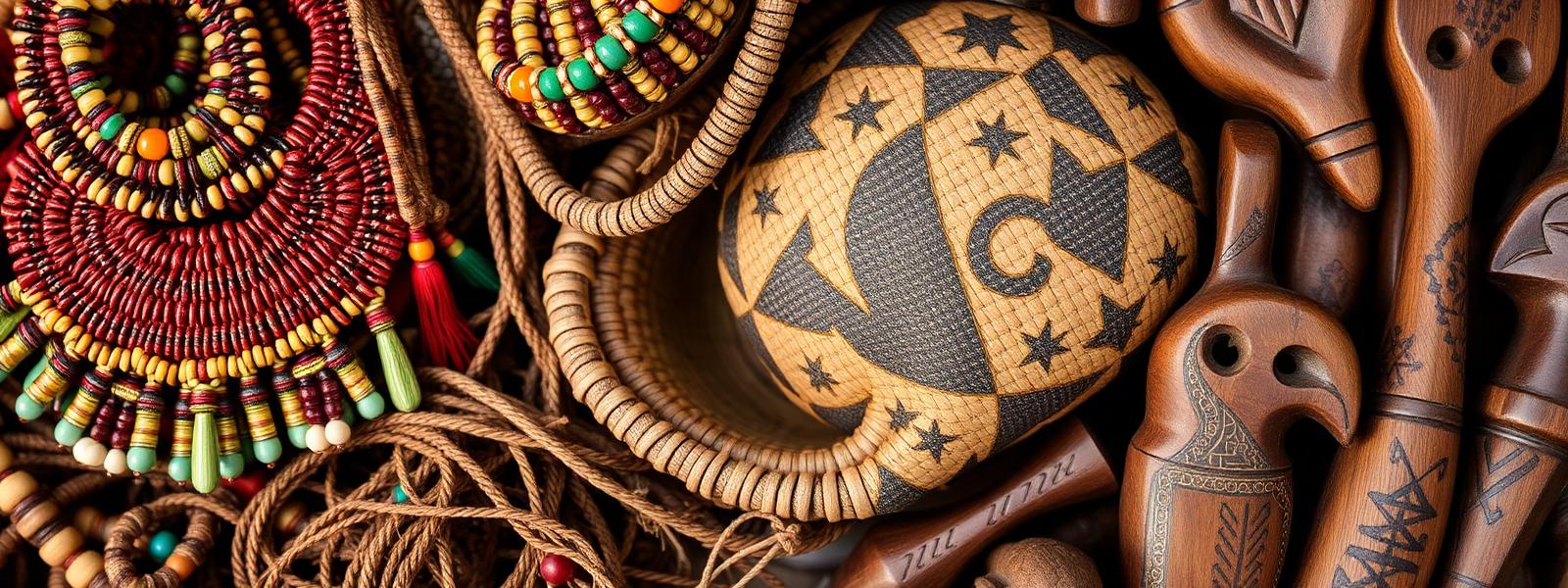
Arts & Traditions
Made by hand, kept by heart
Image credit: Beadwork, baskets and carvings — My Heritage App editorial · AI-generated illustration · CC BY 4.0
Domba (python) dance
Coming-of-age ceremony where young women move in a python-shaped line.
Wood carving
Sacred drums and doors carved with symbolic motifs.
Pottery
Distinctive earthen pots with graphite-polished patterns.
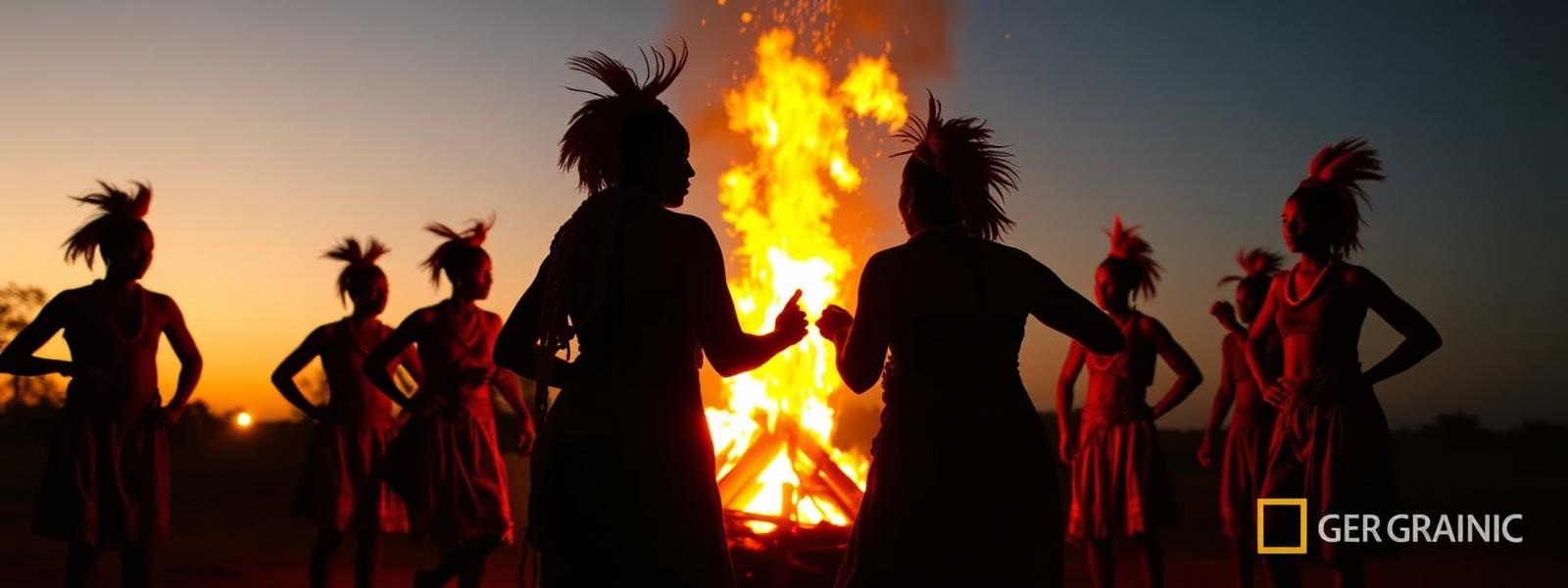
Ceremonies
Rites and rituals
Image credit: Ceremonial dancers at dusk — My Heritage App editorial · AI-generated illustration · CC BY 4.0
Domba
The 'python dance' — final stage of female initiation, performed in a rhythmic snaking line.
Malende
Communal songs and dances performed at royal gatherings.
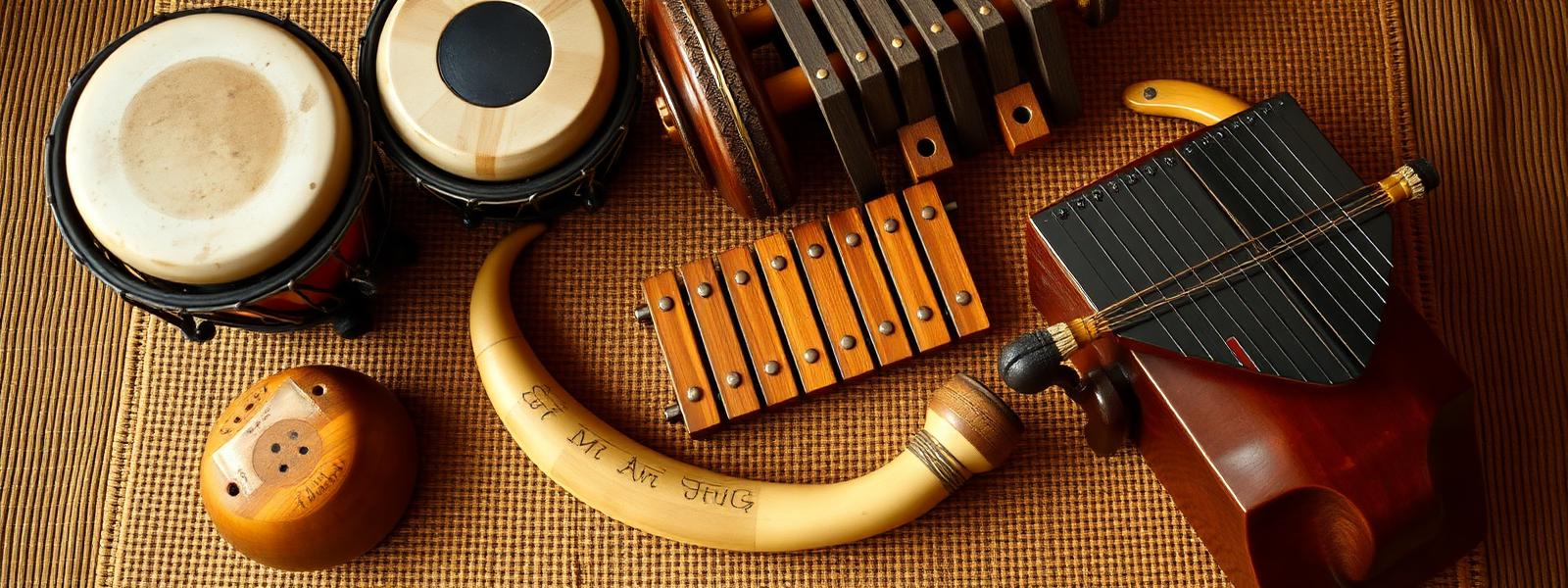
Music
Sounds of the community
Image credit: Traditional instruments — My Heritage App editorial · AI-generated illustration · CC BY 4.0
Ngoma drums
Sacred royal drums played only on ceremonial occasions.
Tshigombela
Girls' circle dance accompanied by drums and clapping.

Etiquette
Visiting with respect
Image credit: A warm two-handed greeting — My Heritage App editorial · AI-generated illustration · CC BY 4.0
- Men greet with 'Ndaa'; women with 'Aa' — always with a slight kneel or bow.
- Do not point at or attempt to visit Lake Fundudzi without a local guide.
- Remove shoes when entering a homestead's sacred inner room.
Gallery
Through the lens
Community-contributed photography coming soon. Have images to share? Get in touch.
Further reading
Go deeper
Quick recap
Test what you learned
Three quick questions. Earn 20 XP per correct answer and keep your daily streak alive.
Q1. Which greeting means "hello (respectful)" in Tshivenḓa?
Q2. Which dish is described as: "Stiff maize porridge, the daily staple."?
Q3. Which tradition is known as: "Coming-of-age ceremony where young women move in a python-shaped line."?
Did you know
The Venda calendar traditionally has 13 months, aligned with lunar cycles and agricultural rhythms.
AI Heritage Assistant
Curious about Venda traditions?
Ask culturally-grounded questions and get warm, respectful answers.