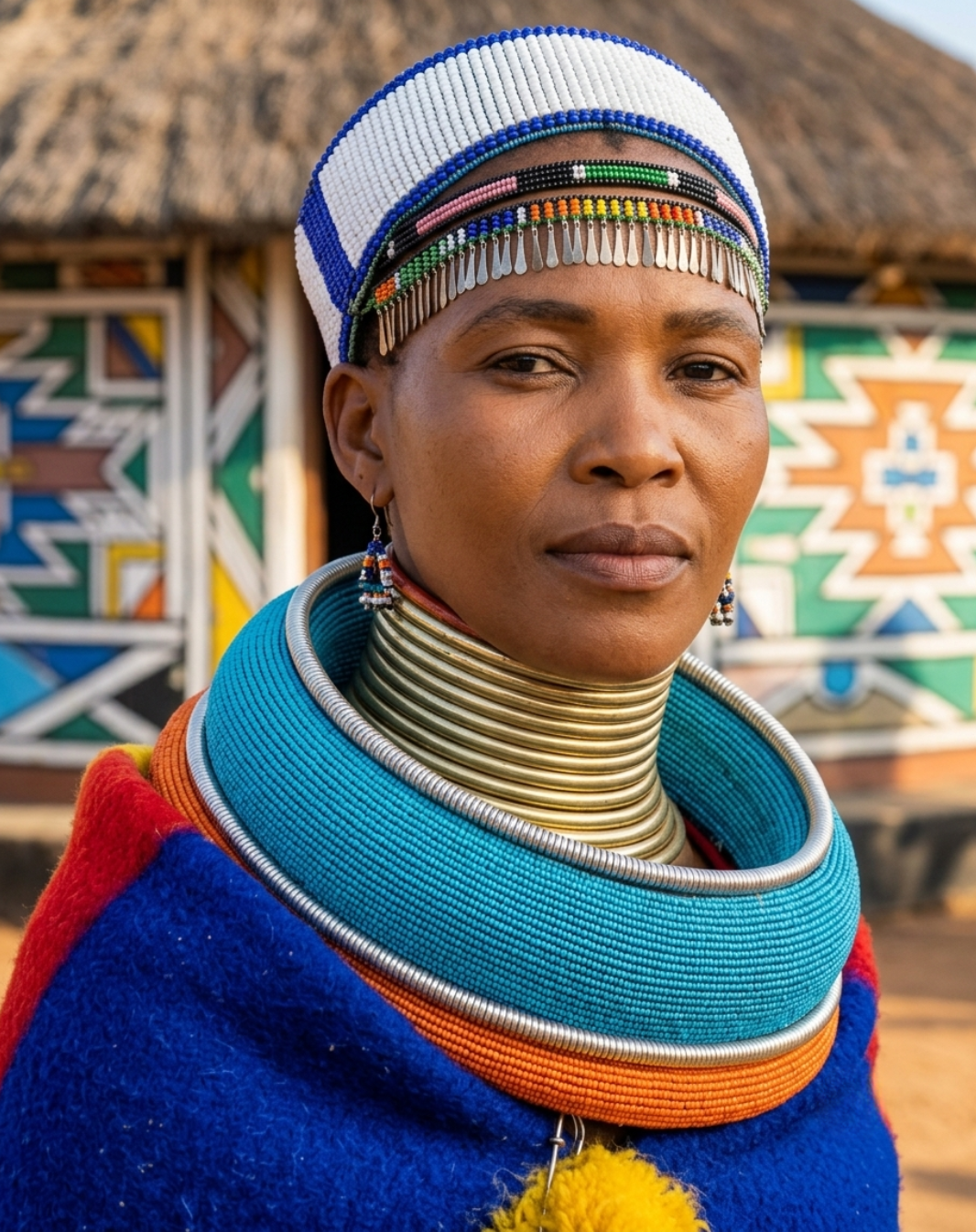
amaNdebele
Painters of geometry
Also known as
Ndebele
Language
isiNdebele
Population
~1.1 million
Say hello
Lotjhani
Hello
History
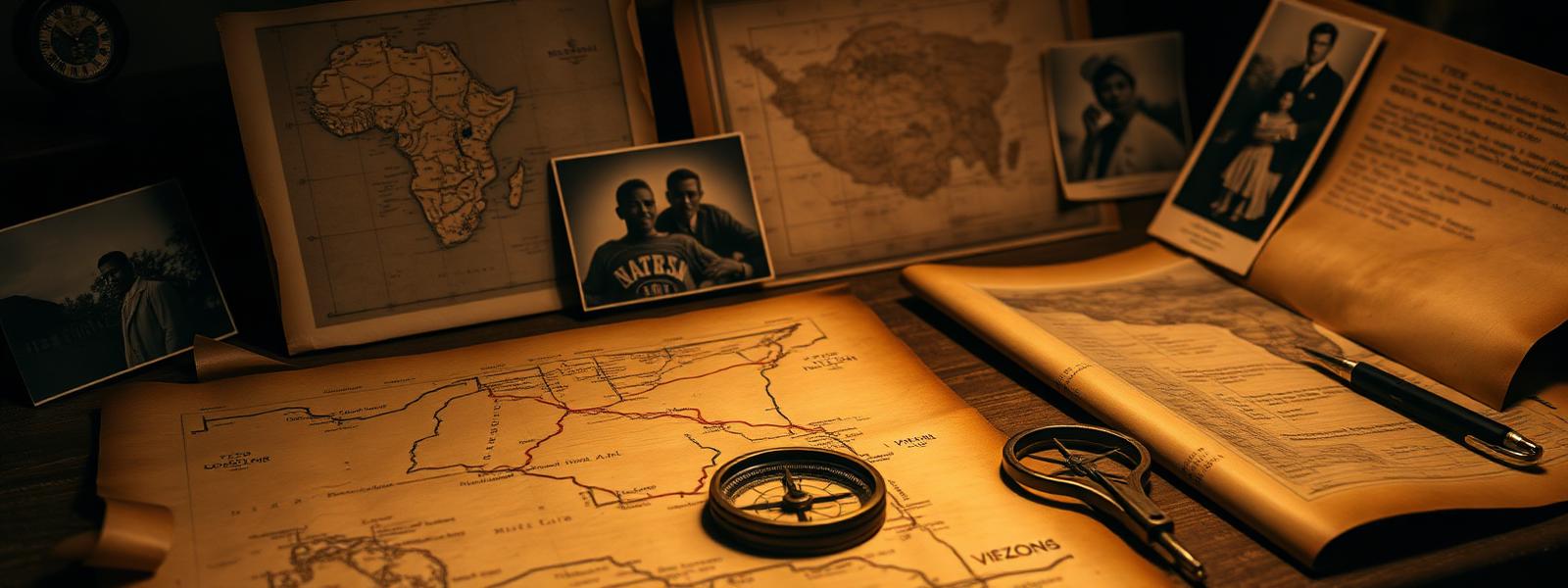
A story worth telling
Image credit: Historical archive still life — My Heritage App editorial · AI-generated illustration · CC BY 4.0
The amaNdebele split from the Nguni migration around the 17th century, settling in what is now Mpumalanga and Gauteng.
Under King Mzilikazi, a northern branch migrated to Zimbabwe, becoming the Matabele.
During apartheid, women's wall painting became a subtle form of cultural resistance and identity preservation.

Timeline
Key moments
Image credit: Rock art to modern landscape — My Heritage App editorial · AI-generated illustration · CC BY 4.0
c. 1600s
Ndebele split from mainstream Nguni migration, settling in the highveld.
1820s
Under Mzilikazi, the northern Ndebele migrate to modern Zimbabwe (Matabele).
1883
The Mapoch War ends with the defeat of King Nyabela by Boer forces.
1991
Esther Mahlangu paints the first African BMW Art Car, taking Ndebele murals global.
Language
isiNdebele
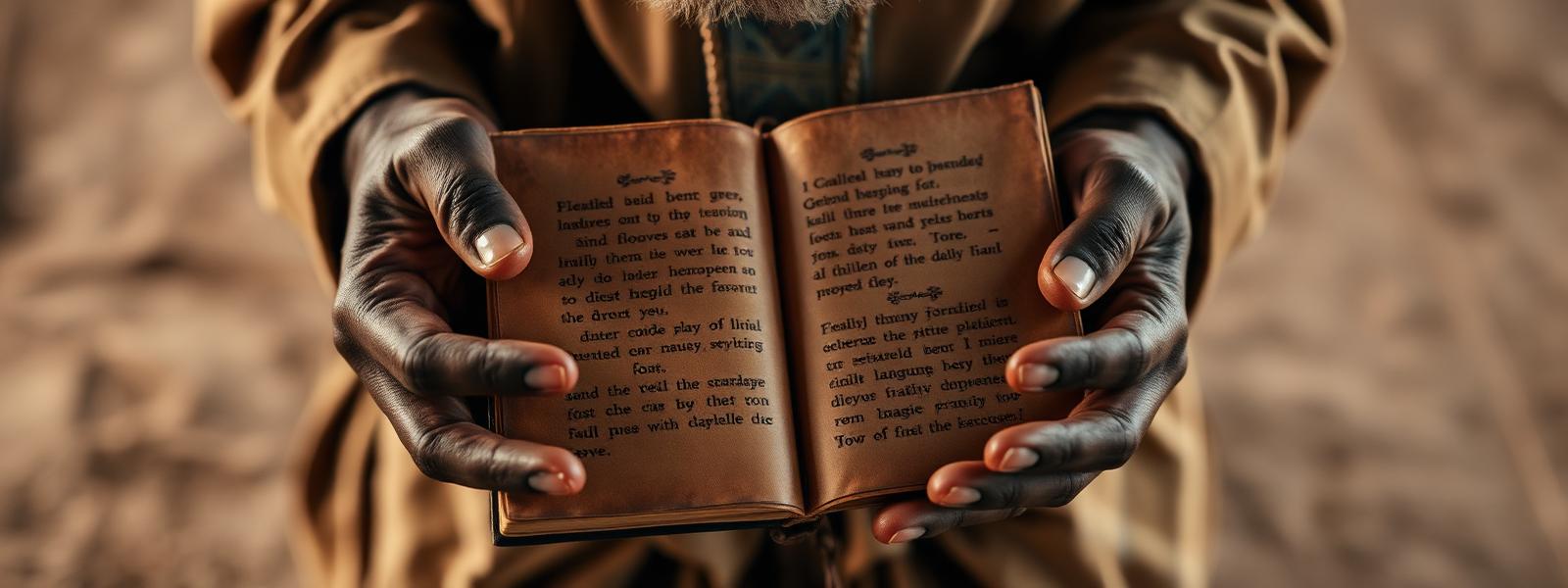
Image credit: Storyteller's hands and script — My Heritage App editorial · AI-generated illustration · CC BY 4.0
isiNdebele is closely related to isiZulu but retains distinct vocabulary and vowel harmony.
Lotjhani
Hello
Ngiyathokoza
Thank you
Uphila njani?
How are you?
Sala kuhle
Goodbye
Notable figures
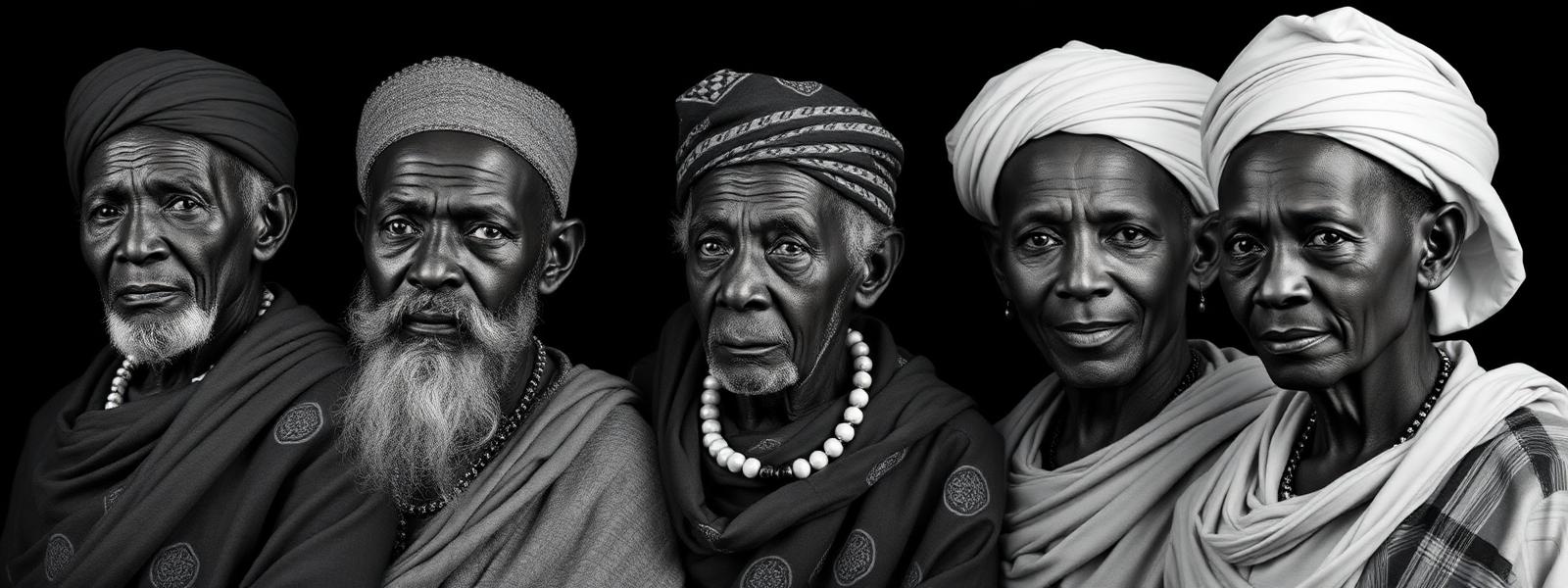
Voices that shaped a people
Image credit: Portrait montage of elders — My Heritage App editorial · AI-generated illustration · CC BY 4.0
King Mzilikazi
Warrior-king who founded the Matabele kingdom
King Nyabela
19th-century leader who resisted Boer expansion
Esther Mahlangu
Internationally acclaimed muralist and cultural custodian
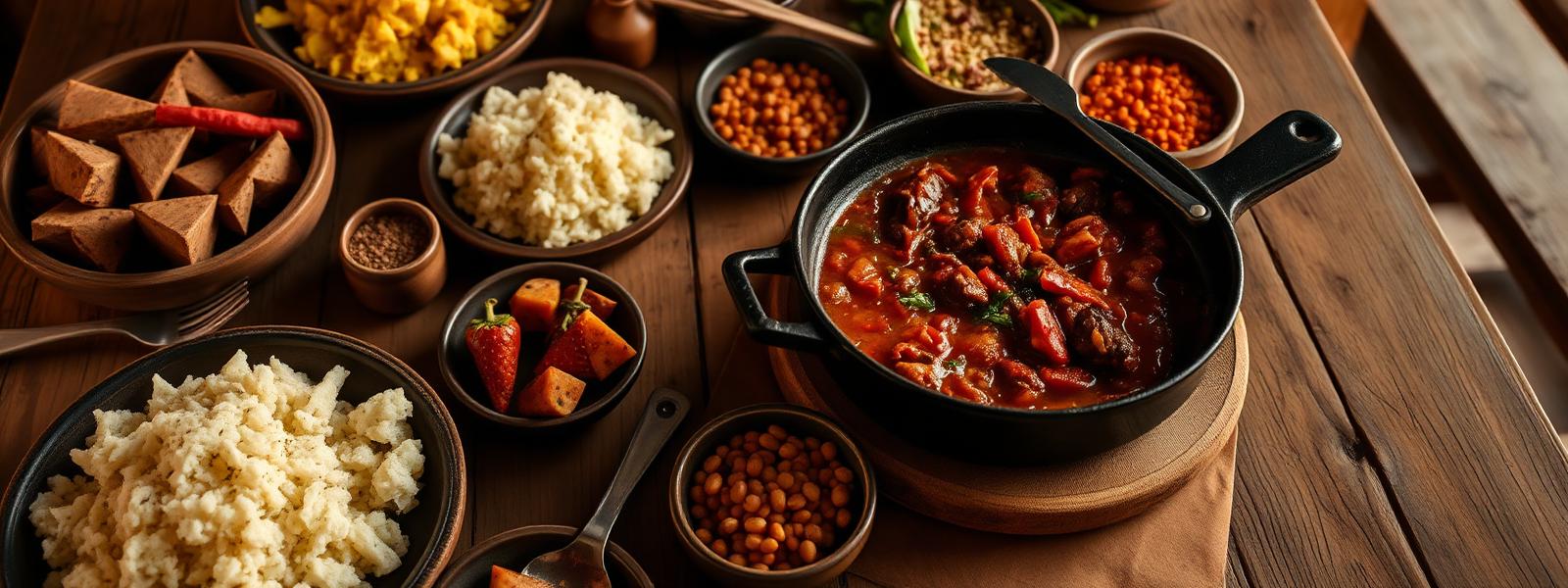
Food
From the family pot
Image credit: South African family table — My Heritage App editorial · AI-generated illustration · CC BY 4.0
Isitjwala
Thick maize porridge, the staple accompaniment.
Idombolo
Steamed dumplings served with meat stew.
Umbhako
Traditional pot-baked bread.
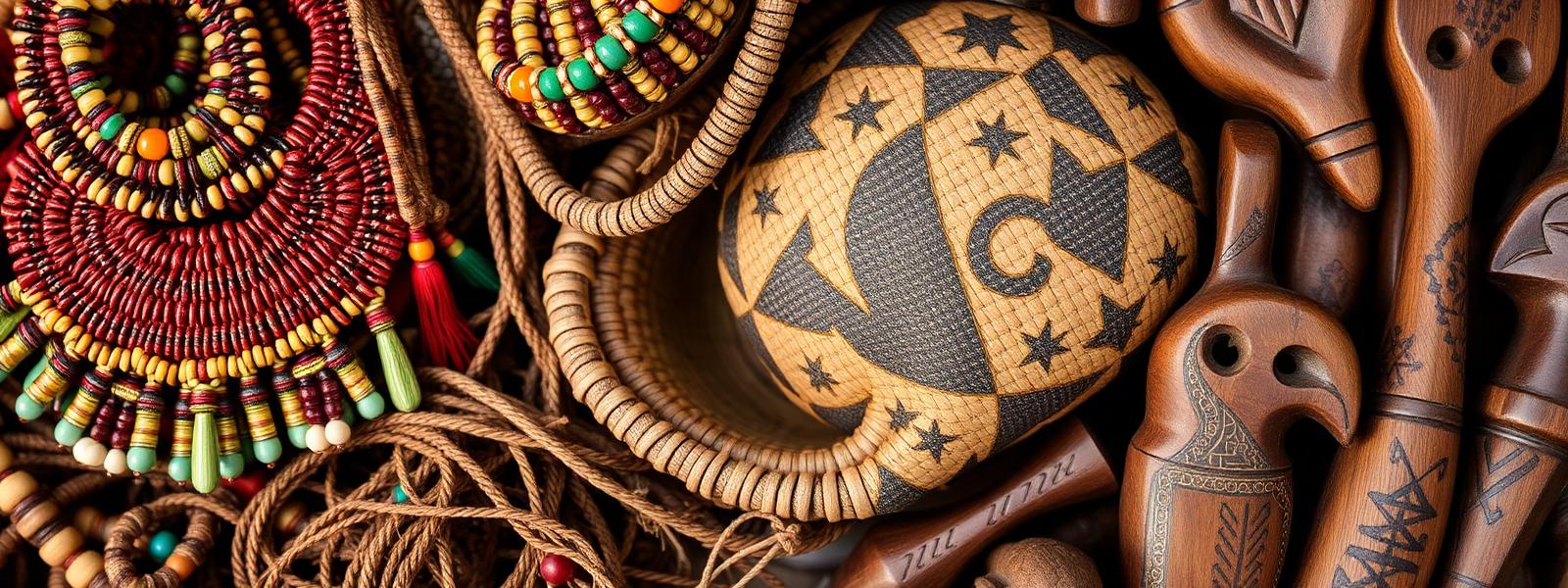
Arts & Traditions
Made by hand, kept by heart
Image credit: Beadwork, baskets and carvings — My Heritage App editorial · AI-generated illustration · CC BY 4.0
Geometric murals
Bold, symmetrical wall paintings — pioneered by Esther Mahlangu — now decorate BMW Art Cars and global galleries.
Iporiyana
Beaded goatskin apron given to boys at initiation.
Ndzila neck rings
Copper and brass rings worn as symbols of devotion and status.
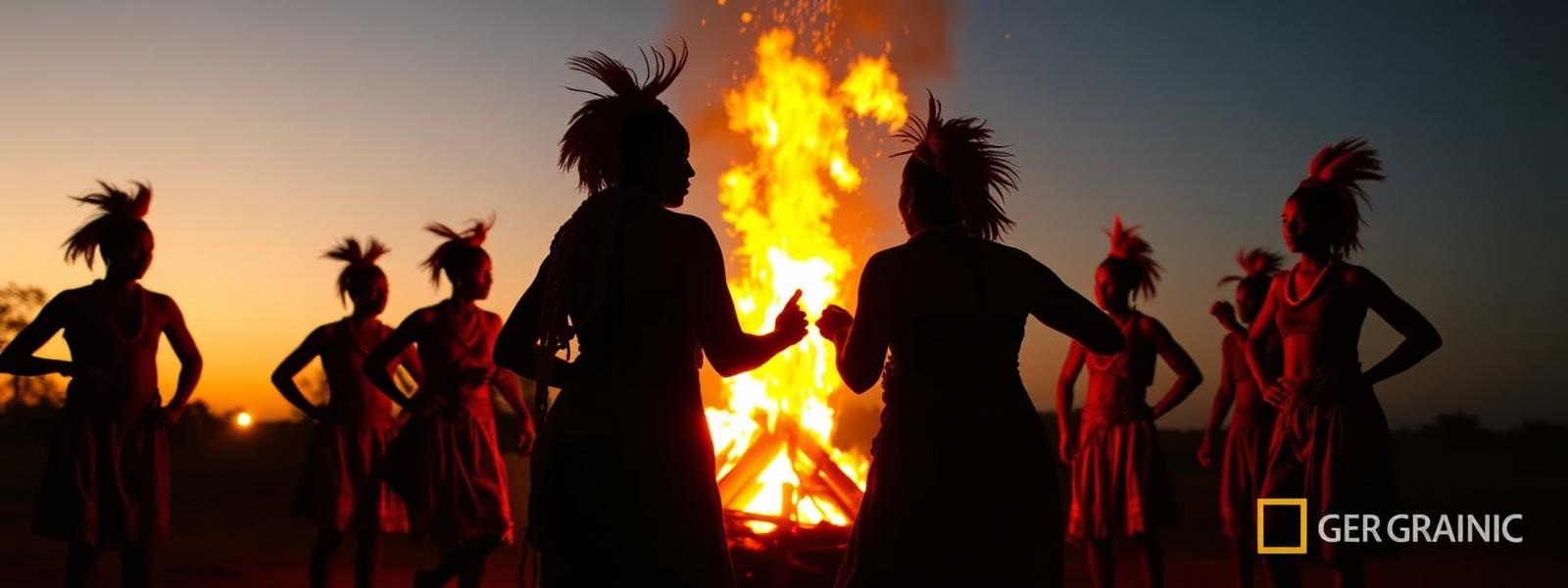
Ceremonies
Rites and rituals
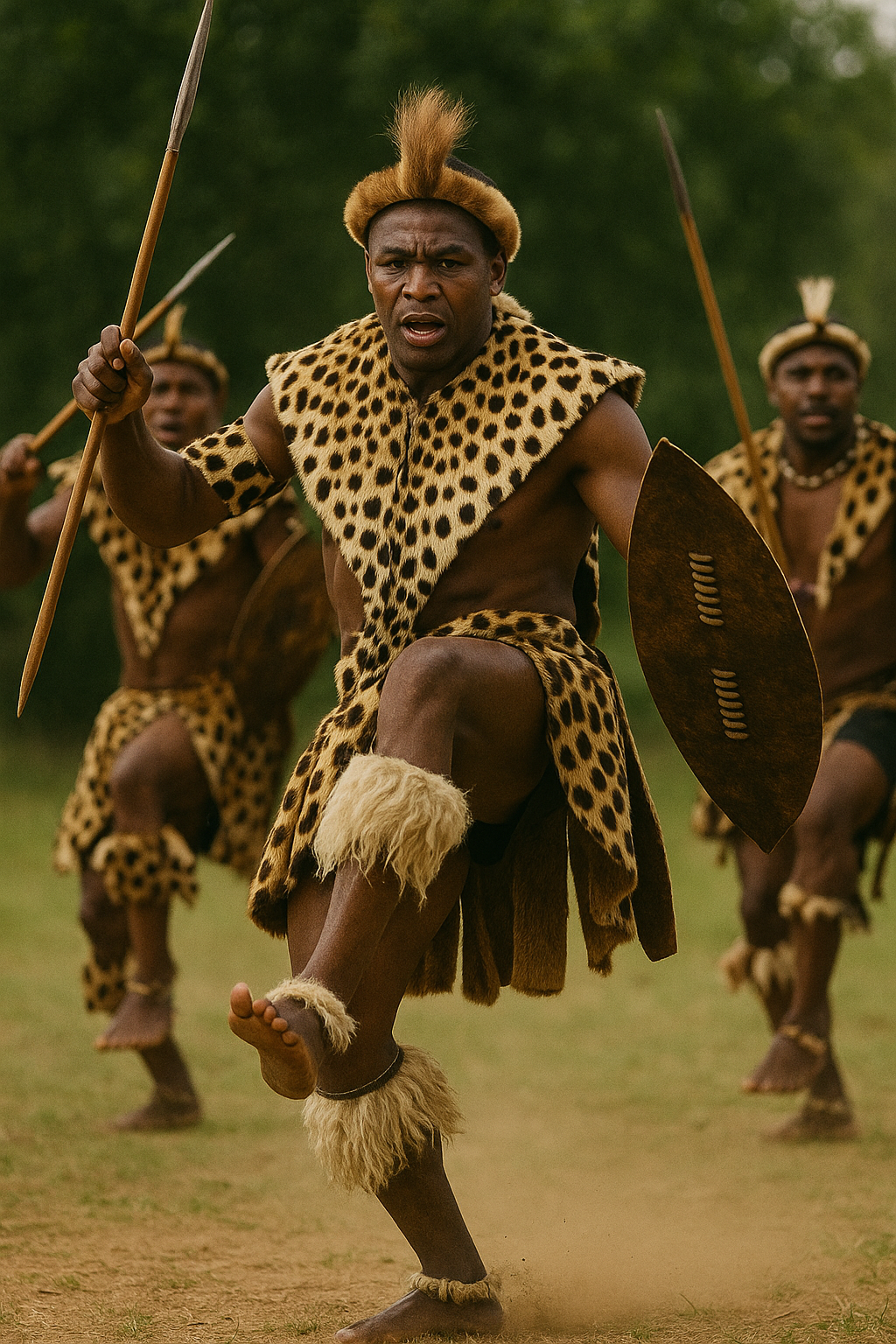
Image credit: Ceremonial dancers at dusk — My Heritage App editorial · AI-generated illustration · CC BY 4.0
Wela initiation
Boys' rite of passage into manhood, held every four years.
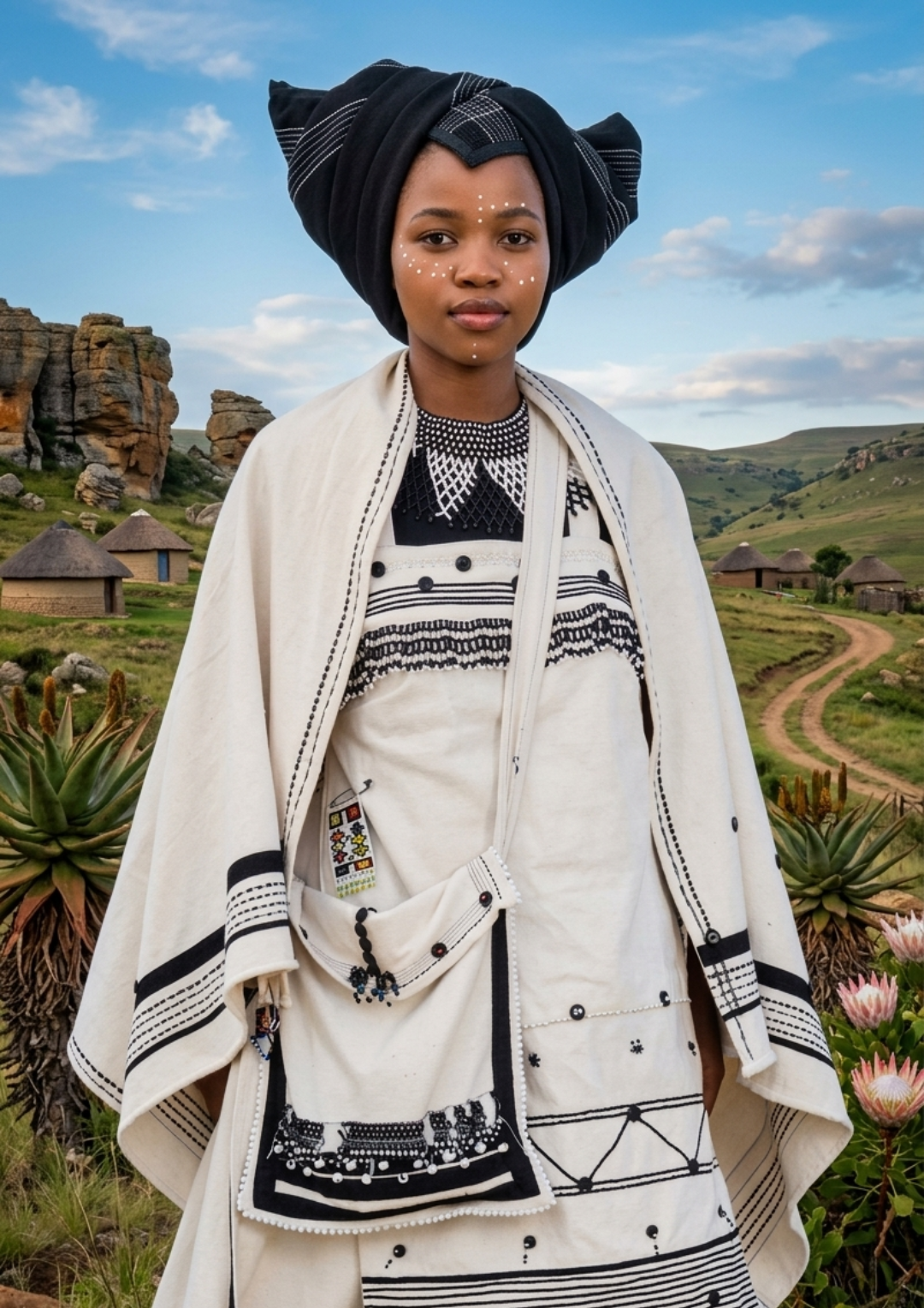
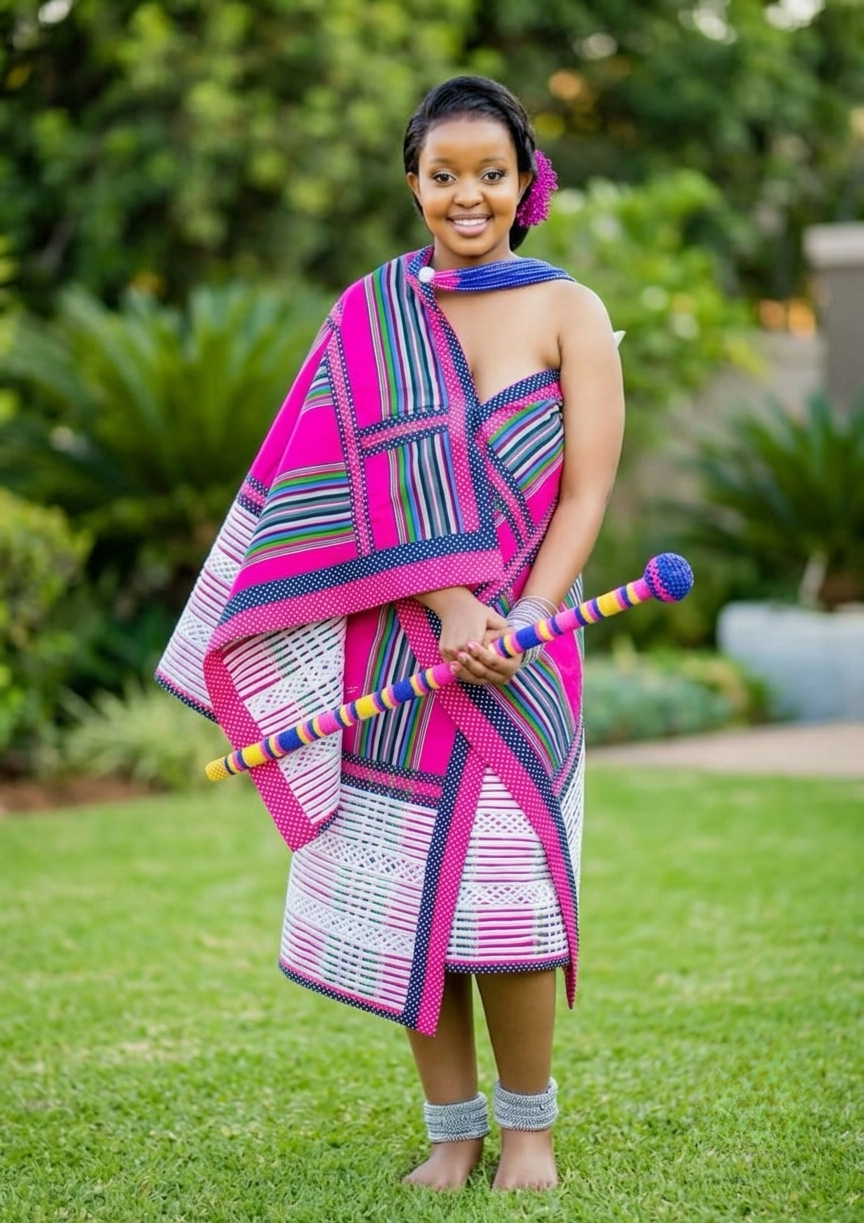
Iqhude
Girls' coming-of-age seclusion, culminating in beaded regalia and painted walls.
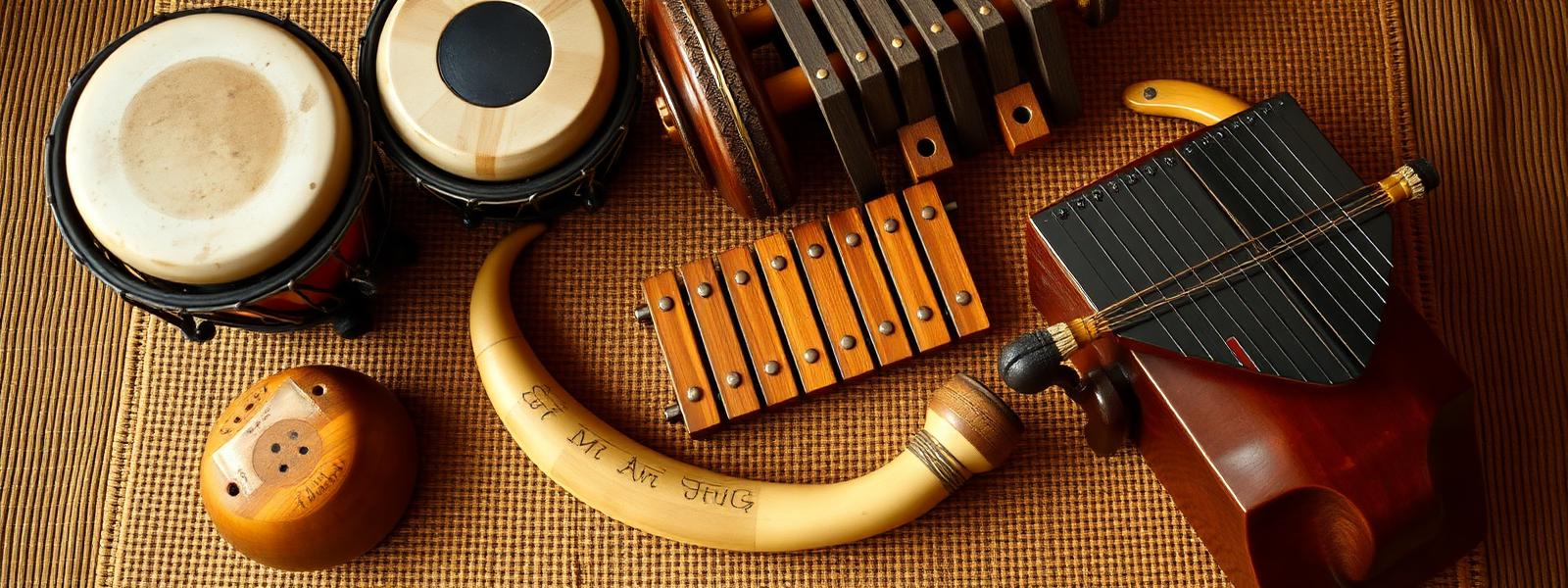
Music
Sounds of the community
Image credit: Traditional instruments — My Heritage App editorial · AI-generated illustration · CC BY 4.0
Iindlamu drumming
Powerful stamping-and-drum accompaniment for celebrations.
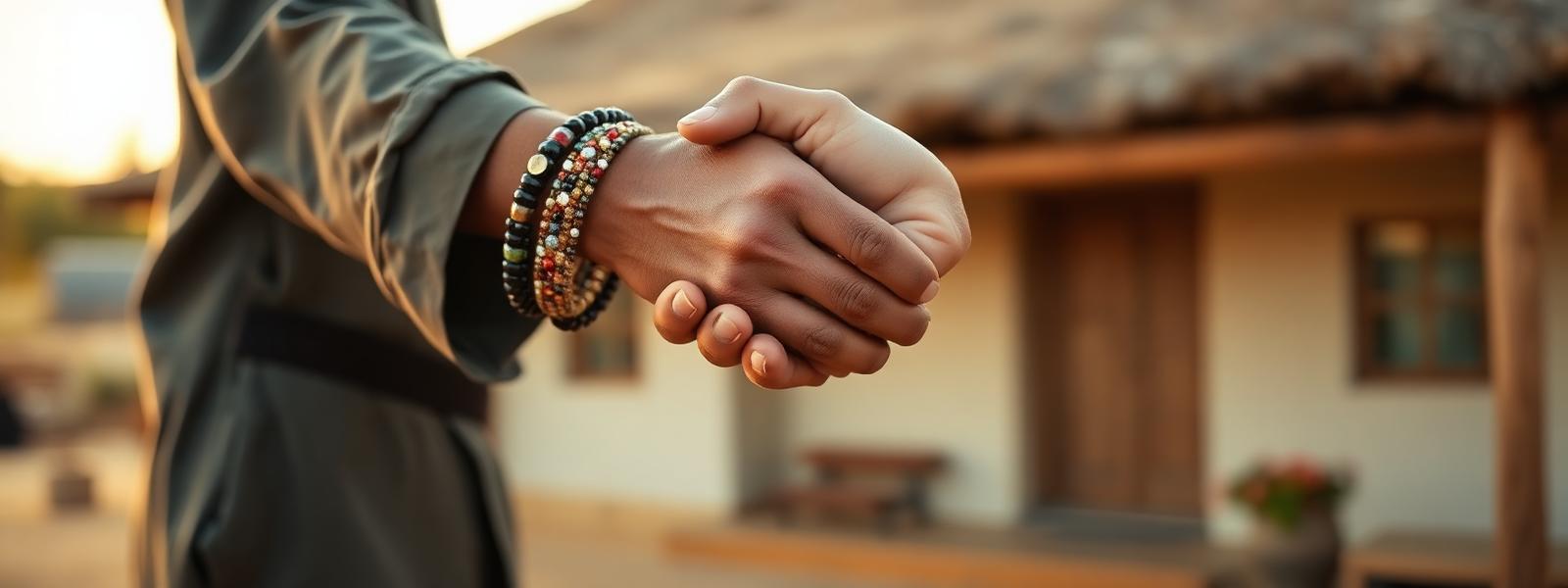
Etiquette
Visiting with respect
Image credit: A warm two-handed greeting — My Heritage App editorial · AI-generated illustration · CC BY 4.0
- Ask permission before photographing painted homesteads — they are sacred family art.
- Bring a small gift when visiting an elder's home.
- Compliment the woman of the house on her wall painting when entering.
Gallery
Through the lens
Community-contributed photography coming soon. Have images to share? Get in touch.
Further reading
Go deeper
Quick recap
Test what you learned
Three quick questions. Earn 20 XP per correct answer and keep your daily streak alive.
Q1. Which greeting means "hello" in isiNdebele?
Q2. Which dish is described as: "Thick maize porridge, the staple accompaniment."?
Q3. Which tradition is known as: "Bold, symmetrical wall paintings — pioneered by Esther Mahlangu — now decorate BMW Art Cars and global galleries."?
Did you know
Ndebele women historically had no written language, so wall painting became a coded visual archive of history.
AI Heritage Assistant
Curious about Ndebele traditions?
Ask culturally-grounded questions and get warm, respectful answers.