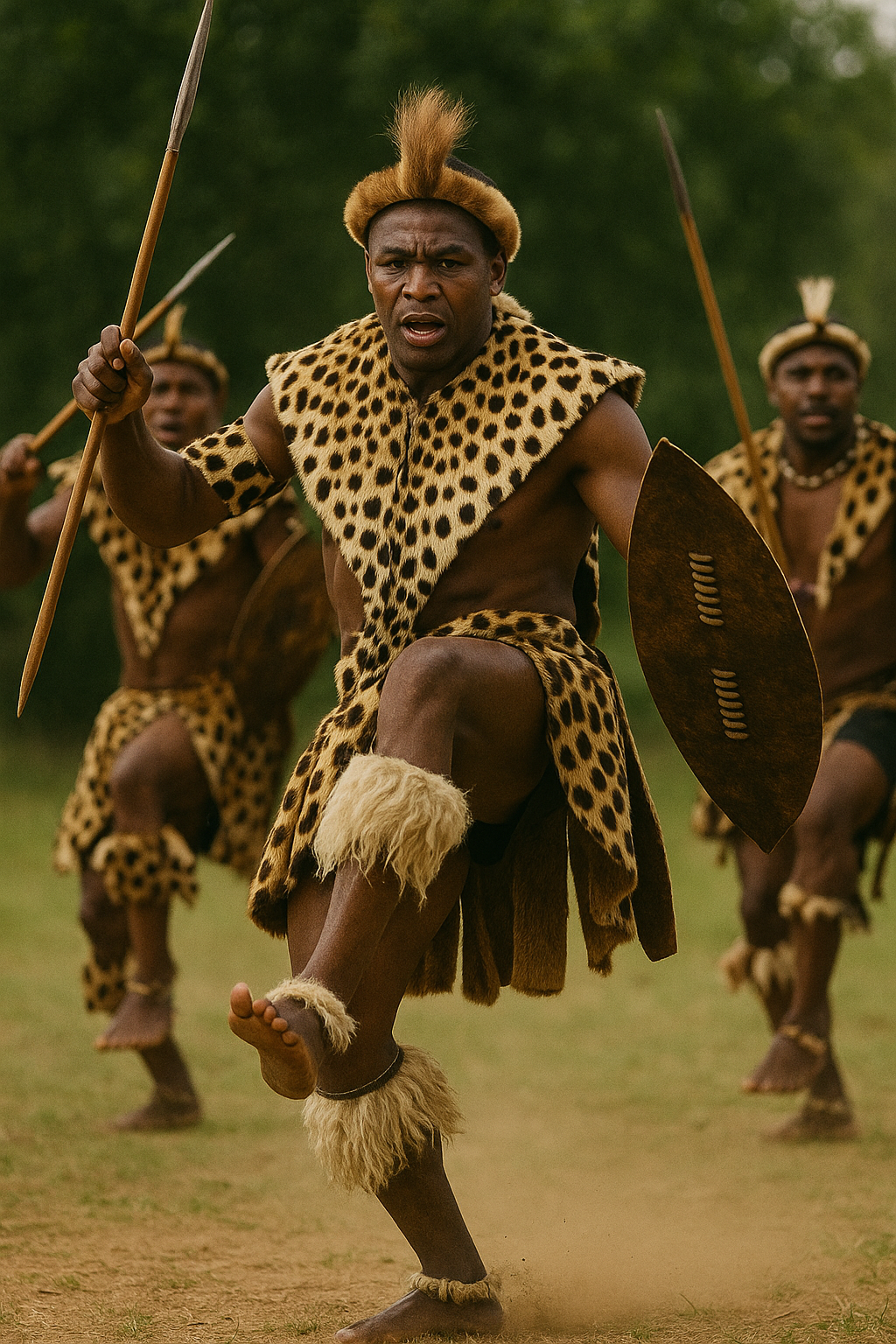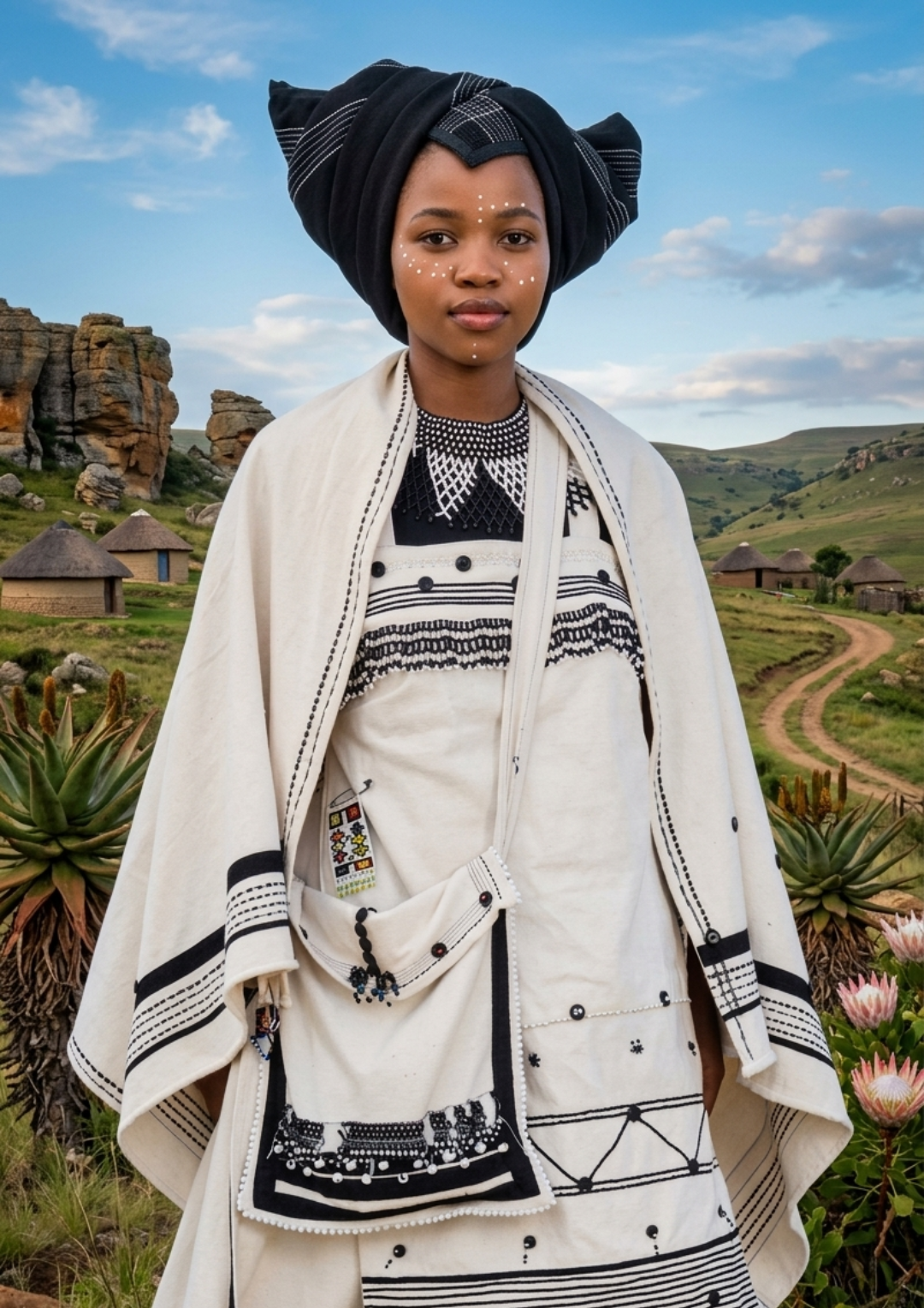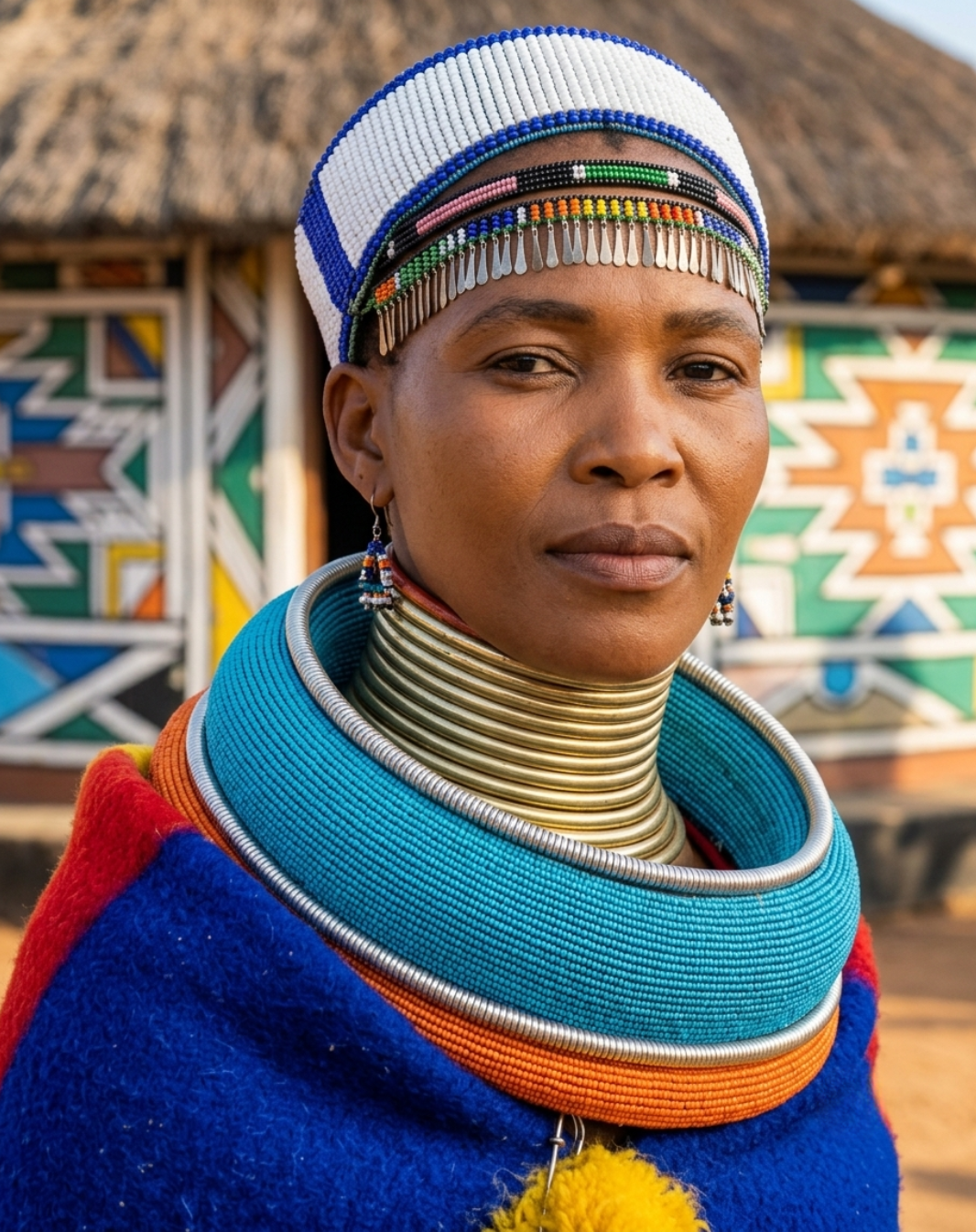
Vatsonga
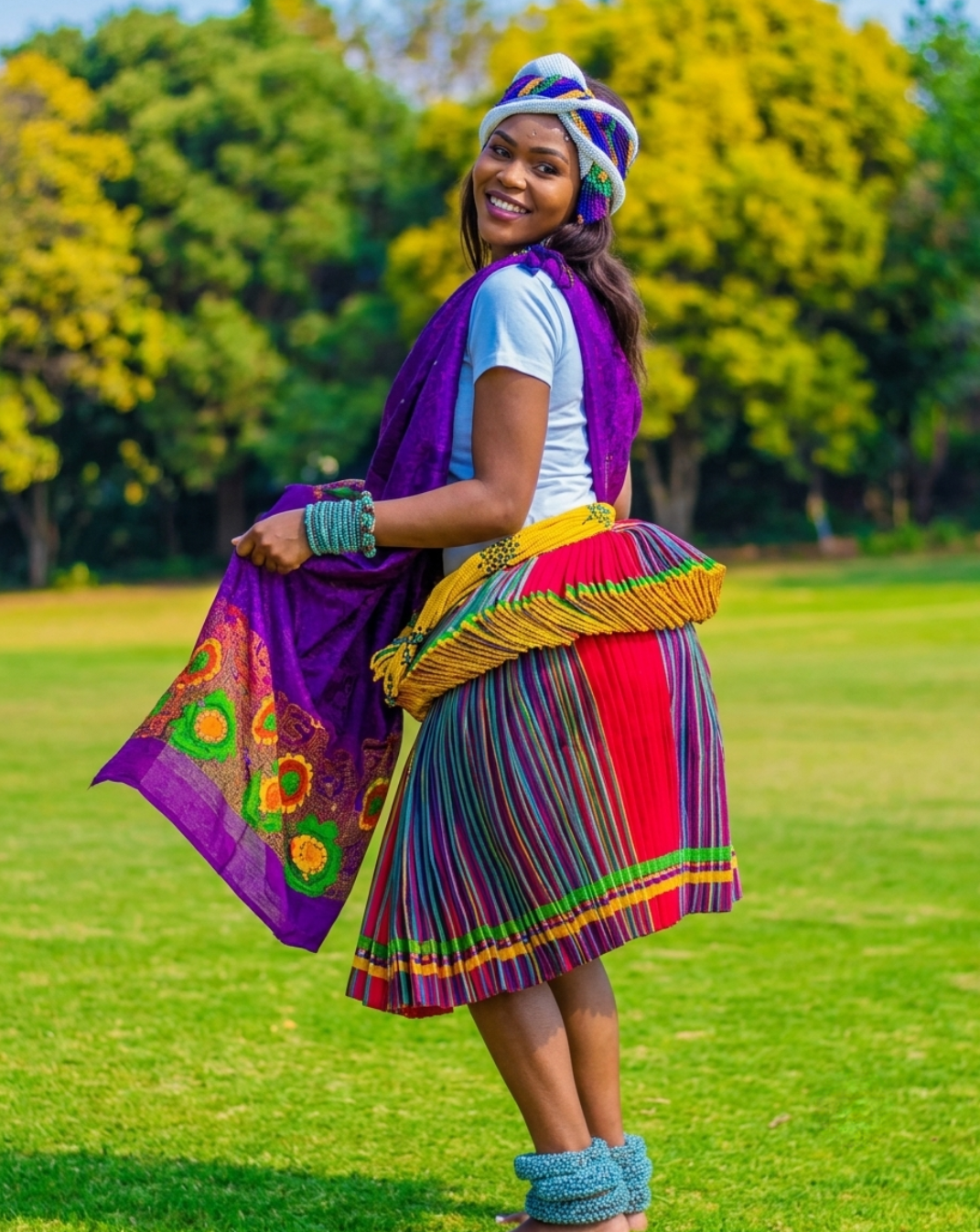
Rhythm of the Xibelani
Also known as
Tsonga
Language
Xitsonga
Population
~2.3 million
Say hello
Avuxeni
Good morning

History
A story worth telling
Image credit: Historical archive still life — My Heritage App editorial · AI-generated illustration · CC BY 4.0
The Vatsonga migrated south-west from Mozambique in successive waves, particularly after the Gaza-Nguni upheavals of the 19th century.
Sub-groups include the Shangaan, Ronga and Tswa — collectively known as Tsonga-Shangaan.
Today Vatsonga communities span north-eastern South Africa, southern Mozambique and eastern Zimbabwe.

Timeline
Key moments
Image credit: Rock art to modern landscape — My Heritage App editorial · AI-generated illustration · CC BY 4.0
c. 1500s
Tsonga clans established along the Mozambican coast.
1820s
Soshangane's Gaza kingdom absorbs many Tsonga into its ranks.
1895
Portuguese defeat Ngungunhane, ending the Gaza empire.
1975
Mozambican independence spurs Tsonga migration into South Africa.
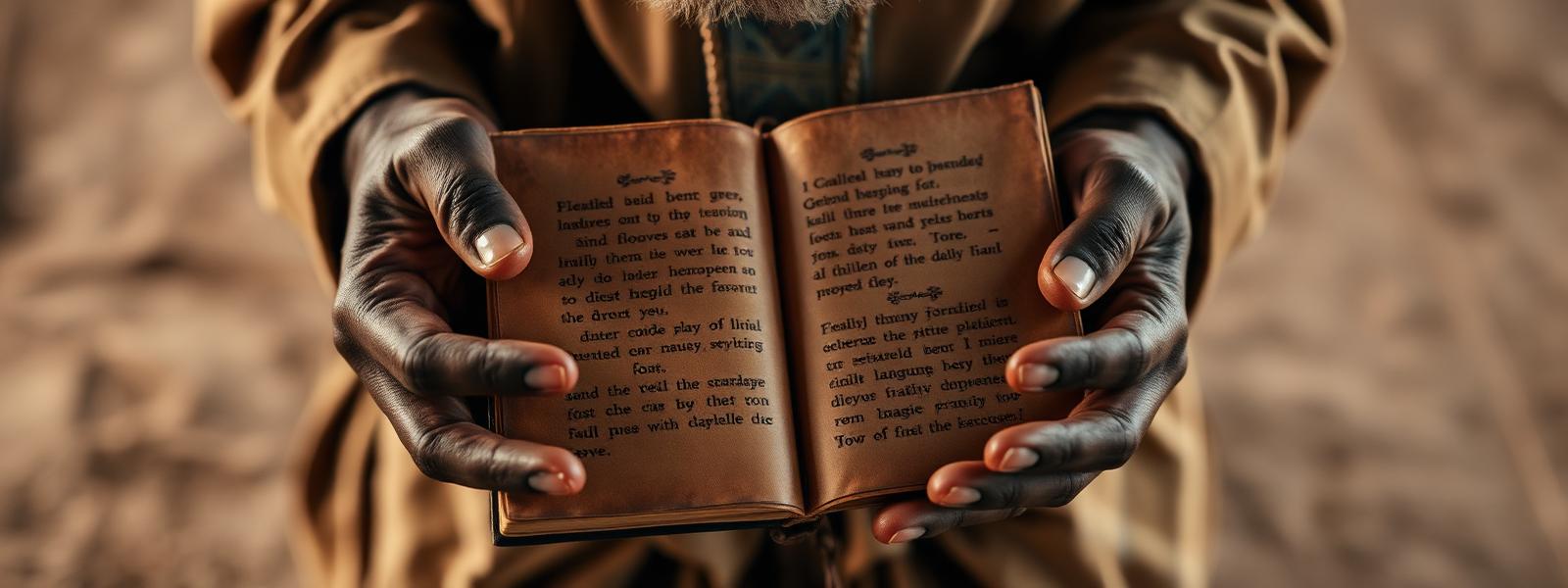
Language
Xitsonga
Image credit: Storyteller's hands and script — My Heritage App editorial · AI-generated illustration · CC BY 4.0
Xitsonga belongs to the Tswa-Ronga branch and is written with a distinctive orthography including 'x' for the 'sh' sound.
Avuxeni
Good morning
Inkomu
Thank you
U njhani?
How are you?
Sala kahle
Stay well
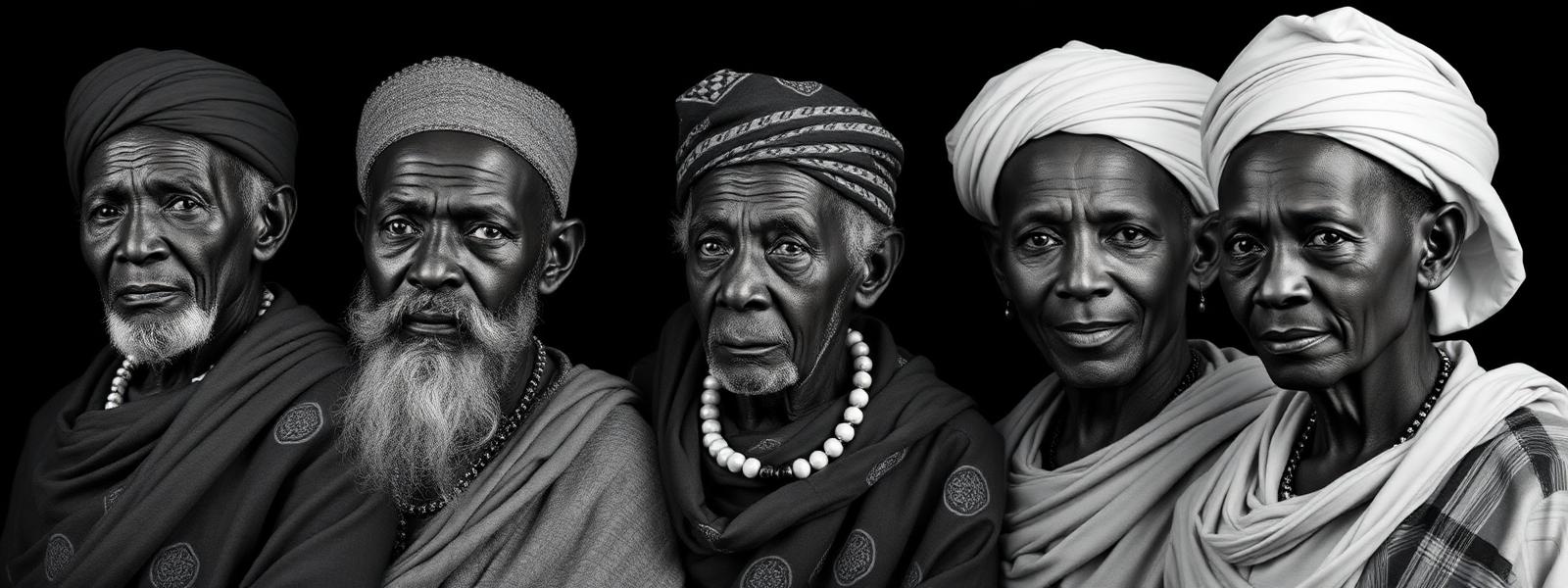
Notable figures
Voices that shaped a people
Image credit: Portrait montage of elders — My Heritage App editorial · AI-generated illustration · CC BY 4.0
Hosi Ngungunhane
Last king of the Gaza empire
Dr Thomas Chauke
Legendary Xitsonga folk musician
Sho Madjozi
Contemporary rapper who took Xibelani to a global stage
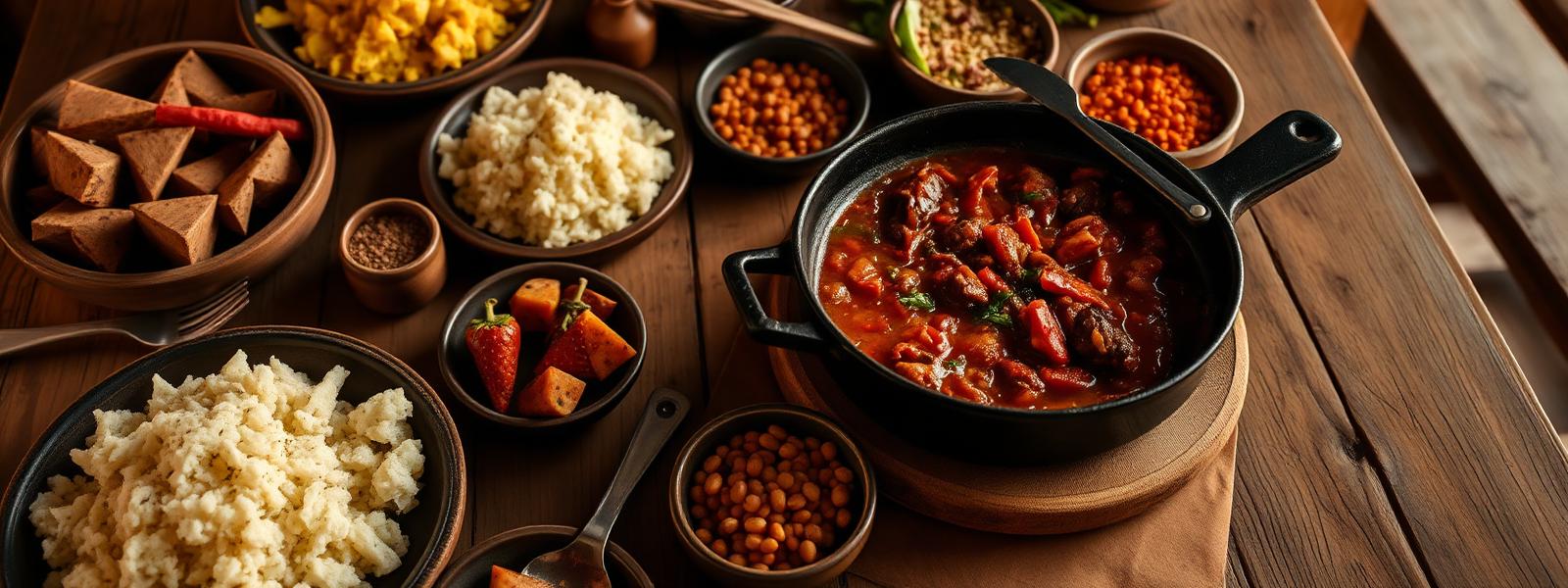
Food
From the family pot
Image credit: South African family table — My Heritage App editorial · AI-generated illustration · CC BY 4.0
Vuswa
Maize meal porridge — the daily staple.
Tihove
Boiled maize kernels with groundnuts.
Xigugu
Roasted-groundnut and maize snack.
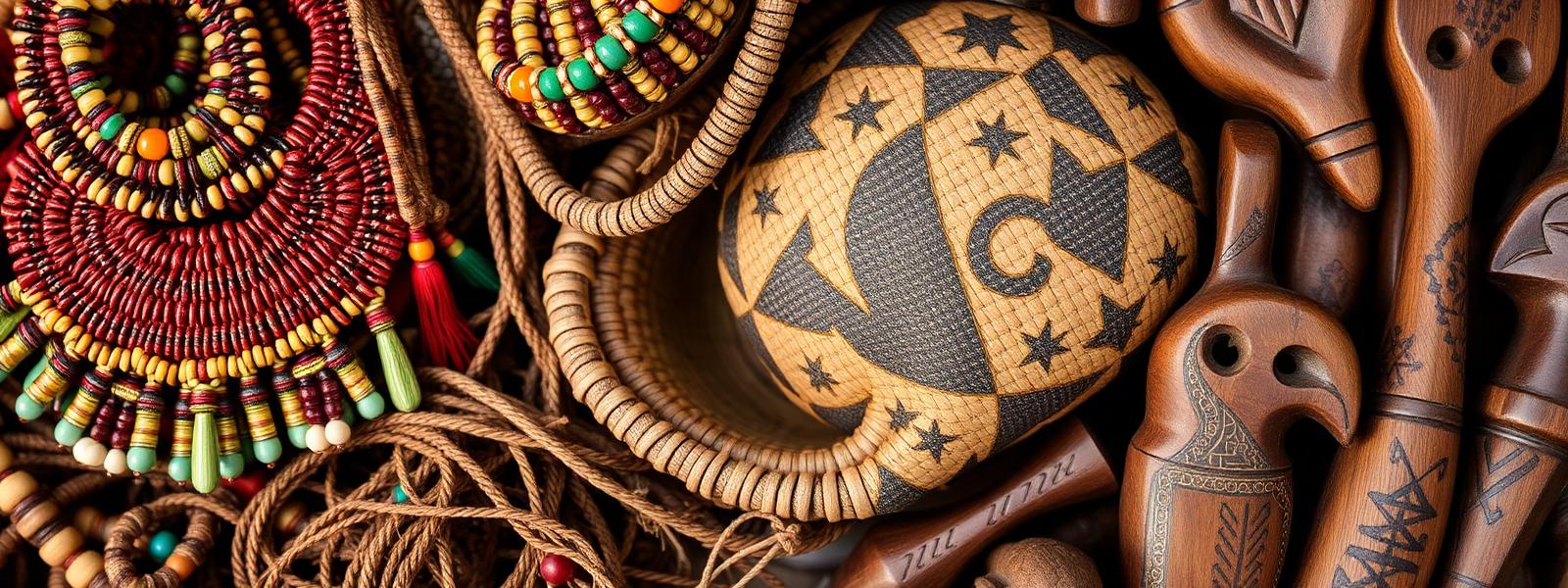
Arts & Traditions
Made by hand, kept by heart
Image credit: Beadwork, baskets and carvings — My Heritage App editorial · AI-generated illustration · CC BY 4.0
Xibelani dance
Hip-shaking dance performed in layered skirts that amplify every movement.
Marimba music
Wooden xylophones drive celebrations and church services alike.
Reed mat weaving
Xihamba mats woven from riverside reeds.
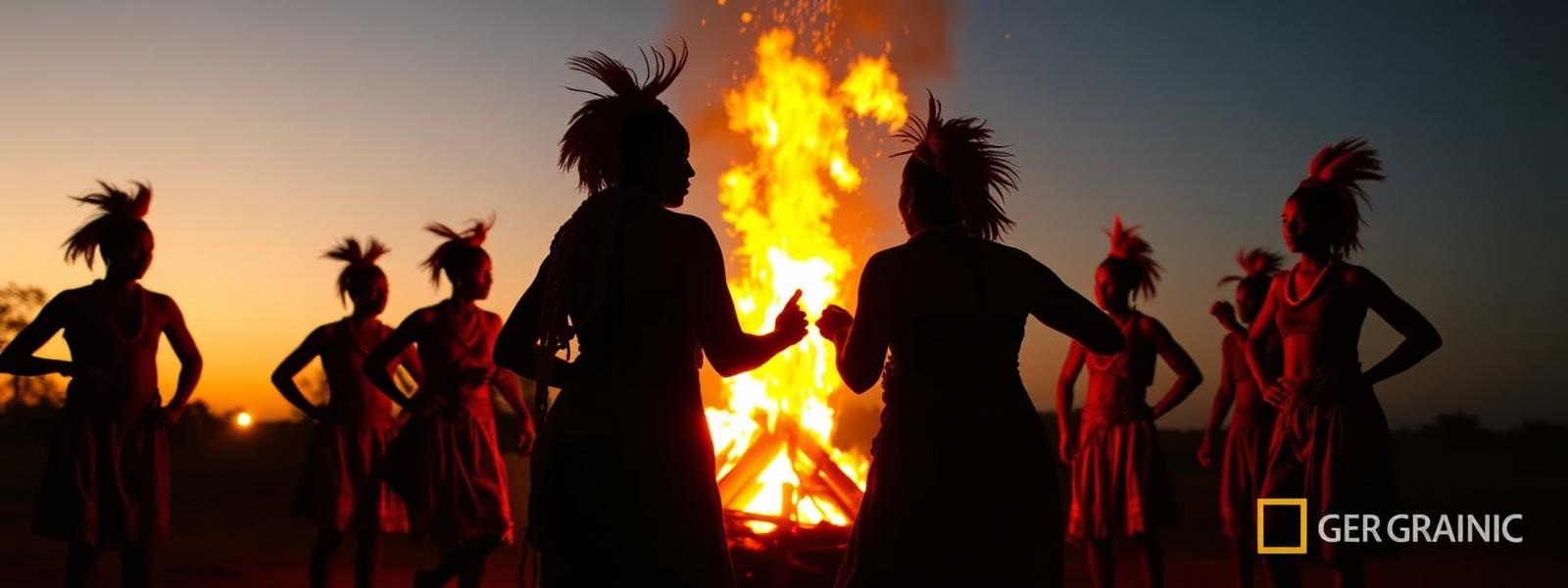
Ceremonies
Rites and rituals
Image credit: Ceremonial dancers at dusk — My Heritage App editorial · AI-generated illustration · CC BY 4.0
Ku hahlula
Divination ceremony where the n'anga throws bones to read the ancestors.
Ku tekiwa
Bridal handover ceremony with singing and gift exchange.
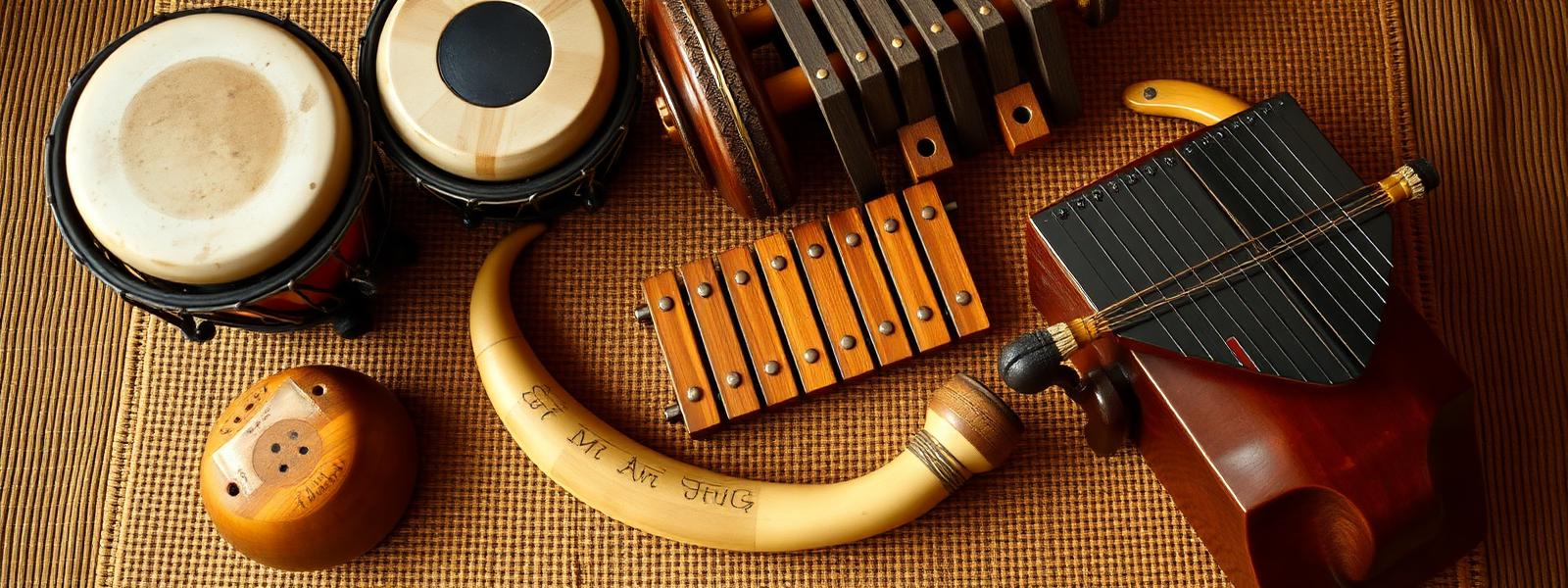
Music
Sounds of the community
Image credit: Traditional instruments — My Heritage App editorial · AI-generated illustration · CC BY 4.0
Marimba
Wooden xylophone ensemble central to community celebrations.
Xigubu drum
Deep bass drum that anchors Xibelani dance.

Etiquette
Visiting with respect
Image credit: A warm two-handed greeting — My Heritage App editorial · AI-generated illustration · CC BY 4.0
- Greet in the morning with 'Avuxeni' and in the afternoon with 'Inhlekanhi'.
- Bring a small gift of sugar or tea when visiting a rural homestead.
- Compliment the drummer — rhythm carries the ceremony.
Gallery
Through the lens
Community-contributed photography coming soon. Have images to share? Get in touch.
Further reading
Go deeper
Quick recap
Test what you learned
Three quick questions. Earn 20 XP per correct answer and keep your daily streak alive.
Q1. Which greeting means "good morning" in Xitsonga?
Q2. Which dish is described as: "Maize meal porridge — the daily staple."?
Q3. Which tradition is known as: "Hip-shaking dance performed in layered skirts that amplify every movement."?
Did you know
The global hit 'Pata Pata' by Miriam Makeba drew on Tsonga rhythms and dance vocabulary.
AI Heritage Assistant
Curious about Tsonga traditions?
Ask culturally-grounded questions and get warm, respectful answers.