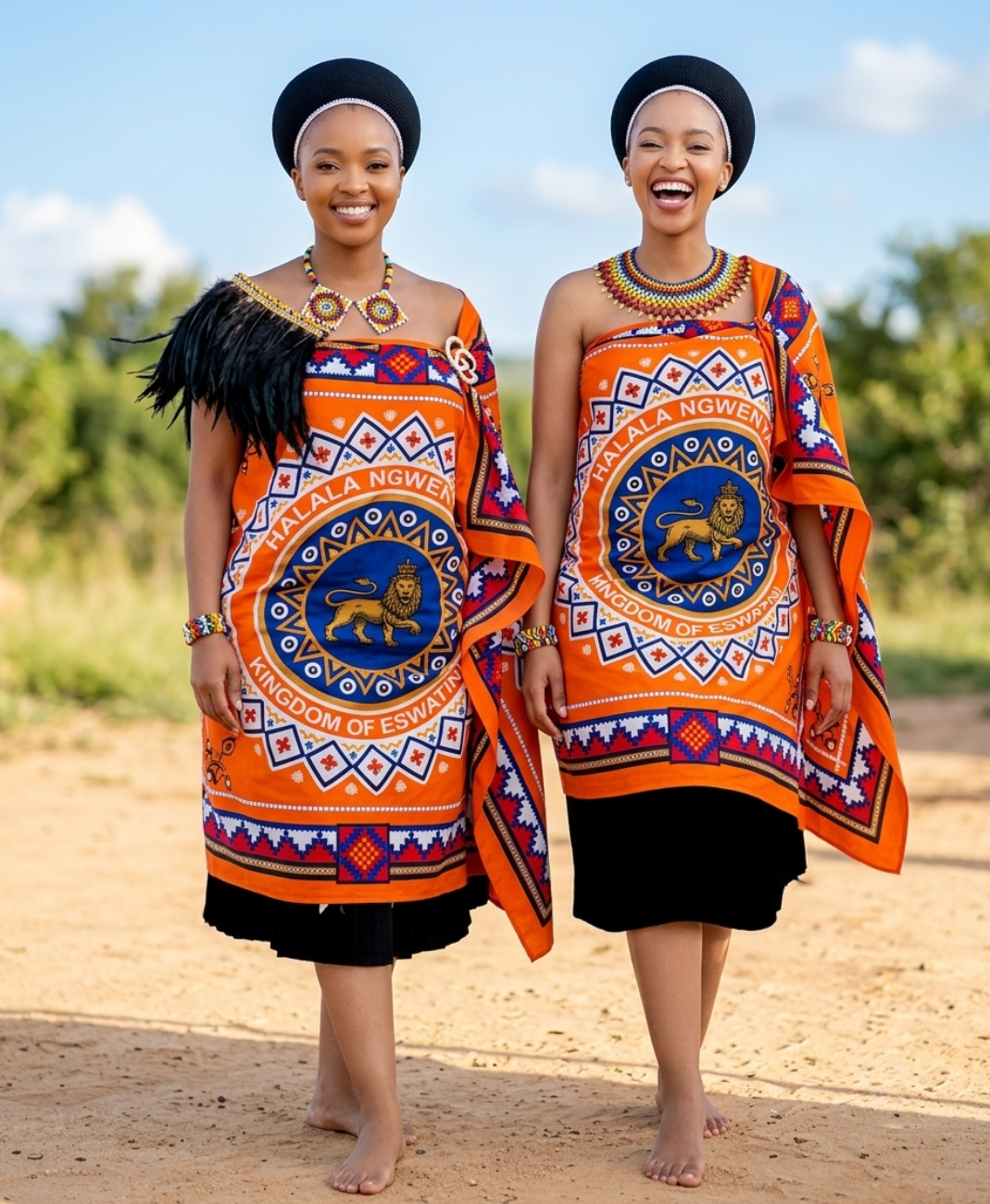
emaSwati
Guardians of Incwala
Also known as
Swati
Language
siSwati
Population
~1.3 million (SA); ~1.2 million (Eswatini)
Say hello
Sawubona
Hello
History
A story worth telling
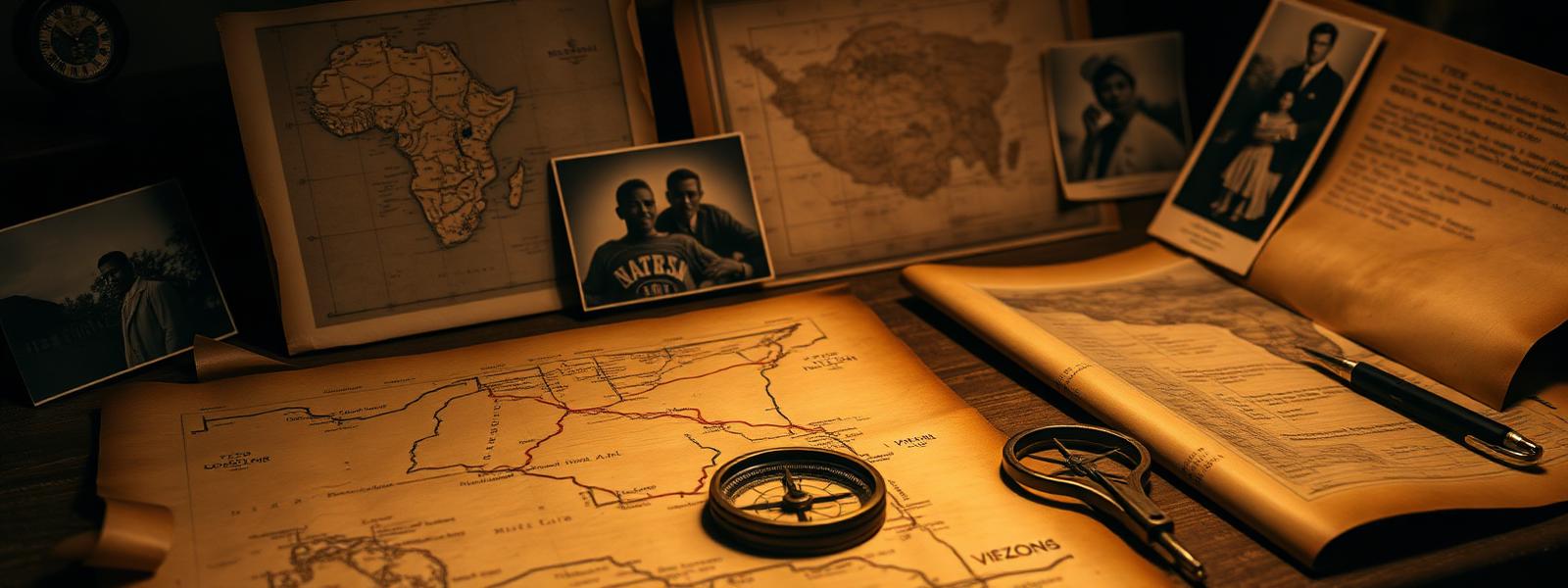
Image credit: Historical archive still life — My Heritage App editorial · AI-generated illustration · CC BY 4.0
The emaSwati emerged as a unified kingdom in the 18th century under Ngwane III, who is considered the founder of the nation.
King Mswati II expanded the kingdom in the 1840s; the country of Eswatini is named after him.
Cross-border ties between South African emaSwati (Mpumalanga) and Eswatini remain strong through family and ceremony.

Timeline
Key moments
Image credit: Rock art to modern landscape — My Heritage App editorial · AI-generated illustration · CC BY 4.0
1745
Ngwane III, considered the founder-king, leads the emaSwati south from Mozambique.
1840s
King Mswati II expands the kingdom; the nation later takes his name.
1968
Swaziland gains independence from Britain.
2018
King Mswati III renames the country Eswatini.
Language
siSwati
Image credit: Storyteller's hands and script — My Heritage App editorial · AI-generated illustration · CC BY 4.0
siSwati is a Nguni language closely related to isiZulu, but with softer consonants and distinctive vocabulary.
Sawubona
Hello (I see you)
Ngiyabonga
Thank you
Unjani?
How are you?
Sala kahle
Stay well
Notable figures
Voices that shaped a people
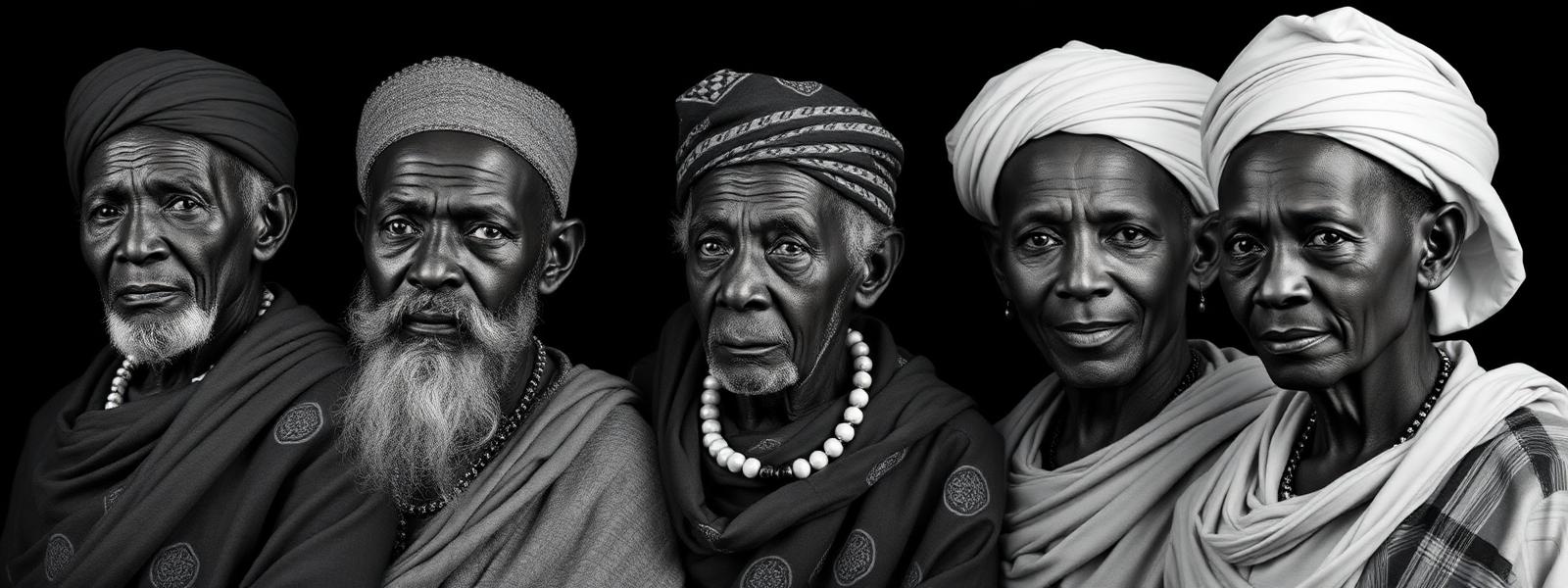
Image credit: Portrait montage of elders — My Heritage App editorial · AI-generated illustration · CC BY 4.0
King Sobhuza II
Longest-reigning modern monarch (82 years on the throne)
Indlovukazi (Queen Mother)
Co-ruler alongside the king in Swati tradition
Bholoja
'Swazi Soul' musician blending mbube and folk
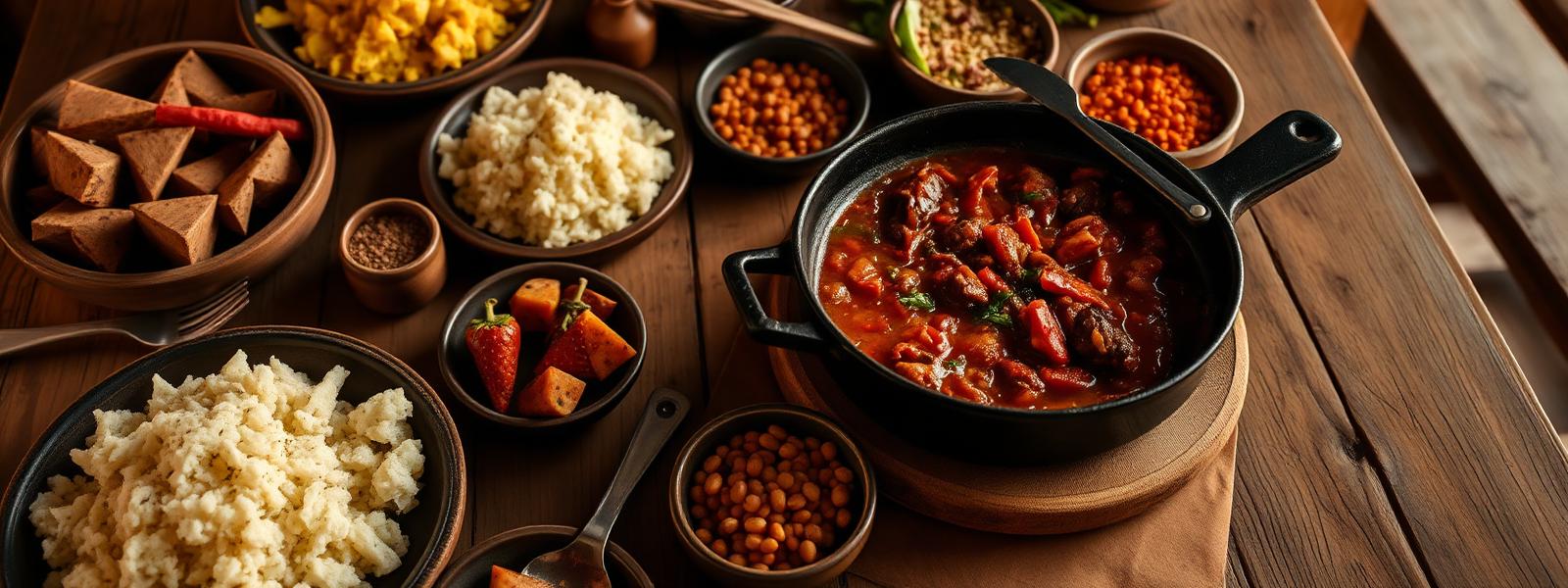
Food
From the family pot
Image credit: South African family table — My Heritage App editorial · AI-generated illustration · CC BY 4.0
Sidvudvu
Pumpkin and maize meal porridge.
Sishwala
Thick porridge served with meat or vegetables.
Emasi
Fermented milk poured over porridge.
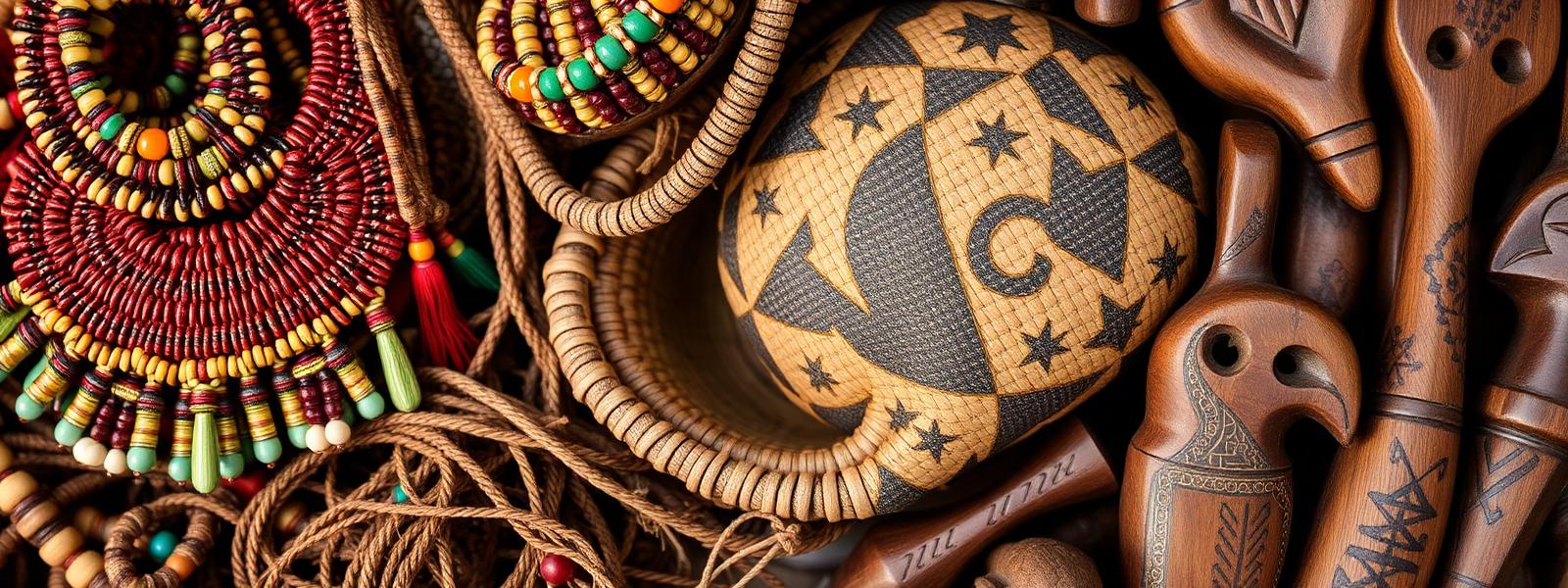
Arts & Traditions
Made by hand, kept by heart
Image credit: Beadwork, baskets and carvings — My Heritage App editorial · AI-generated illustration · CC BY 4.0
Umhlanga (Reed Dance)
Annual ceremony where thousands of young women present reeds to the Queen Mother.
Incwala
Sacred kingship ceremony marking the first fruits and renewal of the year.
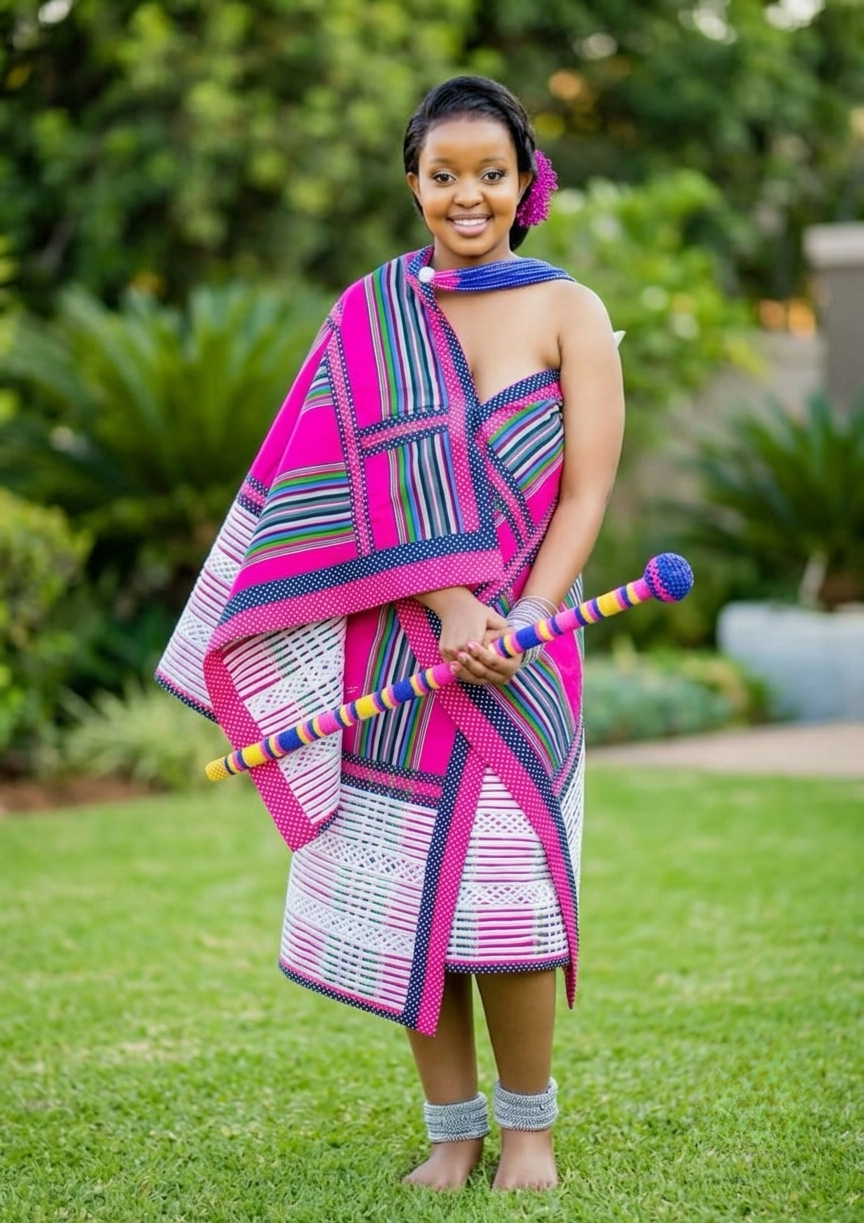
Beaded regalia
Colourful beaded belts, headbands and necklaces worn at ceremonies.
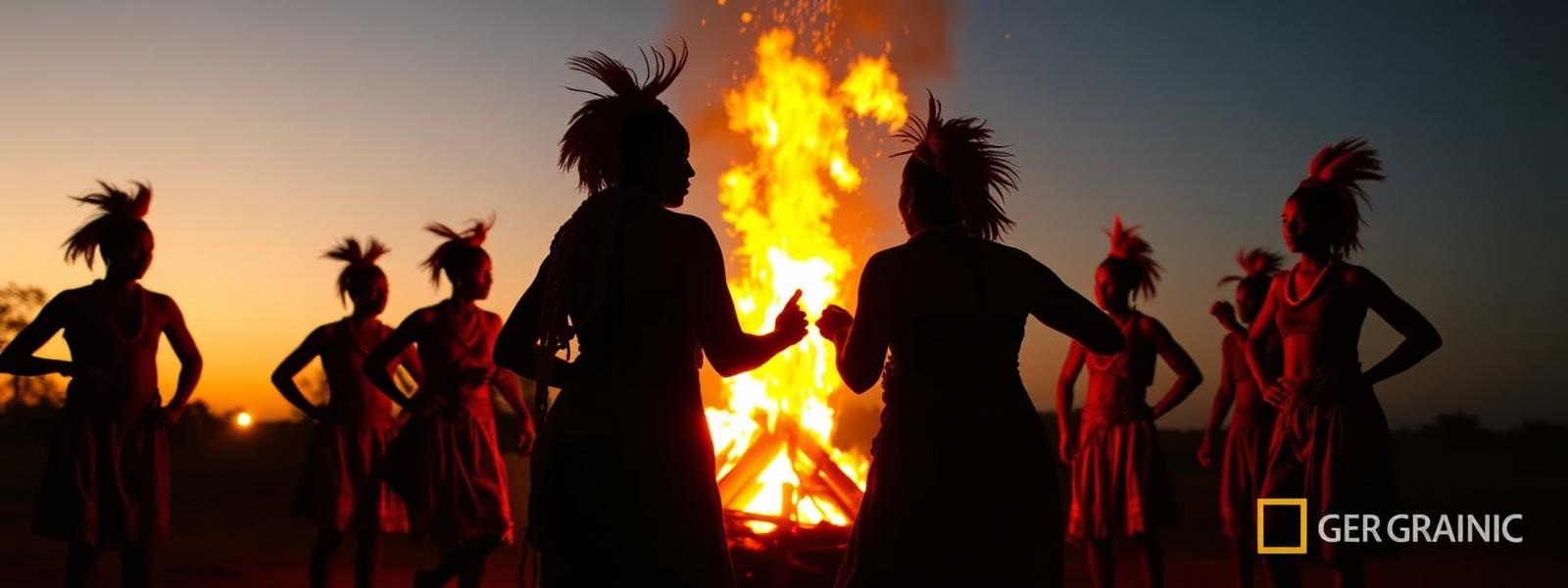
Ceremonies
Rites and rituals
Image credit: Ceremonial dancers at dusk — My Heritage App editorial · AI-generated illustration · CC BY 4.0
Umhlanga (Reed Dance)
Weeklong ceremony where thousands of maidens gather reeds for the Queen Mother's kraal.
Incwala
Sacred first-fruits ceremony renewing the king and the nation each summer solstice.
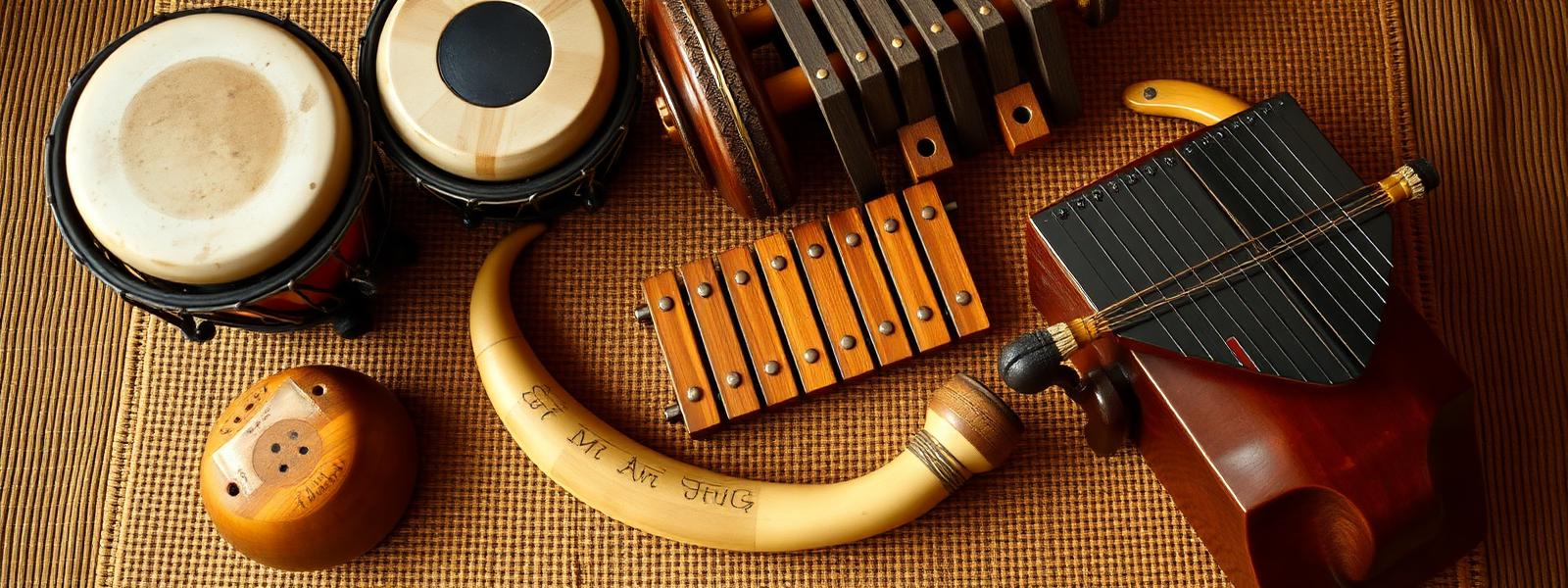
Music
Sounds of the community
Image credit: Traditional instruments — My Heritage App editorial · AI-generated illustration · CC BY 4.0
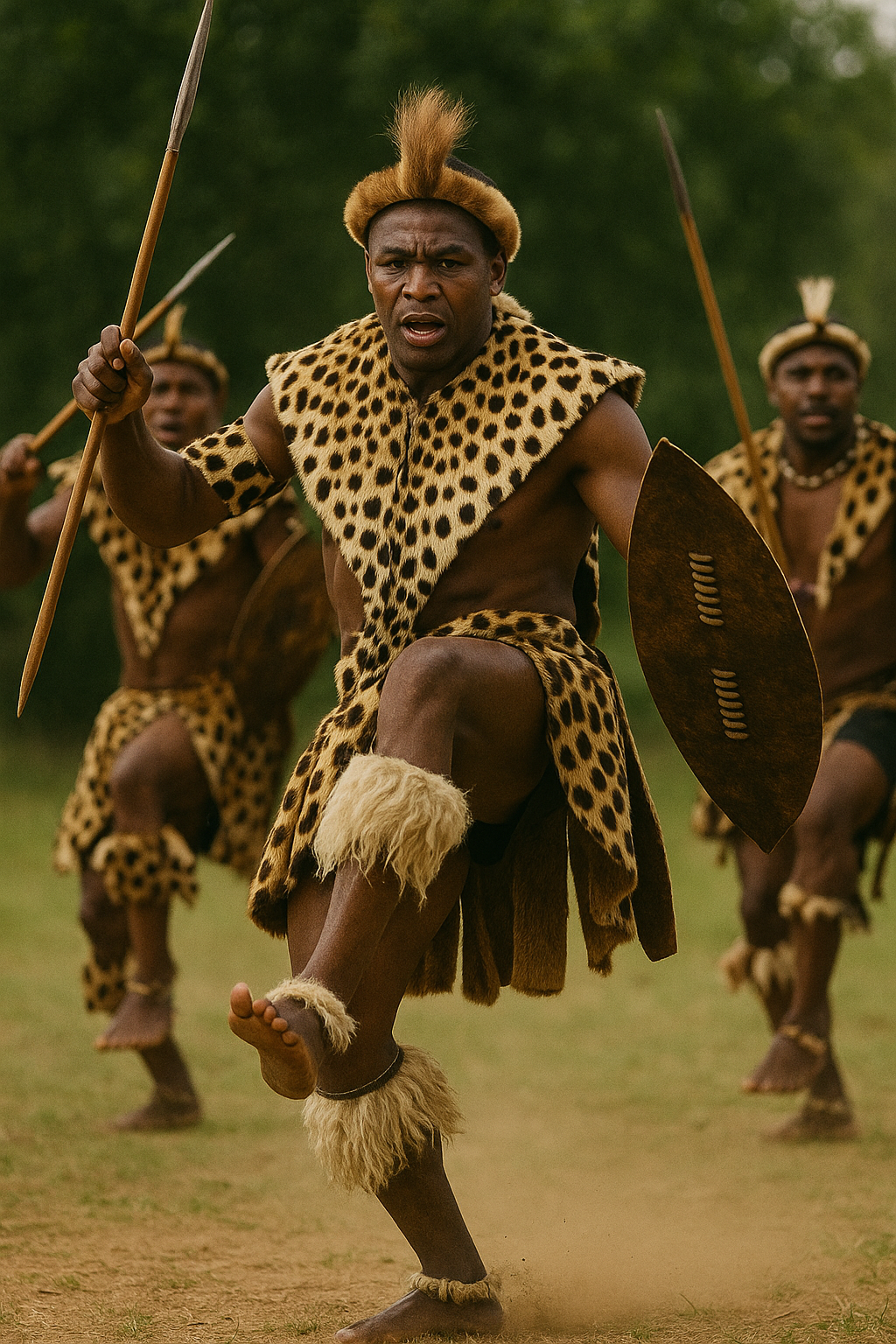
Sibhaca dance
High-kicking male dance performed in tight formation.
Imbube
Deep male choral tradition sung a cappella.

Etiquette
Visiting with respect
Image credit: A warm two-handed greeting — My Heritage App editorial · AI-generated illustration · CC BY 4.0
- Do not photograph the king or sacred ceremonies without permission.
- Address elders with 'Make' (mother) or 'Babe' (father) followed by their surname.
- Cover shoulders and knees when visiting a royal residence.
Gallery
Through the lens
Community-contributed photography coming soon. Have images to share? Get in touch.
Further reading
Go deeper
Quick recap
Test what you learned
Three quick questions. Earn 20 XP per correct answer and keep your daily streak alive.
Q1. Which greeting means "hello" in siSwati?
Q2. Which dish is described as: "Pumpkin and maize meal porridge."?
Q3. Which tradition is known as: "Annual ceremony where thousands of young women present reeds to the Queen Mother."?
Did you know
Eswatini (formerly Swaziland) is one of the world's last absolute monarchies, ruled jointly by the King and Queen Mother.
AI Heritage Assistant
Curious about Swati traditions?
Ask culturally-grounded questions and get warm, respectful answers.