
Bapedi
The Northern Sotho
Also known as
Pedi
Language
Sepedi (Northern Sotho)
Population
~4.7 million
Say hello
Thobela
Hello (respectful)

History
A story worth telling
Image credit: Historical archive still life — My Heritage App editorial · AI-generated illustration · CC BY 4.0
The Bapedi kingdom rose in the 18th century under Thulare, controlling much of the eastern Transvaal.
King Sekhukhune resisted both Boer and British incursions in the 1870s, becoming a symbol of independence.
The Pedi heartland lies in Limpopo, around the Leolo mountains and Sekhukhuneland.
Timeline
Key moments
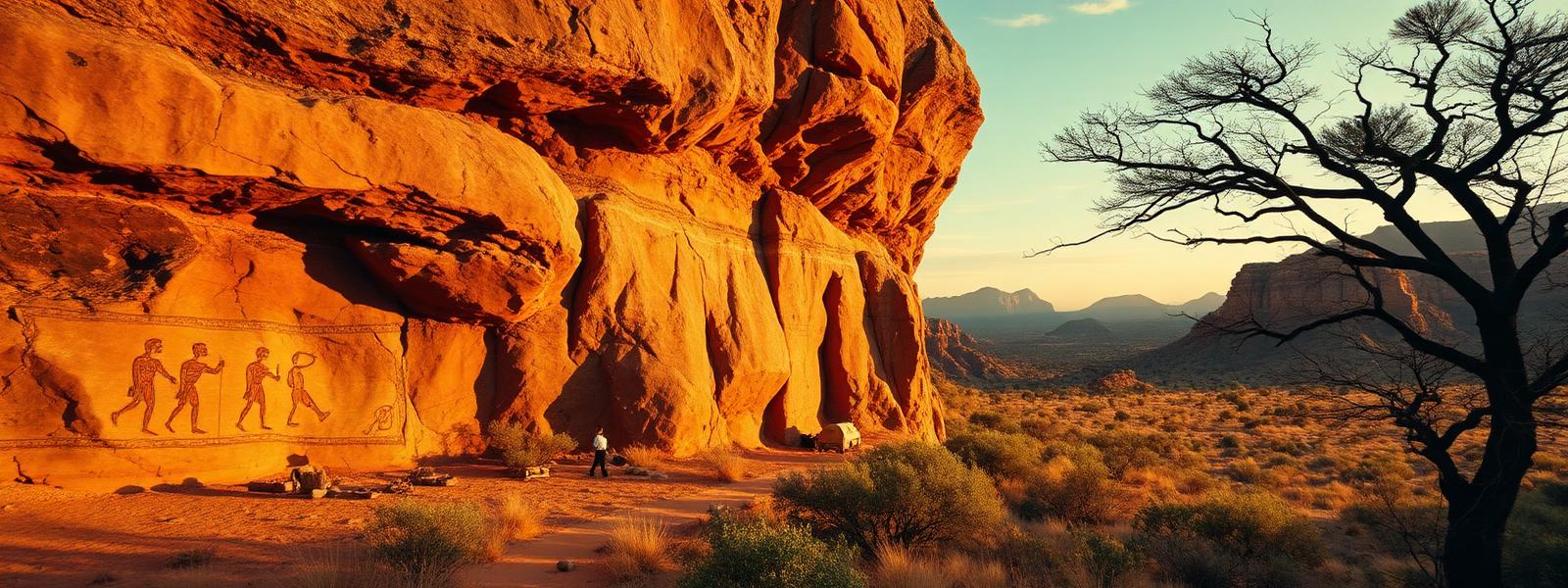
Image credit: Rock art to modern landscape — My Heritage App editorial · AI-generated illustration · CC BY 4.0
1700s
Kgosi Thulare I unifies the Bapedi around the Leolo mountains.
1879
King Sekhukhune I's fortress falls to a joint British-Swazi force.
1958
Sekhukhuneland Revolt against apartheid-imposed chieftaincies.
2007
Kgošikgolo Thulare III recognised as paramount king of the Bapedi.
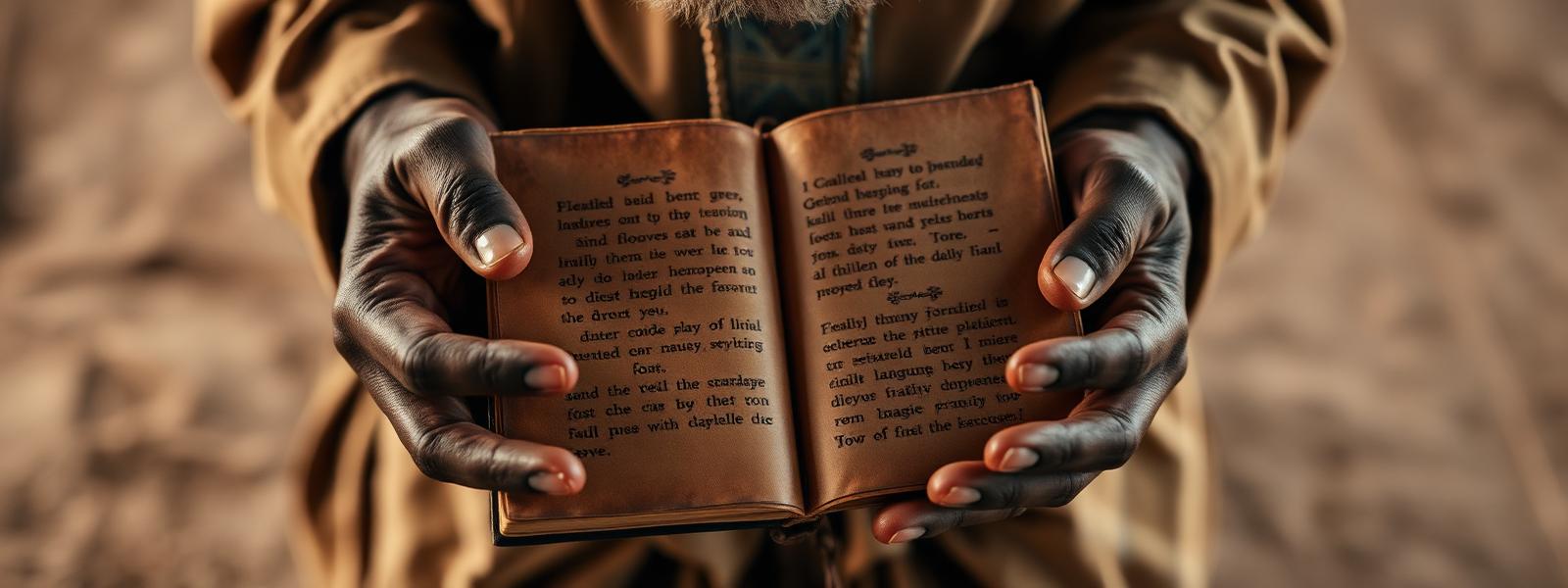
Language
Sepedi (Northern Sotho)
Image credit: Storyteller's hands and script — My Heritage App editorial · AI-generated illustration · CC BY 4.0
Sepedi is the official name for Northern Sotho — one of the eleven official languages, closely related to Sesotho and Setswana.
Thobela
Hello (respectful)
Ke a leboga
Thank you
O kae?
How are you?
Sepela gabotse
Go well
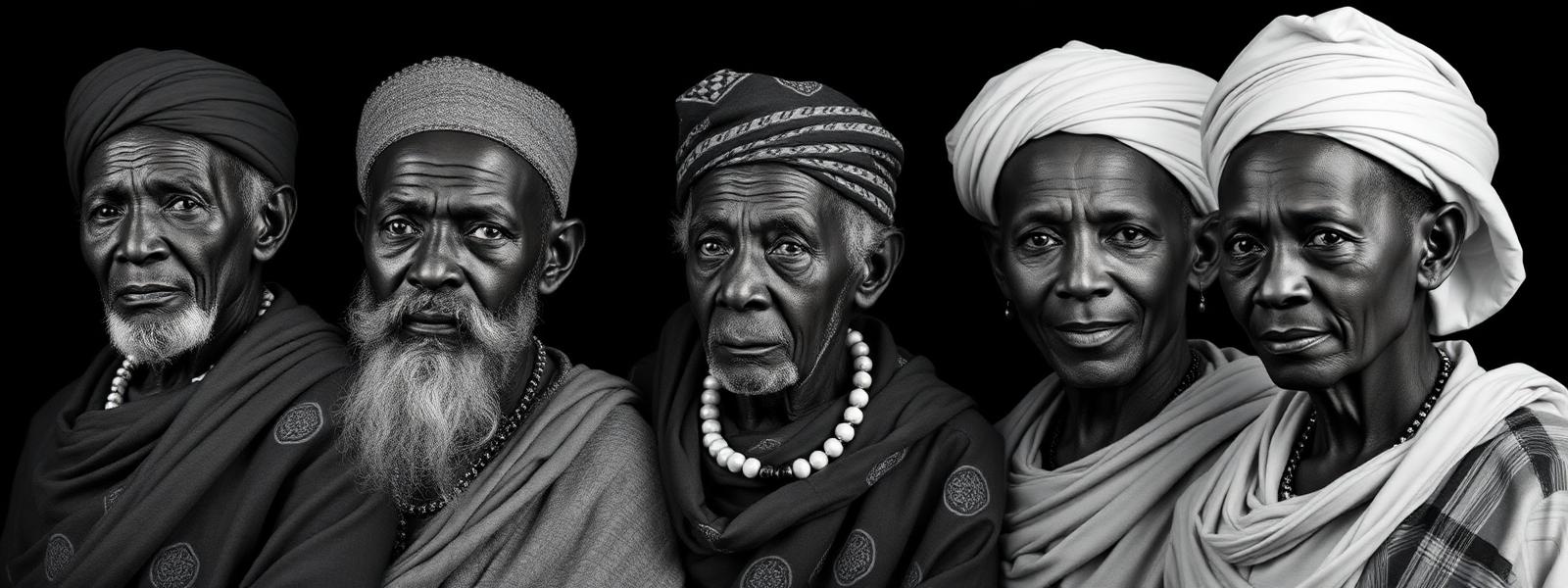
Notable figures
Voices that shaped a people
Image credit: Portrait montage of elders — My Heritage App editorial · AI-generated illustration · CC BY 4.0
King Sekhukhune I
19th-century warrior-king and symbol of resistance
Dr Alfred Moleah
Diplomat and Pan-African scholar
Lebo M
Composer behind the vocal score of The Lion King
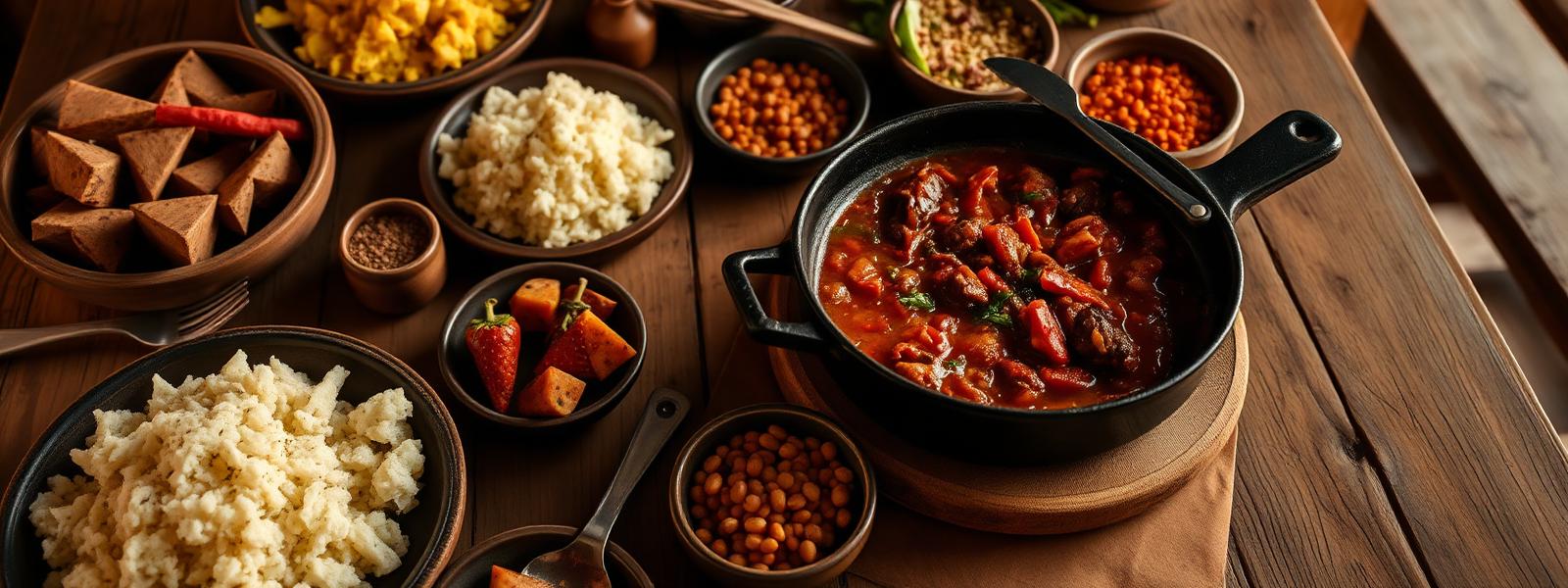
Food
From the family pot
Image credit: South African family table — My Heritage App editorial · AI-generated illustration · CC BY 4.0
Bogobe bja mabele
Sorghum porridge, the traditional staple.
Morogo
Wild spinach stewed with peanuts.
Dikgobe
Samp and beans, often served at ceremonies.
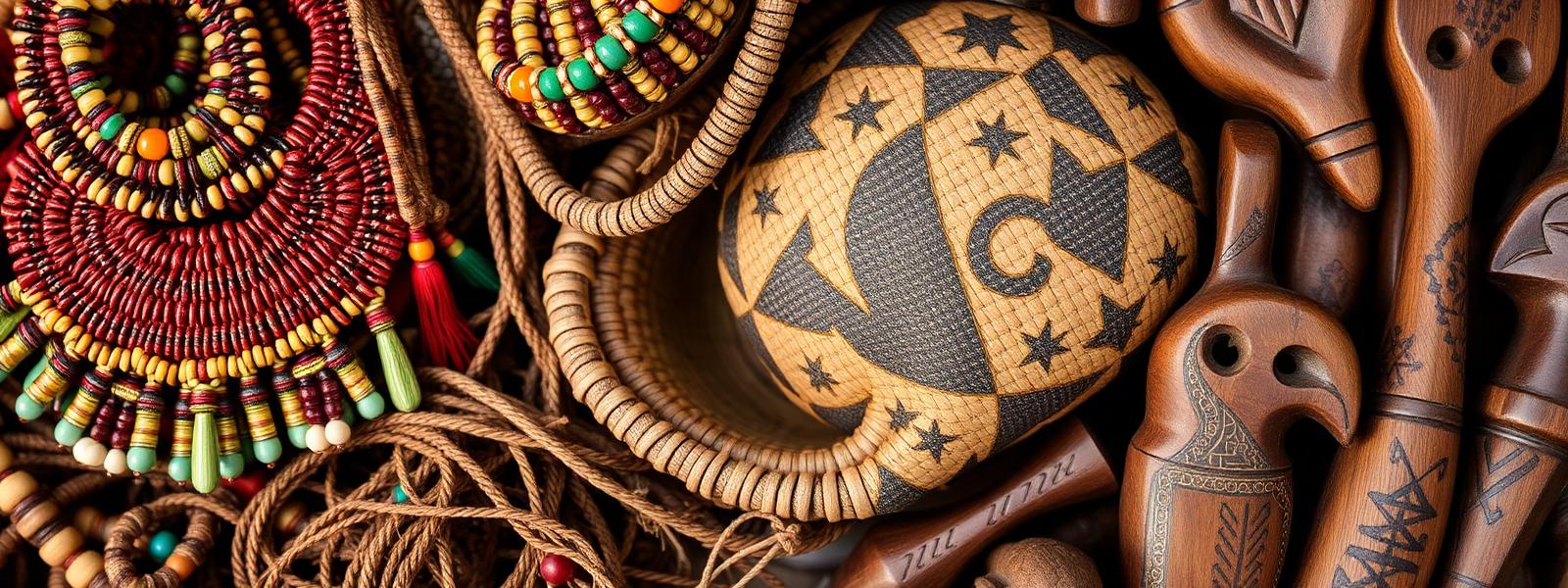
Arts & Traditions
Made by hand, kept by heart
Image credit: Beadwork, baskets and carvings — My Heritage App editorial · AI-generated illustration · CC BY 4.0
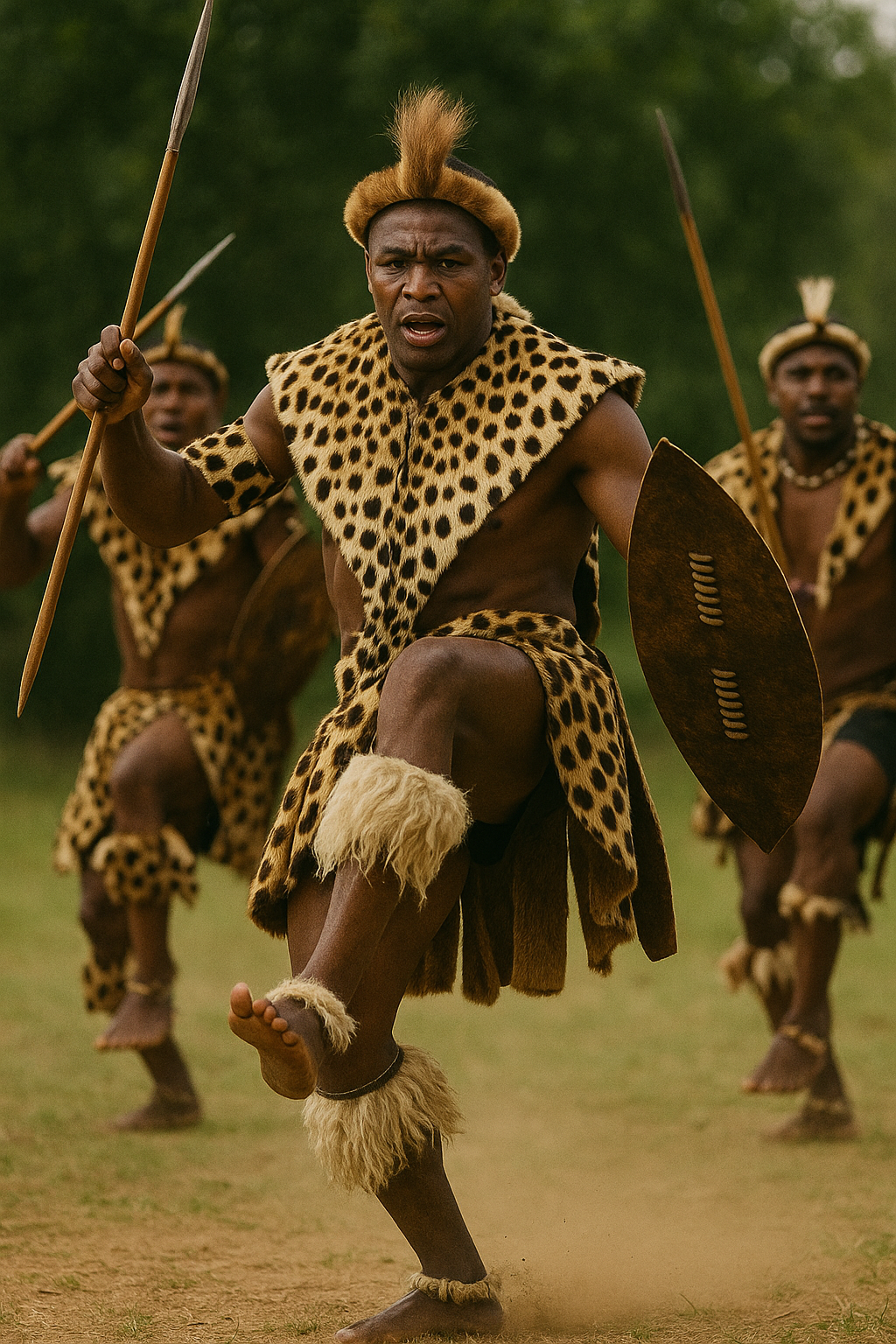
Dinaka reed pipe dance
Men play tuned reed pipes while dancing in intricate formation.
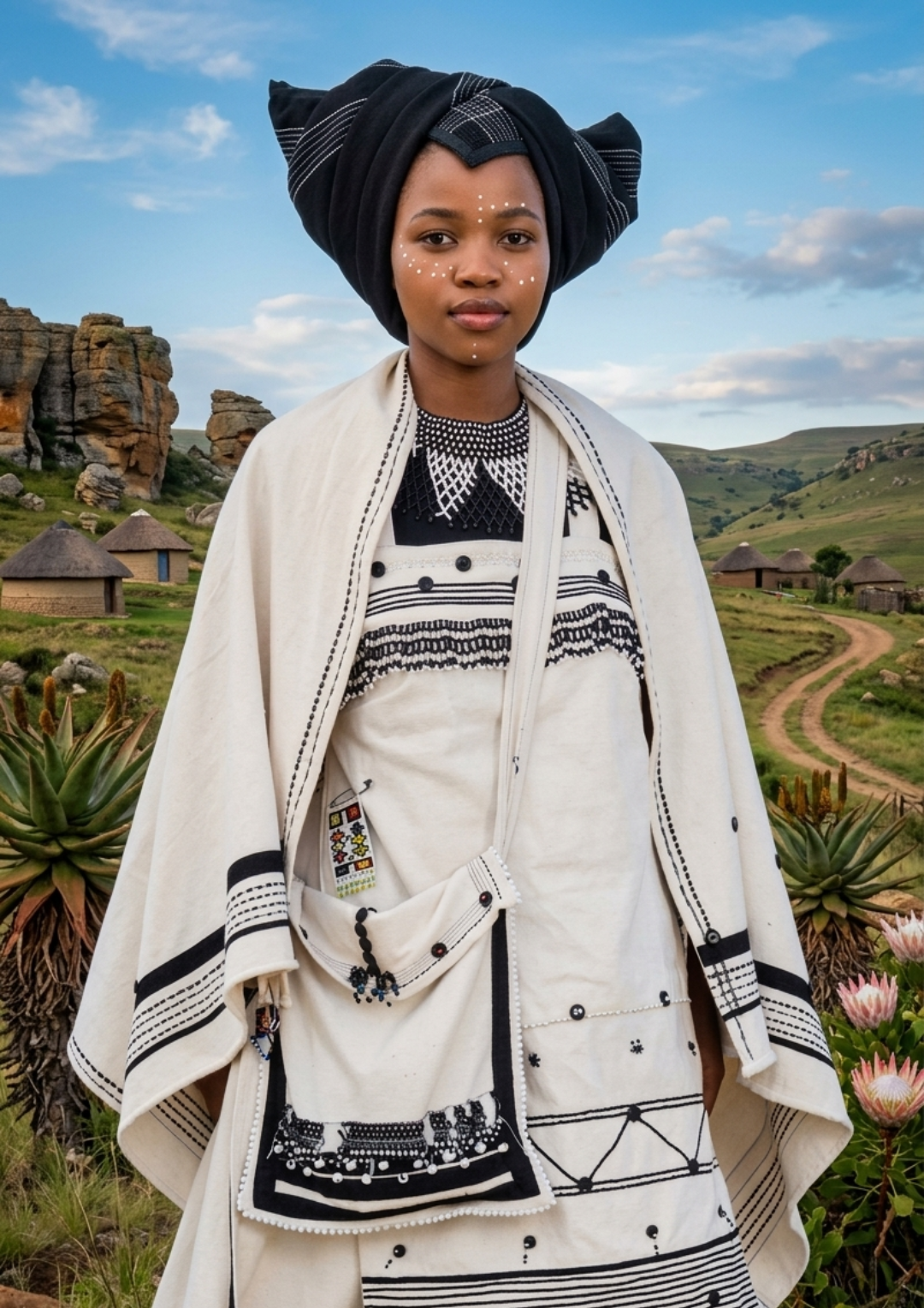
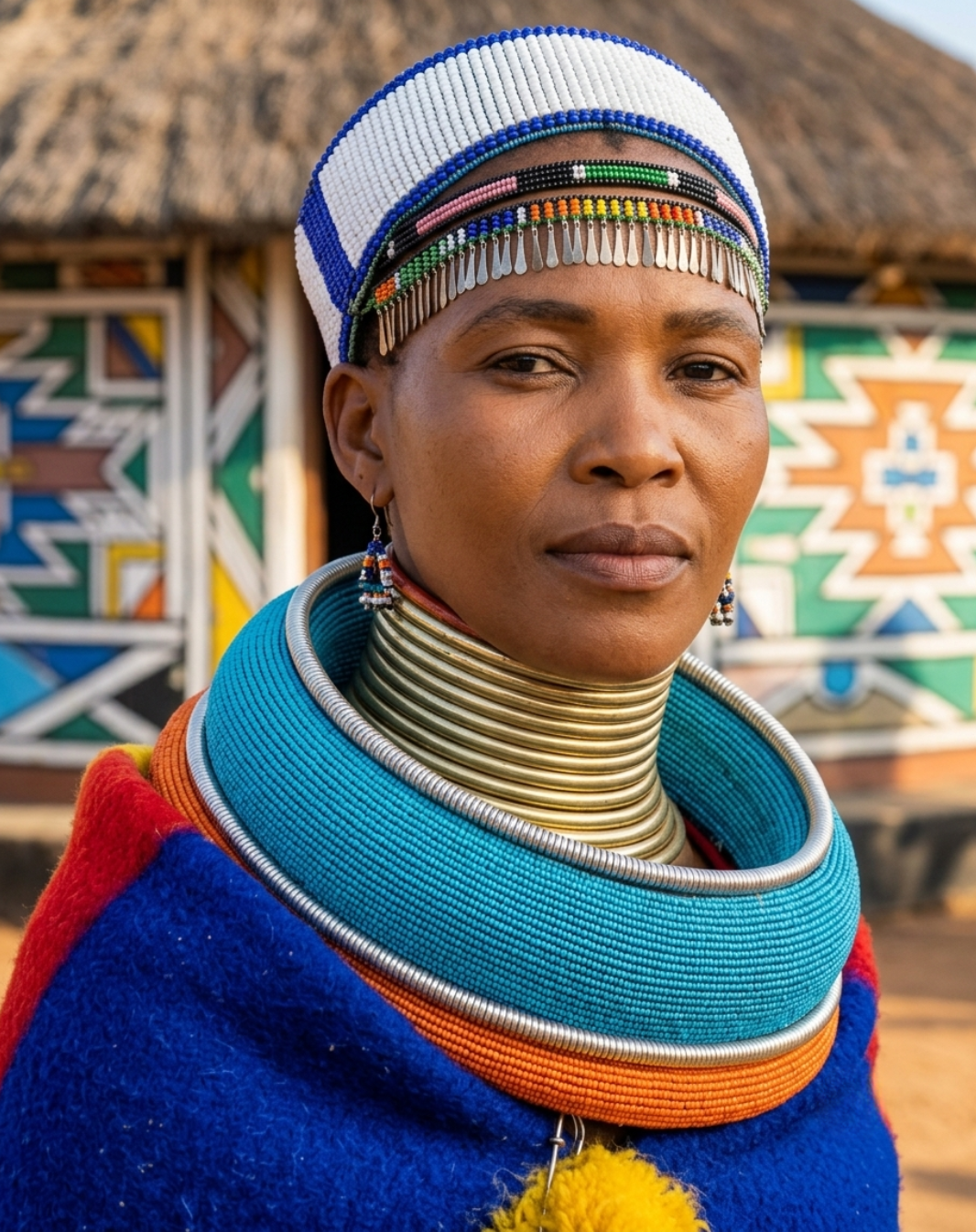
Beadwork
Bright collar beadwork worn at initiation and weddings.
Metalwork
Historic iron-smelting expertise built the Pedi military power.
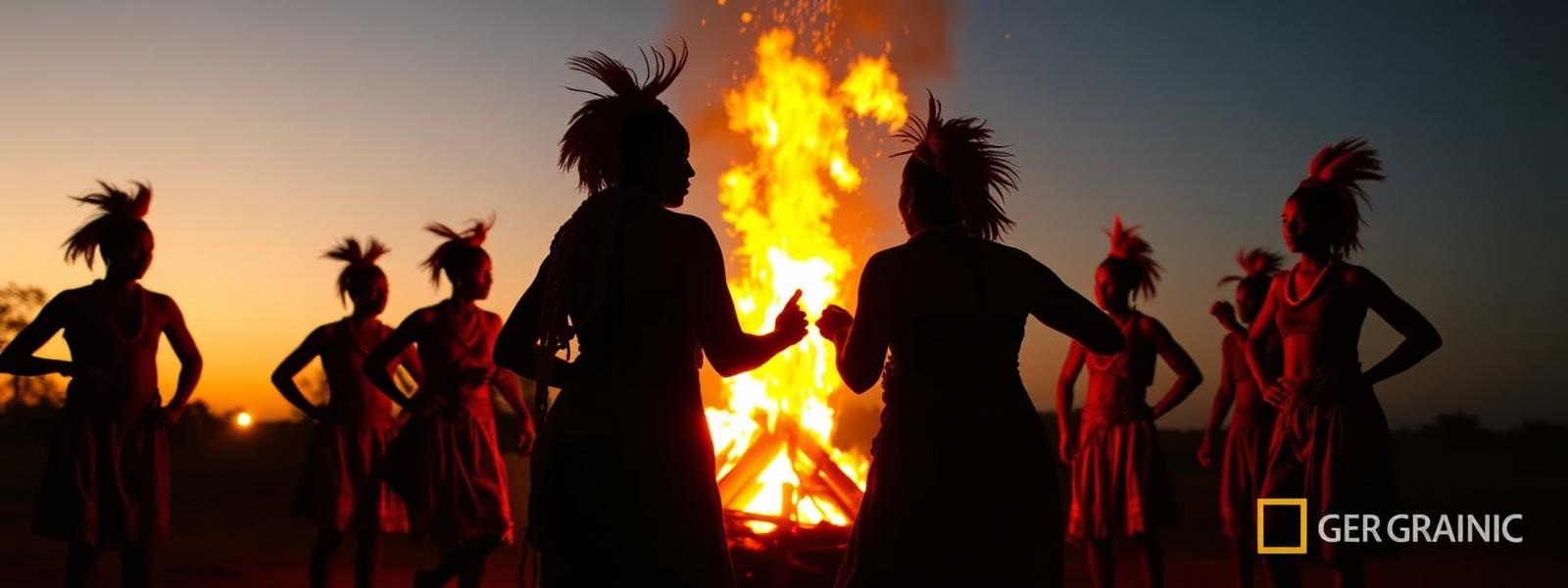
Ceremonies
Rites and rituals
Image credit: Ceremonial dancers at dusk — My Heritage App editorial · AI-generated illustration · CC BY 4.0
Koma / Byale
Male and female initiation schools held every few years.
Go phasa badimo
Ancestral offering performed at family shrines.
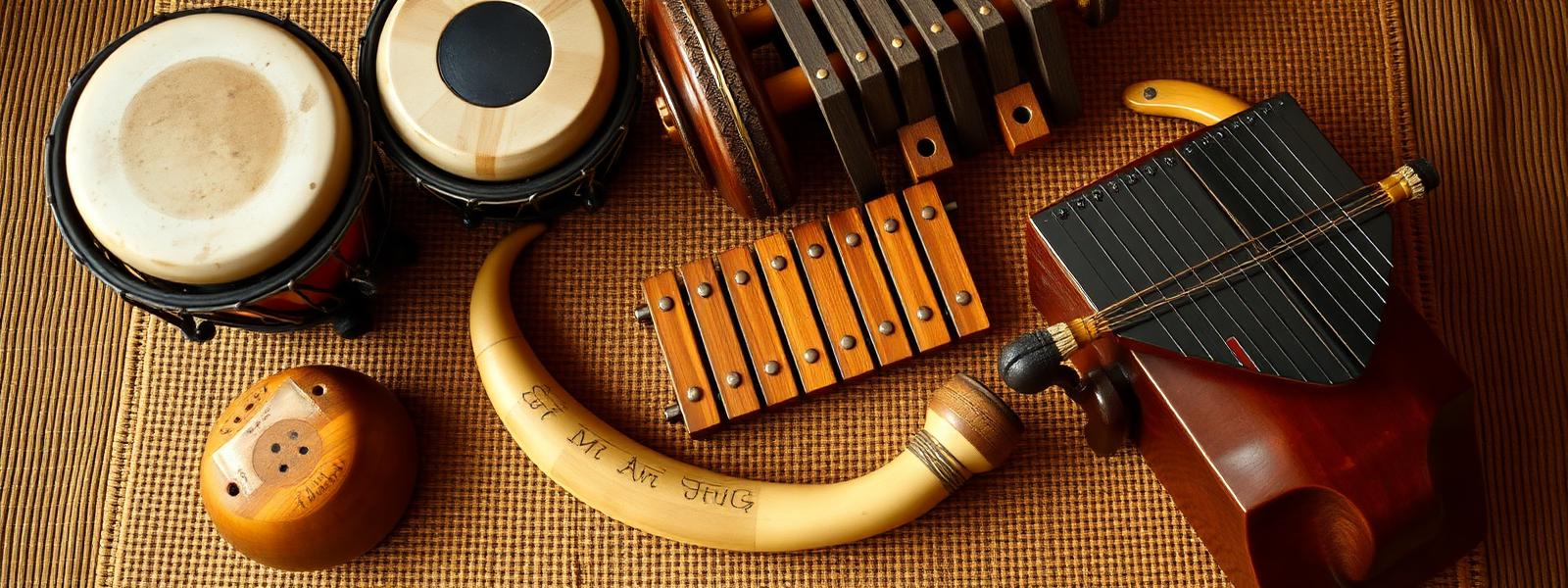
Music
Sounds of the community
Image credit: Traditional instruments — My Heritage App editorial · AI-generated illustration · CC BY 4.0
Dinaka
Tuned reed-pipe ensemble accompanied by dancing warriors.
Kiba
Migrant-worker drum and voice tradition from the Reef mines.

Etiquette
Visiting with respect
Image credit: A warm two-handed greeting — My Heritage App editorial · AI-generated illustration · CC BY 4.0
- Greet with 'Thobela' and a slight bow; add 'Kgošigadi' for a female elder.
- Never enter a kgoro (courtyard) without announcing yourself.
- Cover your shoulders when visiting a chief.
Gallery
Through the lens
Community-contributed photography coming soon. Have images to share? Get in touch.
Further reading
Go deeper
Quick recap
Test what you learned
Three quick questions. Earn 20 XP per correct answer and keep your daily streak alive.
Q1. Which greeting means "hello (respectful)" in Sepedi (Northern Sotho)?
Q2. Which dish is described as: "Sorghum porridge, the traditional staple."?
Q3. Which tradition is known as: "Men play tuned reed pipes while dancing in intricate formation."?
Did you know
Sekhukhune's mountain fortress held out against a combined British-Swazi army until 1879.
AI Heritage Assistant
Curious about Pedi traditions?
Ask culturally-grounded questions and get warm, respectful answers.