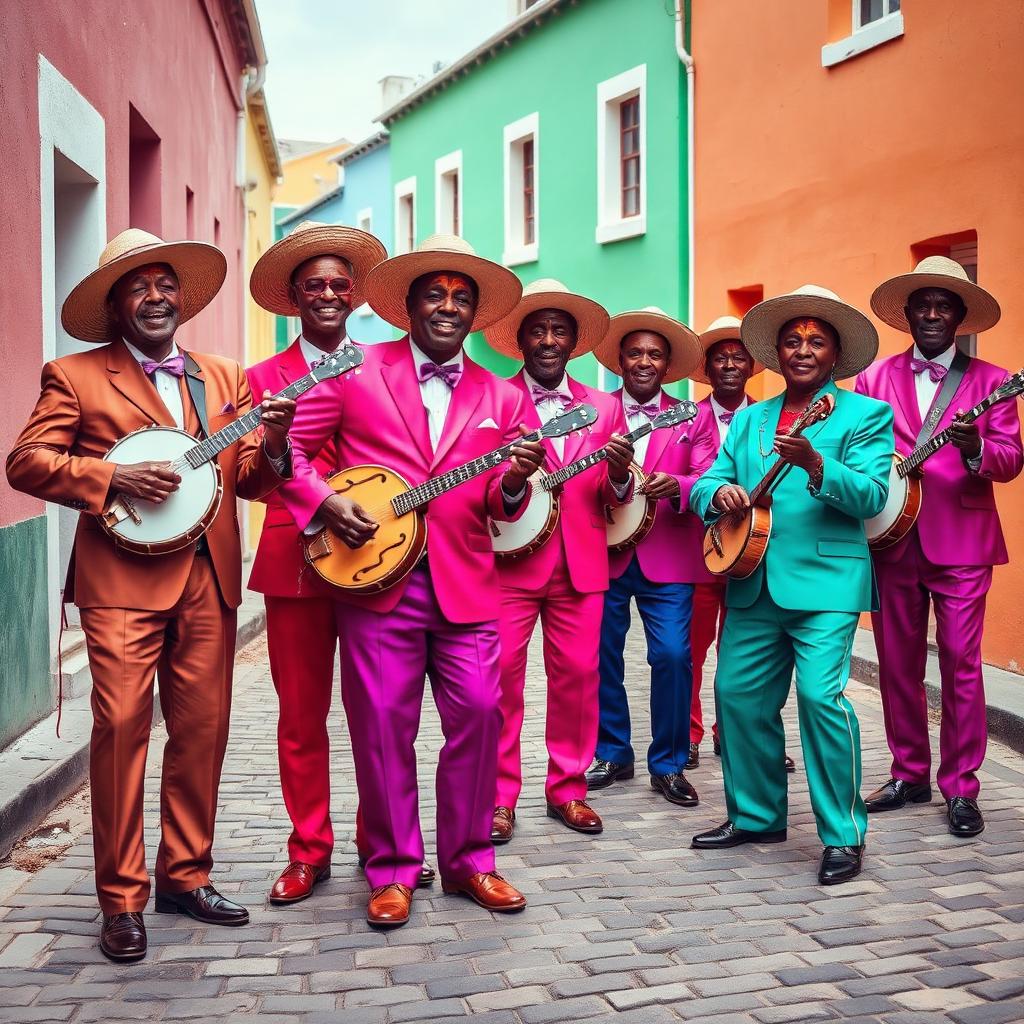
Cape Coloured & Coloured Communities
A creole heritage of the Cape
Also known as
Cape Coloured & Coloured Communities
Language
Afrikaans (Kaaps), English
Population
~5.2 million
Say hello
Naand!
Good evening (Kaaps)
History
A story worth telling
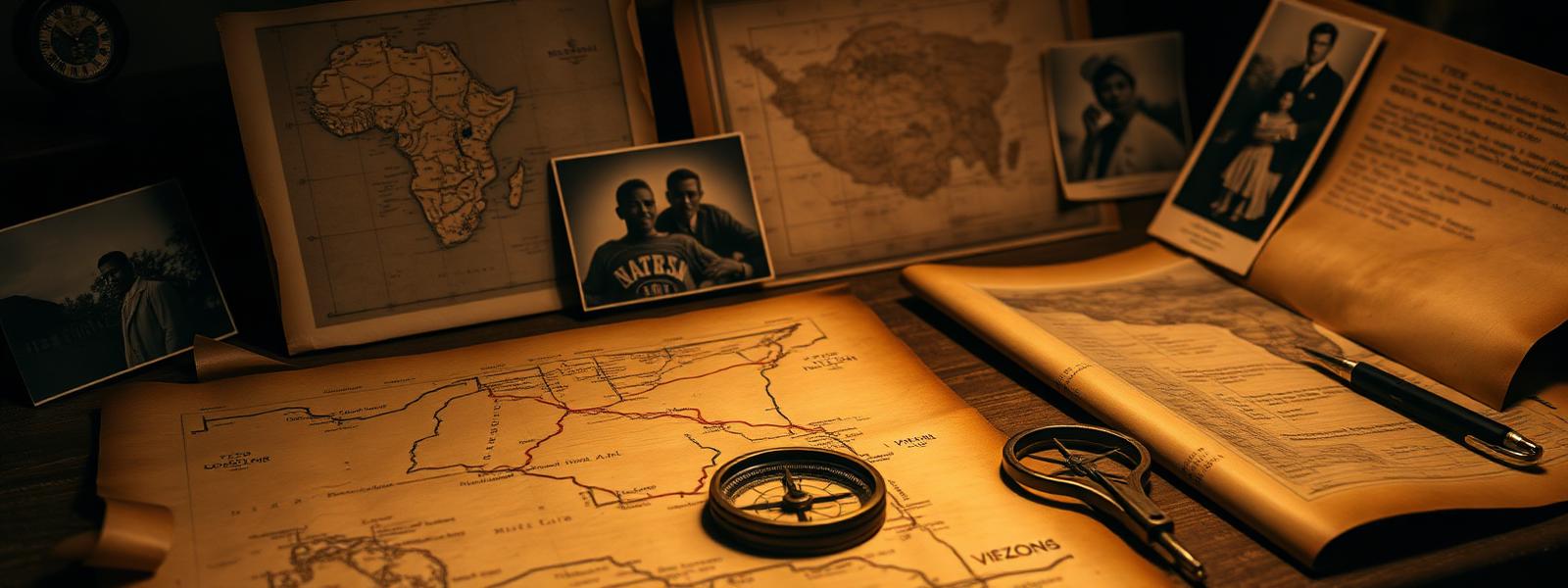
Image credit: Historical archive still life — My Heritage App editorial · AI-generated illustration · CC BY 4.0
Cape Coloured identity emerged from more than three centuries of intermixing between Khoi and San peoples, enslaved Malay, Indian and East African communities, and European settlers at the Cape.
Under apartheid, the Group Areas Act tore apart neighbourhoods like District Six in Cape Town — a wound the community still remembers each year.
Today the community is diverse and proud, spanning Cape Muslim, Griqua, Nama and rural Karoo families, each with distinct traditions.

Timeline
Key moments
Image credit: Rock art to modern landscape — My Heritage App editorial · AI-generated illustration · CC BY 4.0
1658
First enslaved people arrive at the Cape from Batavia and West Africa.
1834
Emancipation of the enslaved at the Cape.
1966
Forced removals from District Six begin under the Group Areas Act.
1994
Democracy brings recognition of Cape Coloured identity as diverse and self-defined.
Language
Afrikaans (Kaaps), English
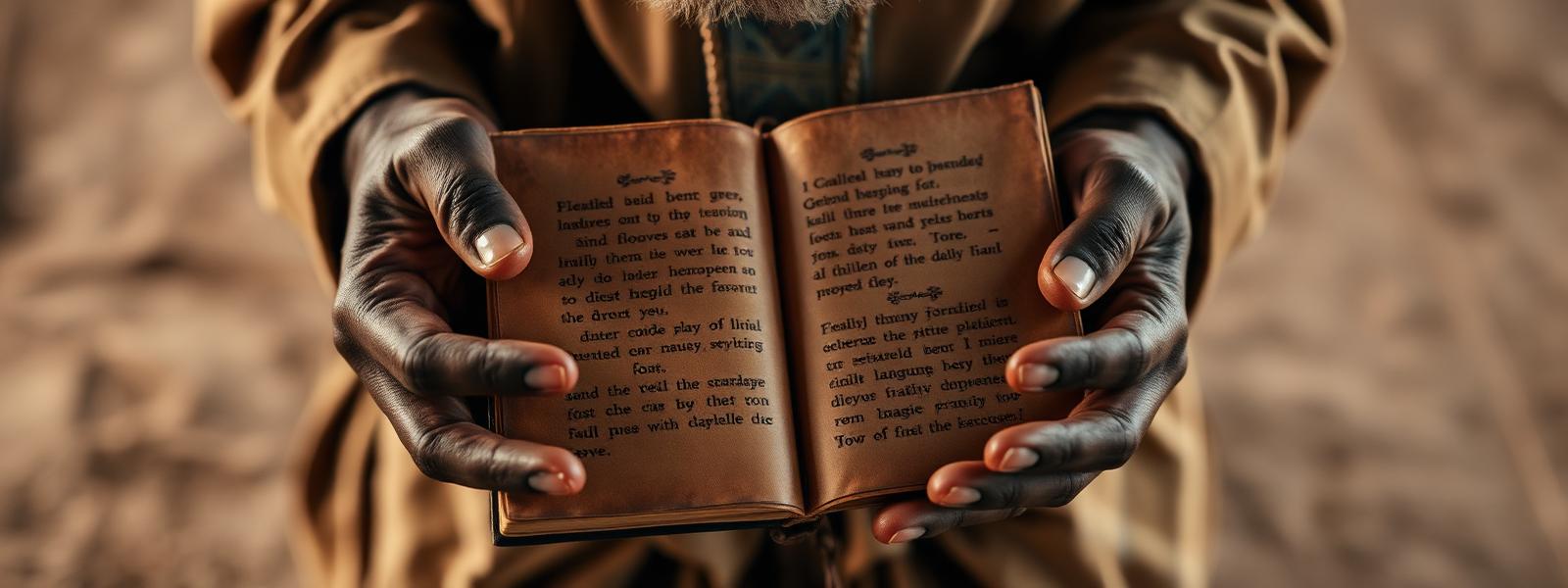
Image credit: Storyteller's hands and script — My Heritage App editorial · AI-generated illustration · CC BY 4.0
Kaaps (Cape Afrikaans) is a rich creole variety of Afrikaans, laced with Malay, English and Khoi vocabulary — the everyday tongue of the Cape Flats.
Naand!
Good evening
Dankie my broe'
Thanks, my brother
Hoezit?
How's it going?
Lekker!
Nice / great!
Notable figures
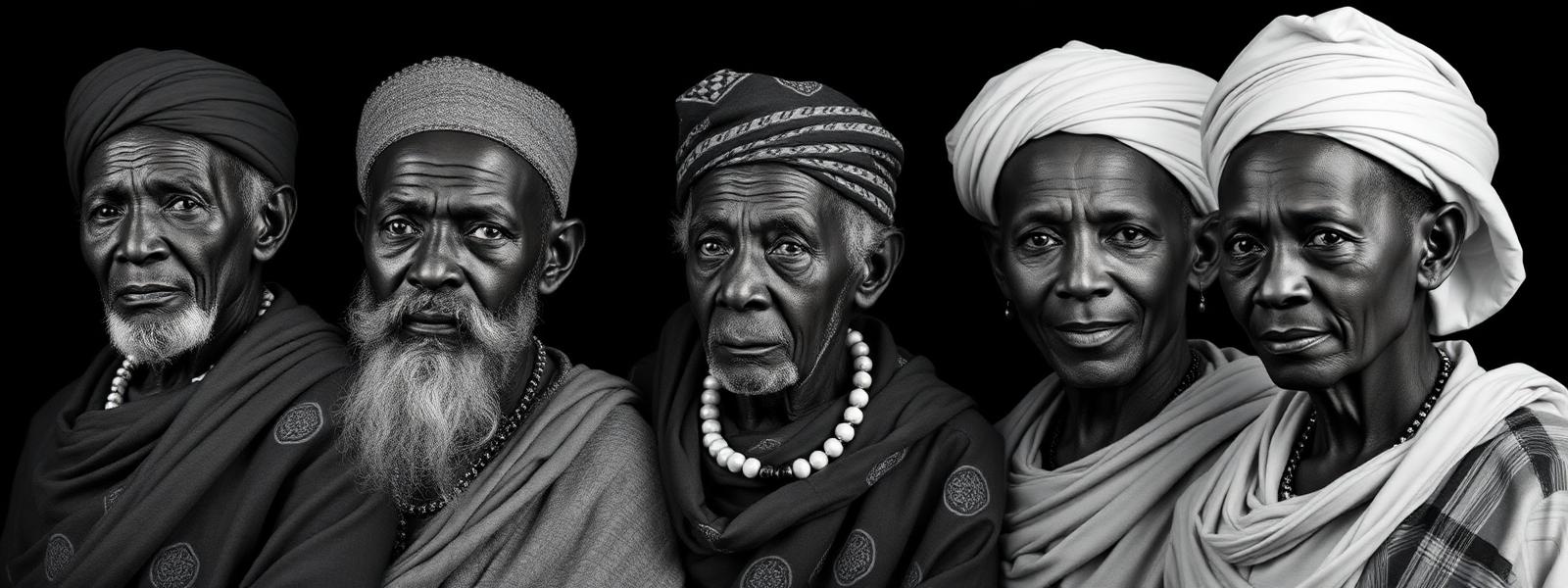
Voices that shaped a people
Image credit: Portrait montage of elders — My Heritage App editorial · AI-generated illustration · CC BY 4.0
Adam Small
Kaaps poet and playwright — author of 'Kanna hy kô hystoe'
Basil February
MK freedom fighter, one of the first killed in the Wankie campaign
Trevor Noah
Global comedian raised in Johannesburg's mixed-race community
Dr Neville Alexander
Educator, revolutionary and language rights activist
Food
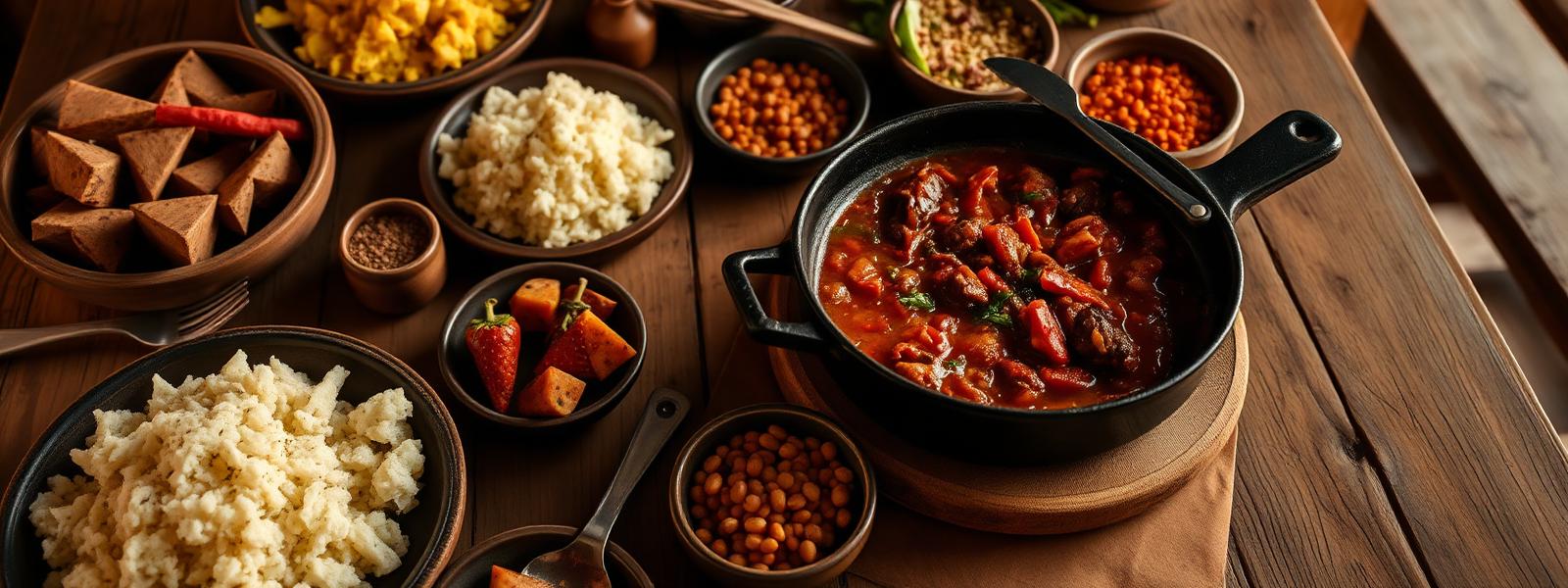
From the family pot
Image credit: South African family table — My Heritage App editorial · AI-generated illustration · CC BY 4.0
Cape Malay bobotie
Aromatic sweet-and-savoury mince bake, spiced with turmeric and raisins.
Gatsby
Foot-long roll stuffed with chips, masala steak and pickles — a Cape Flats institution.
Koeksisters (Cape Malay)
Spiced dough plaits soaked in syrup and rolled in coconut.
Arts & Traditions
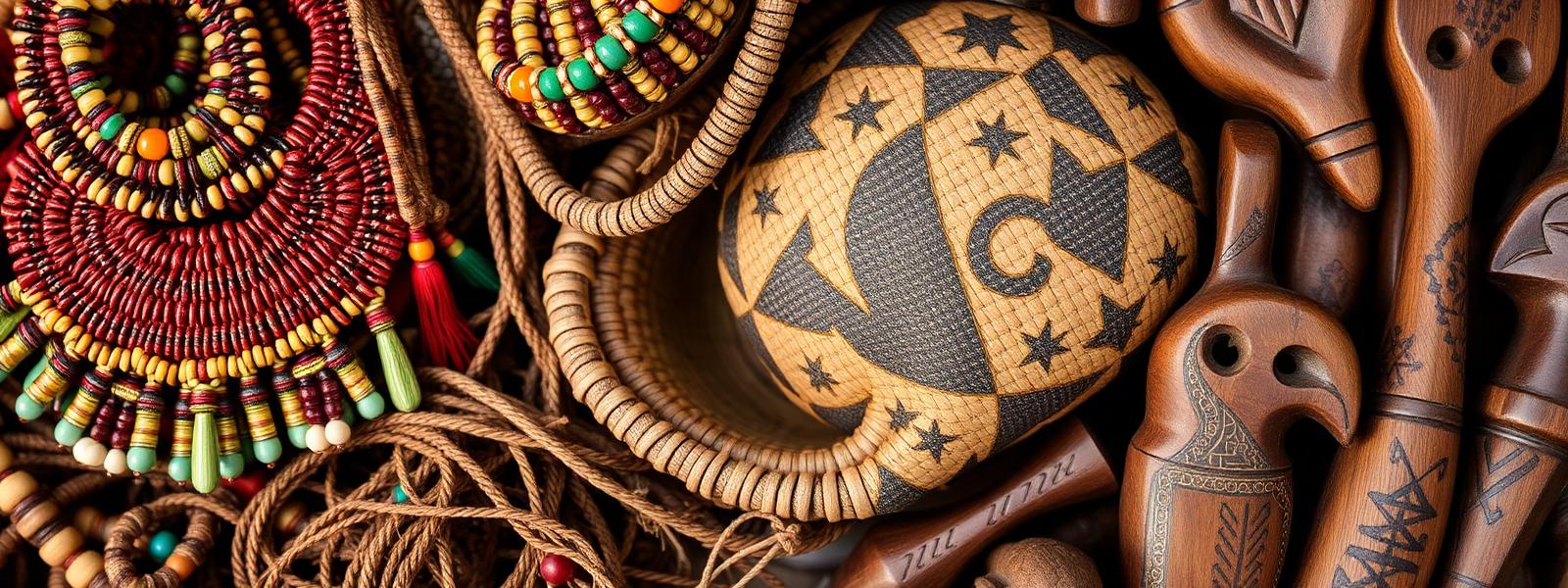
Made by hand, kept by heart
Image credit: Beadwork, baskets and carvings — My Heritage App editorial · AI-generated illustration · CC BY 4.0
Kaapse Klopse
New Year 'Tweede Nuwe Jaar' minstrel carnival — brass bands, satin suits and painted faces parade through Cape Town.
Ghoema music
Percussive Cape music born from enslaved communities; the drumbeat behind Cape jazz.
Rieldans
Fast-footed Khoi-San heritage dance revived by young Karoo communities.
Ceremonies
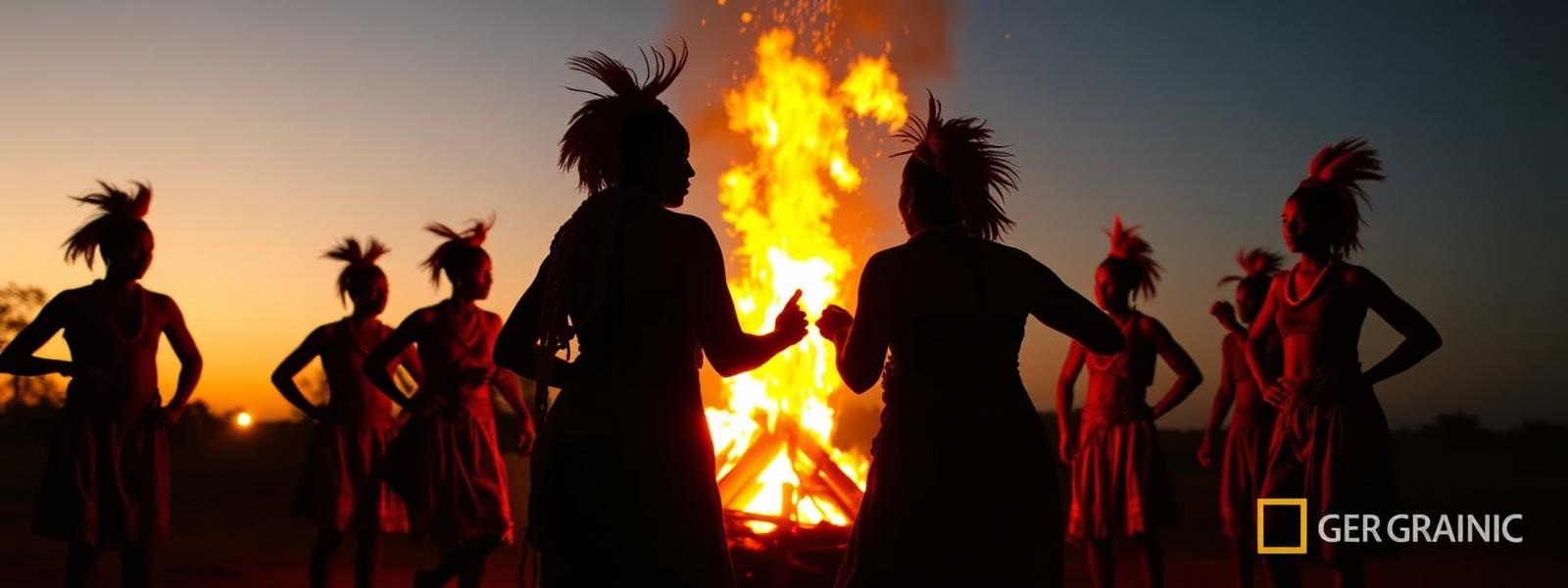
Rites and rituals
Image credit: Ceremonial dancers at dusk — My Heritage App editorial · AI-generated illustration · CC BY 4.0
Tweede Nuwe Jaar (2 Jan)
The Kaapse Klopse minstrel carnival takes over Cape Town — a tradition born from the one day of freedom enslaved people were once granted.
Malay wedding rituals
Cape Malay weddings blend Muslim tradition with distinctive Cape music and dress.
Music
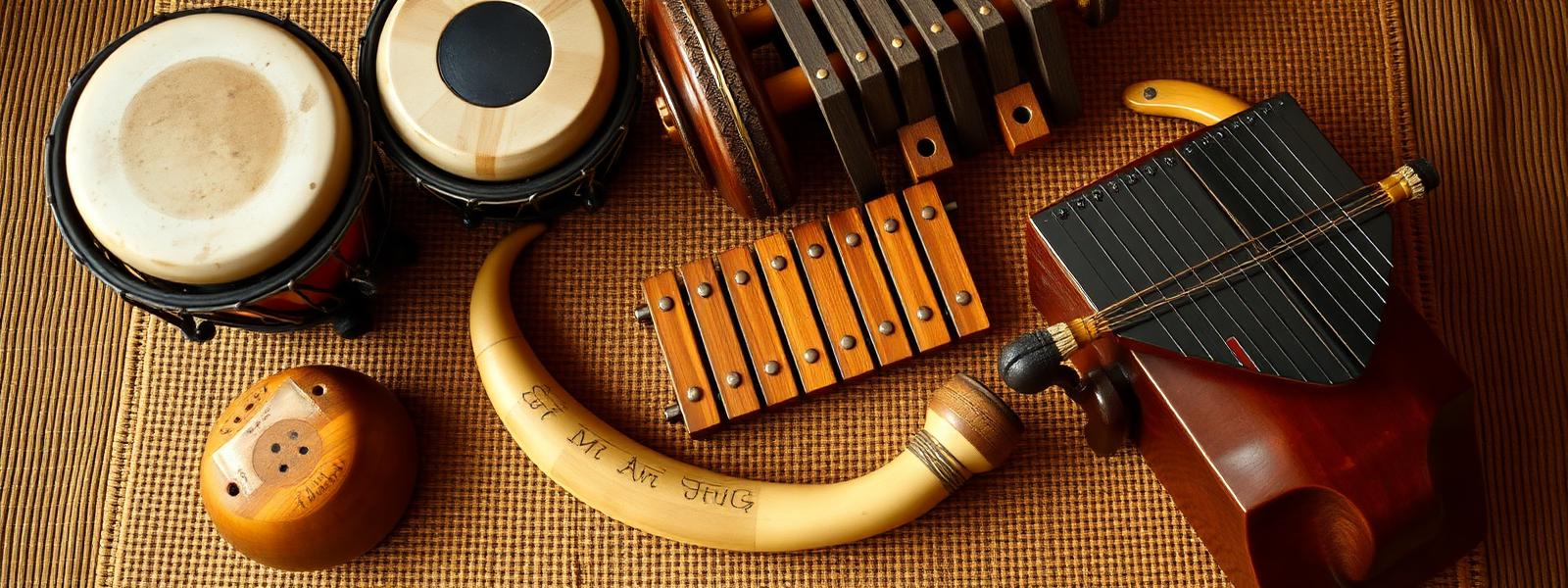
Sounds of the community
Image credit: Traditional instruments — My Heritage App editorial · AI-generated illustration · CC BY 4.0
Ghoema
Percussive Cape sound born of enslaved communities, now the backbone of Cape jazz.
Moppies
Comic Kaaps songs sung by minstrel troupes.

Etiquette
Visiting with respect
Image credit: A warm two-handed greeting — My Heritage App editorial · AI-generated illustration · CC BY 4.0
- Never use apartheid-era racial slurs — the community defines itself on its own terms.
- In Cape Malay homes, remove shoes at the door.
- 'Lekker' and 'boeta' are terms of warmth — use them freely and respectfully.
Gallery
Through the lens
Community-contributed photography coming soon. Have images to share? Get in touch.
Further reading
Go deeper
Quick recap
Test what you learned
Three quick questions. Earn 20 XP per correct answer and keep your daily streak alive.
Q1. Which greeting means "good evening (kaaps)" in Afrikaans (Kaaps), English?
Q2. Which dish is described as: "Aromatic sweet-and-savoury mince bake, spiced with turmeric and raisins."?
Q3. Which tradition is known as: "New Year 'Tweede Nuwe Jaar' minstrel carnival — brass bands, satin suits and painted faces parade through Cape Town."?
Did you know
Cape Town's Kaapse Klopse carnival — every 2 January — is the oldest street carnival in South Africa, dating back more than 150 years.
AI Heritage Assistant
Curious about Cape Coloured & Coloured Communities traditions?
Ask culturally-grounded questions and get warm, respectful answers.