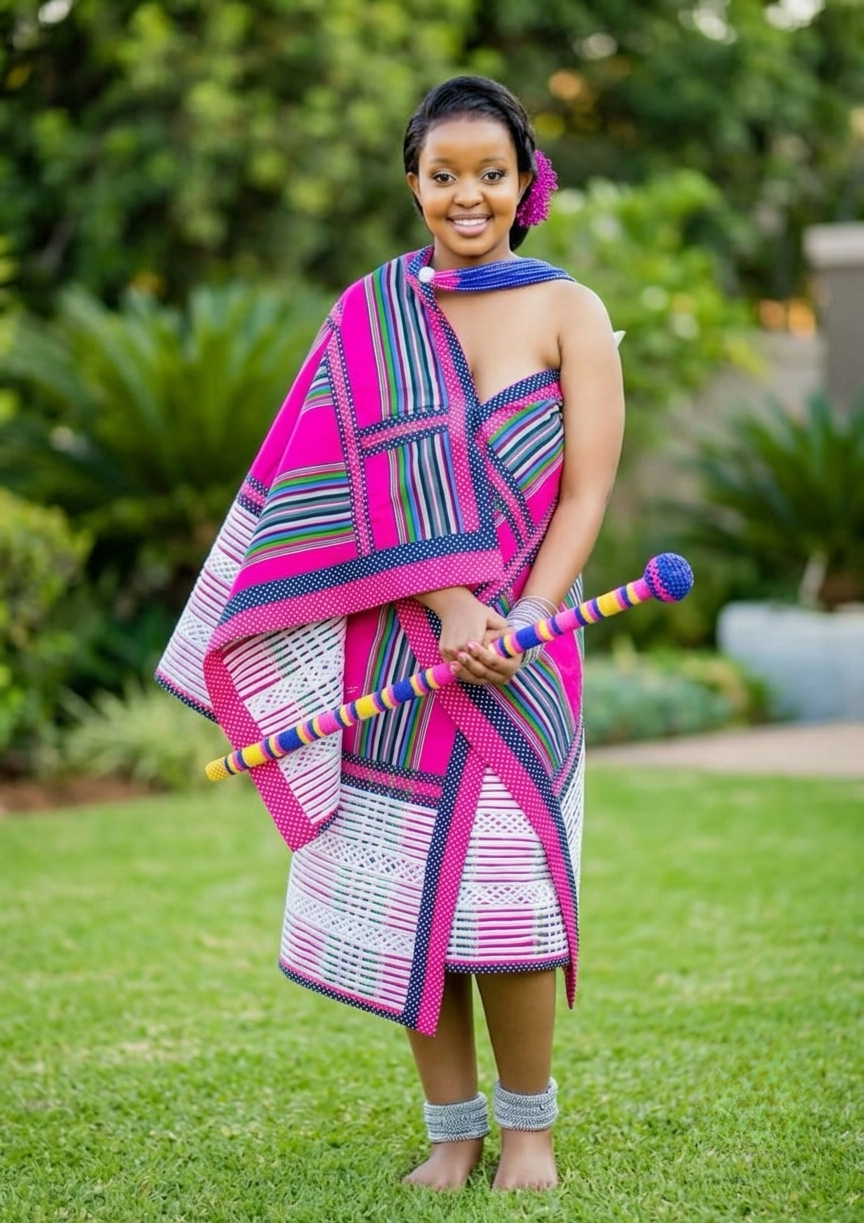
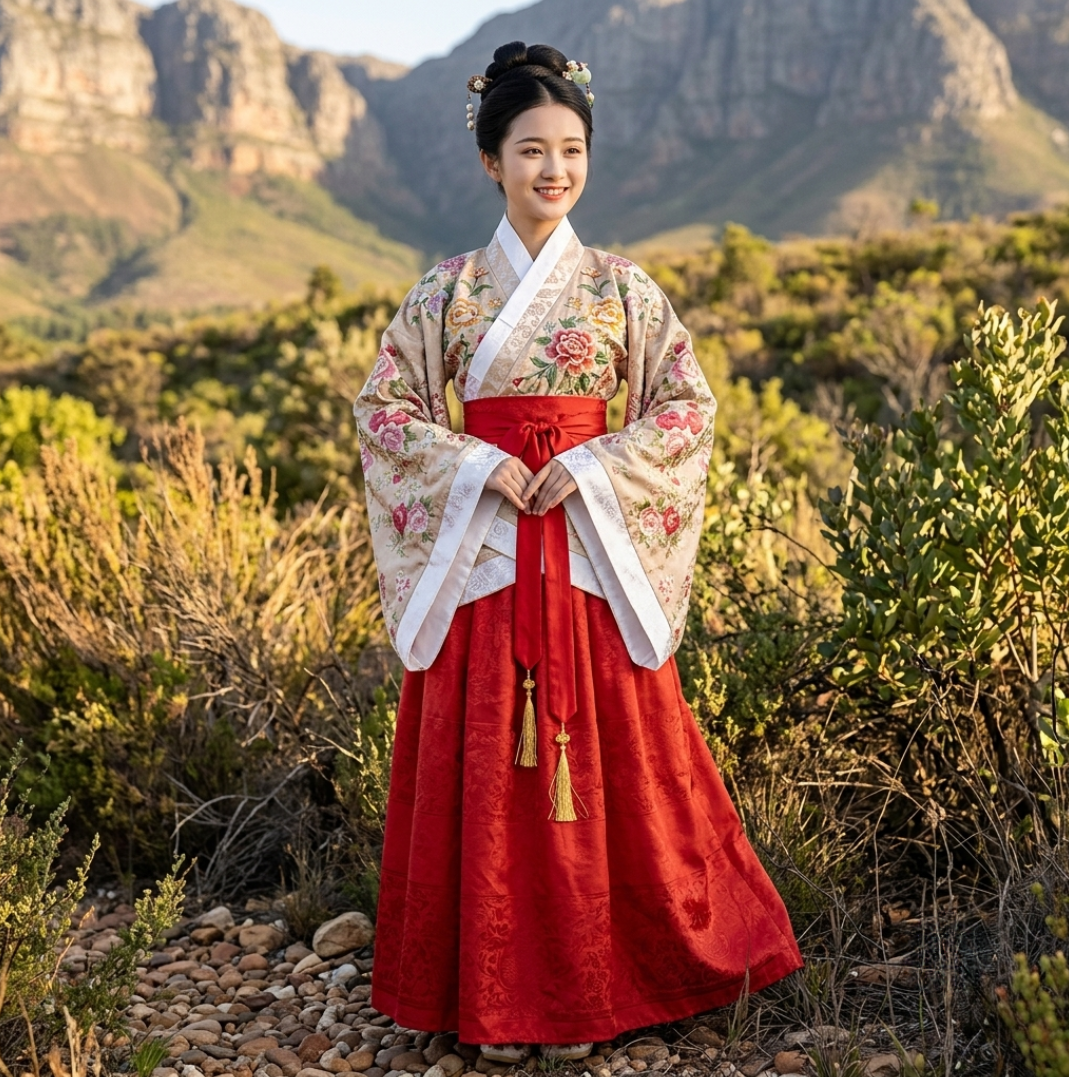
South African Chinese
A century of quiet contribution
Also known as
South African Chinese
Language
English, Mandarin, Cantonese, Hakka
Population
~300,000–400,000
Say hello
你好 (Nǐ hǎo)
Hello

History
A story worth telling
Image credit: Historical archive still life — My Heritage App editorial · AI-generated illustration · CC BY 4.0
Chinese communities have called South Africa home since the 17th century, with larger waves arriving as indentured Transvaal gold-mine workers in 1904 and Cantonese and Hakka merchants in the early 20th century.
Under apartheid, South African Chinese endured a peculiar limbo — classified sometimes as 'Coloured', sometimes as 'honorary white' — but built tight-knit communities in Johannesburg's First Chinatown (Commissioner Street) and, later, Cyrildene.
Since the 1990s a new wave of Mandarin-speaking migrants has grown the community significantly, especially in Gauteng and the Western Cape.

Timeline
Key moments
Image credit: Rock art to modern landscape — My Heritage App editorial · AI-generated illustration · CC BY 4.0
1660
First recorded Chinese arrivals at the Cape — Ming loyalists exiled by the Dutch.
1904
63,000 indentured Chinese labourers arrive to work the Witwatersrand gold mines.
1984
SA Chinese reclassified as 'honorary white' — a bitterly ambivalent status.
2008
Pretoria High Court recognises SA Chinese as 'previously disadvantaged' for BEE purposes.
Language
English, Mandarin, Cantonese, Hakka
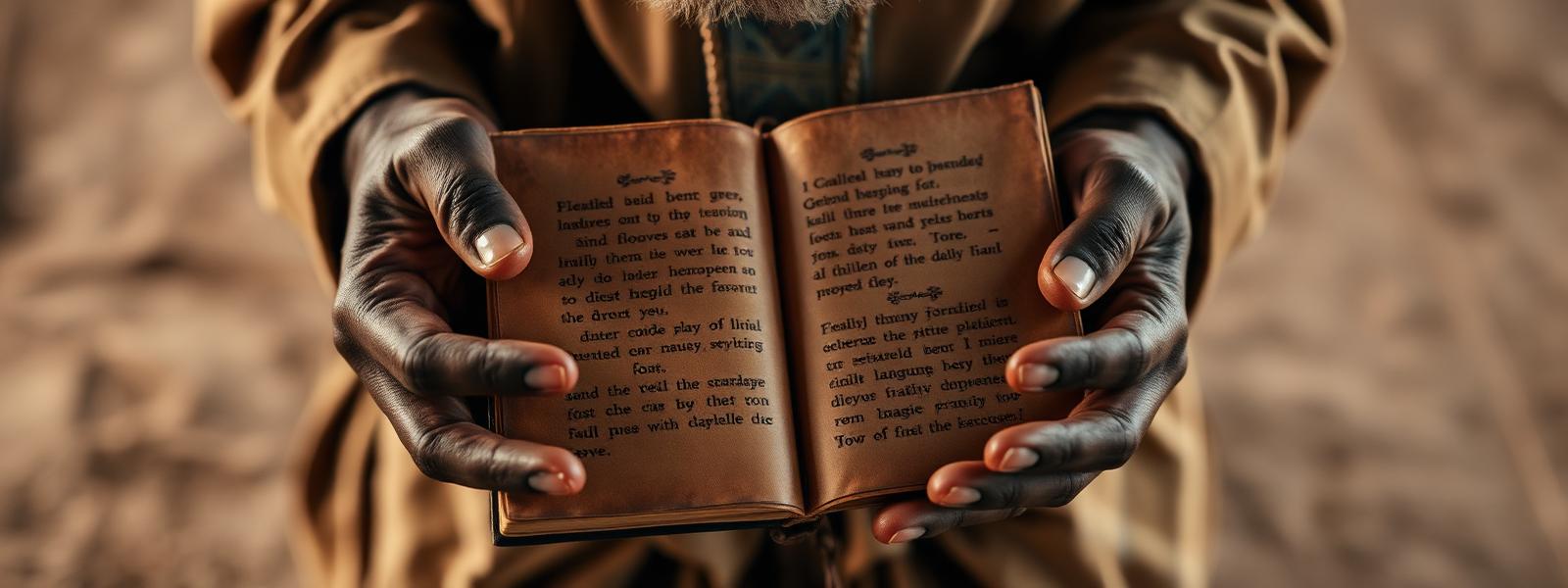
Image credit: Storyteller's hands and script — My Heritage App editorial · AI-generated illustration · CC BY 4.0
The older South African Chinese community speaks Cantonese and Hakka, while newer arrivals speak Mandarin. English is the shared bridge language across generations.
你好 Nǐ hǎo
Hello
谢谢 Xièxiè
Thank you
你好吗?Nǐ hǎo ma?
How are you?
再见 Zàijiàn
Goodbye
Notable figures
Voices that shaped a people
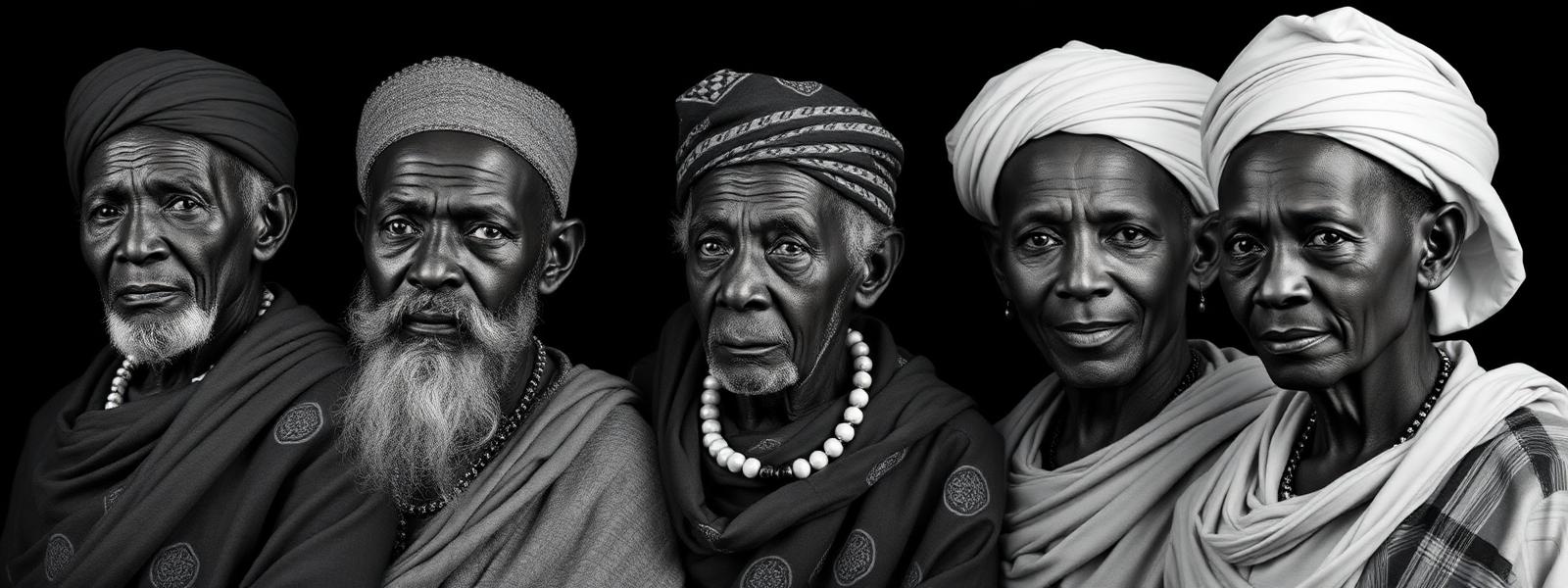
Image credit: Portrait montage of elders — My Heritage App editorial · AI-generated illustration · CC BY 4.0
Erwin Pon
Long-serving leader of the Chinese Association of South Africa
Ufrieda Ho
Journalist and author of 'Paper Sons and Daughters'
Karen Cheng
Award-winning South African Chinese chef and restaurateur
Food
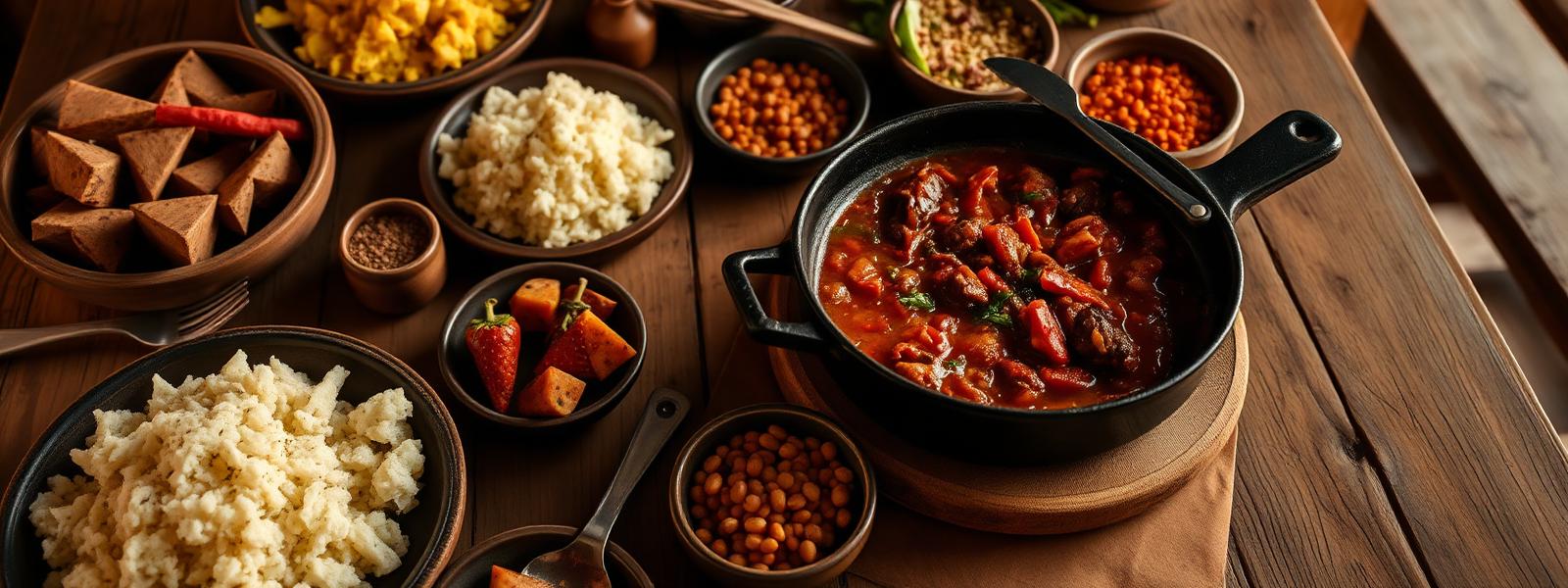
From the family pot
Image credit: South African family table — My Heritage App editorial · AI-generated illustration · CC BY 4.0
Dim sum
Weekend teahouse tradition of dumplings, buns and small plates in Cyrildene.
Cantonese roast
Char siu pork and crispy-skin roast duck hanging in Chinatown windows.
SA-Chinese fusion
Home-style stir-fries mixing local produce with soy, ginger and chilli.
Arts & Traditions
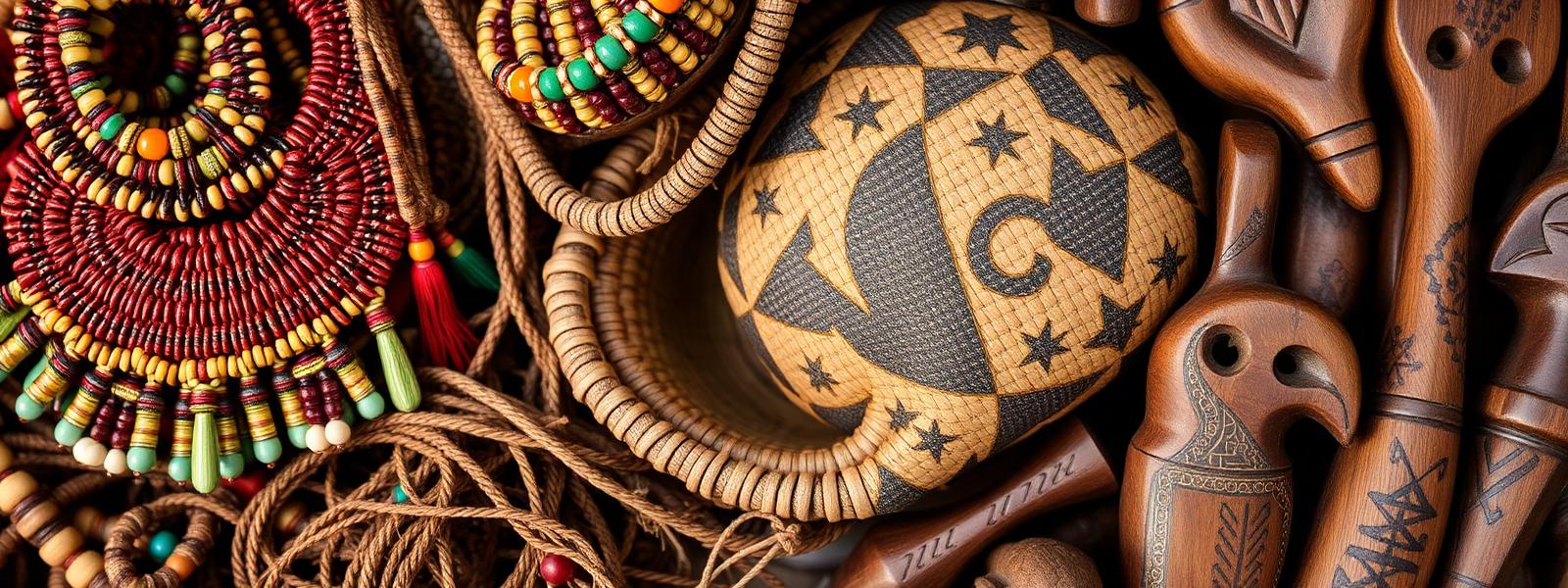
Made by hand, kept by heart
Image credit: Beadwork, baskets and carvings — My Heritage App editorial · AI-generated illustration · CC BY 4.0
Lion and dragon dance
Drum-driven street performances that bring luck at New Year and shop openings.
Chinese New Year
Cyrildene's spring festival fills Derrick Avenue with lanterns, firecrackers and food stalls.
Calligraphy & mahjong
Community centres preserve brush calligraphy, tai chi and mahjong across generations.

Ceremonies
Rites and rituals
Image credit: Ceremonial dancers at dusk — My Heritage App editorial · AI-generated illustration · CC BY 4.0
Chinese New Year
Cyrildene's Derrick Avenue fills with lion dances, lanterns and firecrackers.
Qingming Festival
Tomb-sweeping day when families honour ancestors at cemeteries.
Mid-Autumn Festival
Mooncakes, tea and lantern processions celebrating family reunion.
Music
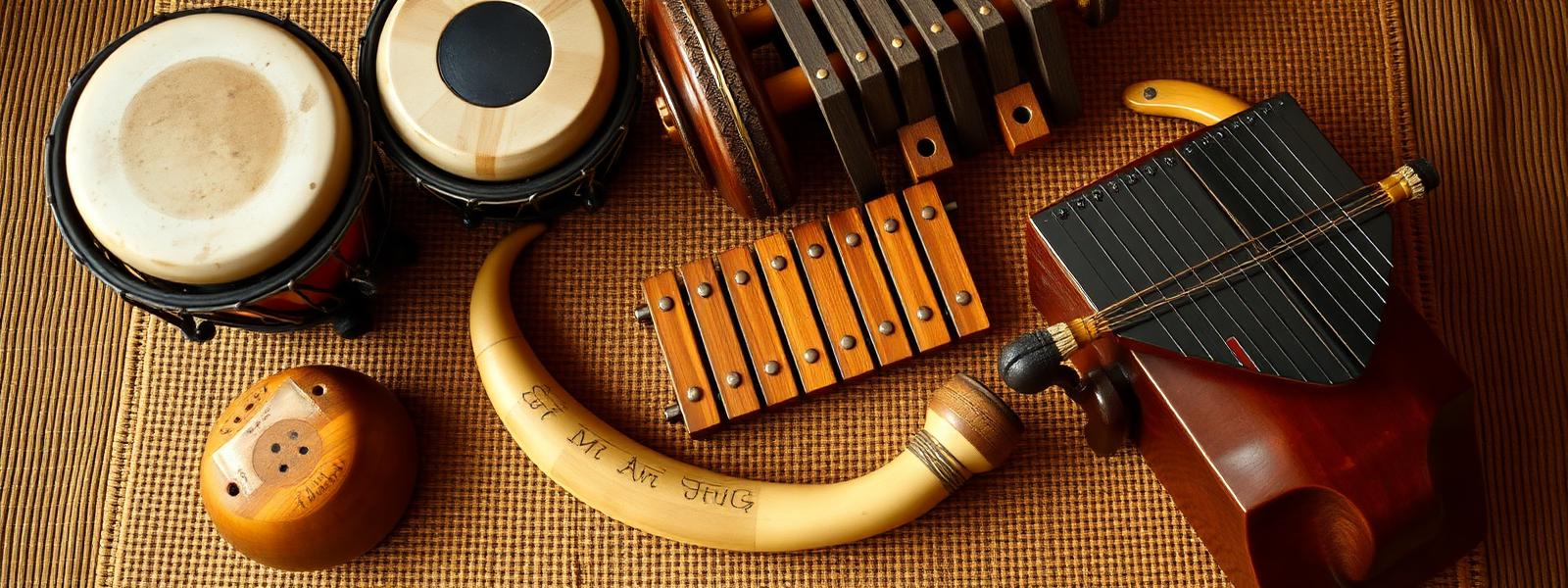
Sounds of the community
Image credit: Traditional instruments — My Heritage App editorial · AI-generated illustration · CC BY 4.0
Lion & dragon drums
Cymbals and taiko-style drums drive New Year lion dances through Chinatown.
Guzheng recitals
Community centres host performances of the 21-string Chinese zither.

Etiquette
Visiting with respect
Image credit: A warm two-handed greeting — My Heritage App editorial · AI-generated illustration · CC BY 4.0
- Give and receive business cards or gifts with both hands.
- At a shared meal, wait for the eldest to lift chopsticks before you do.
- Never stick chopsticks upright in a bowl of rice — it recalls funeral incense.
Gallery
Through the lens
Community-contributed photography coming soon. Have images to share? Get in touch.
Further reading
Go deeper
Quick recap
Test what you learned
Three quick questions. Earn 20 XP per correct answer and keep your daily streak alive.
Q1. Which greeting means "hello" in English, Mandarin, Cantonese, Hakka?
Q2. Which dish is described as: "Weekend teahouse tradition of dumplings, buns and small plates in Cyrildene."?
Q3. Which tradition is known as: "Drum-driven street performances that bring luck at New Year and shop openings."?
Did you know
In 2008 the Pretoria High Court ruled that South African Chinese who lived under apartheid classification are recognised as 'previously disadvantaged' — a landmark case for the community.
AI Heritage Assistant
Curious about South African Chinese traditions?
Ask culturally-grounded questions and get warm, respectful answers.